Planning Your Bali Days Around Sunrise and Sunset
Plan your Bali itinerary around the island’s magical sunrises and sunsets. Discover best viewpoints, daily schedules, travel tips, and practical advice to make the most of golden hours across beaches, cliffs and temples.
By TravMe Holidays travel team · · Updated · 6 min read
Bali is a place where the sun choreographs the day — from gentle dawn light over rice terraces to fiery sunsets tumbling into the Indian Ocean. Planning your Bali days around sunrise and sunset lets you experience the island’s most memorable moments while avoiding crowds and heat. This guide lays out the best spots, realistic day plans, transport advice and essential tips so you can savour Bali’s golden hours with ease.
Why plan around sunrise and sunset?
Sunrise and sunset are more than pretty skies in Bali — they shape the island’s ambience. Many temples, terraces and coastal cliffs glow with soft light at dawn or dramatic hues at dusk. There’s also practical benefit: cooler temperatures for outdoor activities, fewer tourists at prime spots, and ideal lighting for photography. For travellers seeking both tranquillity and great visuals, timing is everything.
Best sunrise spots and what to expect
Mount Batur
Mount Batur is Bali’s classic sunrise trek. The early start (typically 2–3am) rewards you with a spectacular panorama of the caldera, Lake Batur and neighbouring volcanoes as the sun rises. It’s an active experience — expect a 1.5–2 hour climb from the base with tea breaks and a guide recommended for safety and navigation.
Tegalalang Rice Terraces
Tegalalang’s stepped paddies near Ubud look ethereal at sunrise, when mist curls between the terraces and mornings are cool. Arrive early to enjoy the quiet, practise mindful walking between the fields, and capture diffused light ideal for landscape shots.
Sanur Beach
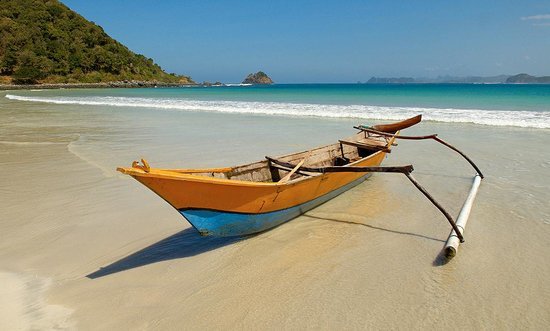
Sanur is one of Bali’s best sunrise beaches — calm water, long promenades and local fishermen launching traditional jukung boats make for serene compositions. It’s a gentle, family-friendly option if you prefer an easier start than climbing a volcano.
Best practices for sunrise outings
- Book a local guide for treks and early departures; they know safe routes and will handle permits.
- Carry layered clothing — dawn can be surprisingly chilly, especially at higher elevations.
- Bring a headlamp, water, snacks, and sturdy footwear for uneven terrain.
- Respect privacy and property when walking through terraces — stick to designated paths.
Top sunset spots and why they work
Uluwatu Temple and clifftop beaches
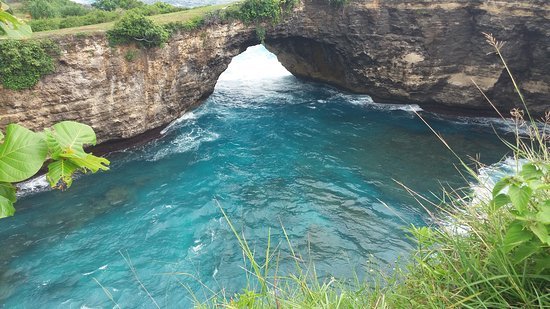
Perched on limestone cliffs, Uluwatu Temple commands sweeping ocean views and dramatic sunsets. Combine the vista with a Kecak dance performance for a cultural coda. Arrive early for a good vantage point and remember it can get breezy on the cliffs.
Tanah Lot
Tanah Lot is iconic for sunset photography: a sea temple sitting on a rock formation offshore. It’s touristy but manageable if you time your arrival. Consider late afternoon so you can wander the coastal paths and find a quieter angle before the light peaks.
Seminyak Beach and Double Six
For a lively sunset with a social scene, head to Seminyak or Double Six. Sunset lounges and beach clubs populate the stretch, offering cocktails and music as the sky transforms. If you prefer calm, walk further along the shore to avoid the busiest sections.
Jimbaran Bay
Jimbaran combines a spectacular sunset with seafood dinners on the sand. Many local cafes set tables on the beach so you can dine with the horizon as your backdrop — book ahead if you’re arriving for peak hours.
Sample day plans: balancing sunrise and sunset
Plan A — Sunrise at Mount Batur, Ubud afternoon, Uluwatu sunset
- 02:00 — Depart from your hotel towards Mount Batur (book a guided trek).
- 04:30 — Reach the summit for sunrise; enjoy tea and light breakfast on the crater rim.
- 08:00 — Descend and return to your hotel for rest and shower.
- 12:00 — Late lunch in Ubud; explore the Monkey Forest and local markets.
- 16:30 — Head to Uluwatu Temple; find a clifftop spot for sunset and optionally watch the Kecak dance.
Plan B — Sanur sunrise, east Bali day trip, Seminyak sunset
- 05:30 — Walk along Sanur Beach for a calm sunrise and coffee on the promenade.
- 08:00 — Drive eastwards for a day trip to rice terraces, waterfalls or Tirta Empul temple.
- 15:00 — Return to the coast; relax before heading to Seminyak for an evening by the beach clubs.
- 18:00 — Sunset cocktails at a beachfront bar, followed by dinner.
Photography and gear tips for golden hour
- Golden hour lasts longer near the horizon; arrive early to compose and scout angles.
- Use a tripod for long-exposure shots of the sea or low-light temple scenes.
- Carry neutral density and polarising filters if you shoot landscapes to control reflections and exposure.
- For sunrise on volcanoes, pack spare batteries and a portable charger — cold drains power faster.
- Respect local worshippers and avoid using flash during temple ceremonies.
Practical travel logistics
Transport and timing
Arrange private transport for early starts and late returns — rideshare services are common in tourist areas but may be limited at 3am. For trekking tours, hotels often provide pick-up. Factor in Bali’s traffic: short distances can take longer during peak hours.
Where to stay
Choose your base based on the sights you prioritise. Ubud is a good hub for central Bali and breakfast treks; Seminyak, Canggu and Jimbaran suit beach lovers and sunset chasers; Uluwatu and Pecatu are best for clifftop views.
Weather and best time to visit
Bali’s dry season (April to October) typically offers clearer skies and more predictable sunrises and sunsets. Monsoon months can still produce dramatic skies but expect rain and occasional haze. Check local forecasts and sunrise/sunset times each day — they shift a few minutes daily.
Cultural and safety considerations
Bali is deeply spiritual — many sunrise and sunset spots are temples or community lands. Dress conservatively at religious sites: a sarong and sash are often required and usually available for rent. Do not climb temple walls, touch altars, or pose disrespectfully during ceremonies.
Tip: If you plan to photograph worshippers, ask permission. A polite approach elevates your experience and honours the moment.
For safety, avoid cliff edges during strong winds, follow guide instructions on treks, and stay hydrated. Sunscreen and a lightweight hat are essential during the day. If you’re driving a scooter, wear a helmet and be cautious — roads may be narrow and busy.
Booking and cost-saving tips
- Book guided treks and Kecak performances in advance during high season to secure slots.
- Consider combined tours (sunrise trek plus hot springs) for convenience and value.
- Arrive early at popular sites to avoid crowd surcharges from local parking attendants and to capture quieter photos.
- Support local cafes and small vendors for sunrise breakfasts — it’s a lovely way to start the day and benefits the community.
Conclusion
Planning your Bali days around sunrise and sunset adds rhythm and meaning to travel days. Whether you choose the silence of a volcanic dawn, the rice fields’ gentle light, or a dramatic clifftop dusk, timing your visits enhances both the visual and cultural experience. With a little planning, respectful behaviour and the right gear, Bali’s golden hours will become the highlights of your trip.