Peak Season in Bali: How to Plan Around the Crowds
Discover practical tips to enjoy Bali during peak season—when to go, where to stay, how to avoid crowds, and smart itineraries to make the most of your trip.
By TravMe Holidays travel team · · Updated · 7 min read
Bali is a perennial favourite for travellers from India and around the world. But during peak season the island buzzes with tourists, resort events and theatre of colour that can overwhelm first-time visitors. With a little planning, however, you can enjoy Bali’s beaches, temples and rice terraces without feeling like you’re part of a crowd—sometimes by changing the time you visit and mostly by adjusting how you travel.
When Is Bali’s Peak Season?
Bali’s busiest periods revolve around global holidays, Indonesian school breaks and favourable weather. Traditionally, the highest influx of visitors is during July and August, and around late December to early January when many celebrate Christmas and New Year’s. You’ll also see spikes during Easter, long weekends in key tourist markets and local ceremonial weeks.
Weather plays a role too. The dry season (roughly April to October) offers sunny days and lower humidity, which draws more beach lovers and outdoor adventure seekers. The wet season (November to March) is quieter in many inland areas, though southern beaches and surf breaks still attract visitors.
Why Planning Matters
Peak season means higher demand for flights, faster hotel sell-outs, longer waits at popular attractions and a busier nightlife scene. But planning can turn these apparent disadvantages into advantages: booking ahead secures better accommodation choices, early reservations for activities avoid disappointment, and smart timing reduces wait times for temples, viewpoints and restaurants.
Smart Timing: Beat the Rush Without Missing the Vibes
Travel slightly off the peak
If you can, plan your Bali trip for the shoulder months—late April to early June or September to October. You’ll generally enjoy good weather with fewer tourists and slightly better prices than July–August or December holidays.
Time your days
Even during peak season, many places are calm at certain times: sunrise at temples and viewpoints, early mornings on beaches, and late afternoons after the midday crowd disperses. Start temple visits at first light and reserve late-night dining for quieter streets.
Consider weekday travel
Many popular spots in Bali become noticeably quieter on weekdays. If possible, arrange your must-see attractions on weekdays and use weekends for local experiences or relaxed beach days when crowds are higher.
Where to Stay: Avoid the Densest Hubs
Choosing the right base transforms your Bali experience. Some areas are lively and crowded by nature; others provide a quieter, more authentic experience even at the height of season.
Busy hubs
- Seminyak and Kuta – great for nightlife, shopping and dining, but often very crowded during peak season.
- Canggu – trendy cafes, co-working spots and surf culture; expect queues at popular eateries and beach breaks.
Quieter alternatives
- Sanur – calmer beaches, family-friendly promenades and a more relaxed pace.
- Uluwatu and Bukit Peninsula – cliffside views and less commercialised beaches; ideal for sunset lovers and surfers.
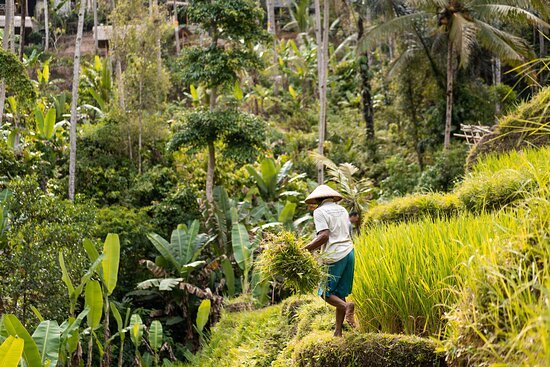
- Ubud – cultural heartland with rice terraces and wellness retreats; quieter early mornings and evenings.
- East Bali (Amed, Candidasa) – for diving, black-sand beaches and a peaceful village vibe.
Booking Strategy: Flights, Hotels and Transfers
Secure flights and accommodation well in advance—this is the easiest way to avoid premium rates and limited availability. Flexible tickets and refundable hotel bookings give you breathing room if plans change.
Accommodation tips
- Consider villas or boutique stays that are slightly inland for more space and privacy.
- Look for hotels offering early check-in or late check-out policies if you travel on odd hours—this helps you rest between daytime activities during peak crowd days.
- Read recent reviews to confirm how a property handles busy periods and crowd control.
Transfers and local transport
Pre-book airport transfers and day trips for the first few days. Taxis and ride-hailing services are plentiful but may surge during holidays. For island-hopping or remote destinations, book fast boats or private charters in advance.
Designing an Itinerary That Minimises Crowds
Avoid cramming every major landmark into consecutive days. Instead, mix high-density attractions with quieter experiences to balance the tempo.
Sample 7-day plan
- Day 1: Arrive, settle into a quieter base like Sanur or Uluwatu and explore the local neighbourhood in the evening.
- Day 2: Sunrise visit to Tanah Lot or Uluwatu Temple; afternoon beach time at a less crowded cove.
- Day 3: Cultural day in Ubud—start at the Monkey Forest early, then visit rice terraces in the afternoon.
- Day 4: Day trip to east Bali for snorkelling/diving or a mountaintop sunrise trek if you prefer minimal crowds.
- Day 5: Explore artisan villages and take a wellness class or spa day, avoiding midday tourist traffic.
- Day 6: Island hopping to Nusa Lembongan or Penida—book a private boat for more control over timing.
- Day 7: Leisurely beach morning, last-minute shopping and depart.
Activities that Work Well in Peak Season
- Early-morning temple visits and sunrise climbs.
- Private surf lessons or surfing at less crowded breaks on the Bukit Peninsula.
- Wellness retreats, yoga and spa sessions which are often quieter even during peak season.
- Guided nature walks, cycling through rice fields early in the day and private boat charters to nearby islands.
- Culinary experiences and cooking classes—book small, local sessions to avoid large tourist groups.
Dining and Nightlife Tips
Popular cafes and beach clubs get full quickly. Reserve tables for sunset evenings and ask your concierge for quieter alternatives. Explore local warungs (family-run eateries) for authentic flavours and smaller crowds. If you seek lively nightlife, plan such evenings on weekdays when queue times can be shorter.
Family, Solo and Budget Travel Considerations
Families
Book family-friendly resorts with pool areas and kid activities in advance. Choose bases close to medical facilities and grocery stores, and plan shorter daily itineraries so children aren’t overwhelmed.
Solo travellers
Opt for guesthouses or hostels with strong reviews on safety. Join small group tours for social experiences without the buzz of large crowds.
Budget travellers
Stay in homestays or inland guesthouses and use public transport or scooter rentals. Shoulder months are best for finding deals without sacrificing weather or experience.
Practical Tips and Cultural Etiquette
- Respect temple dress codes: sarongs and modest clothing are required at many sacred sites—carry a lightweight sarong.
- Be patient and polite—peak season can test nerves, and a calm approach often yields better service.
- Carry cash for small warungs and market purchases; not all vendors accept cards.
- Use reef-safe sunscreen to protect marine life during snorkelling and diving trips.
Pro tip: If you want the dramatic temple photos without the crowd, visit just after sunrise and stay for an hour or two—many groups arrive later in the morning.
Environmental and Responsible Travel
Peak season increases pressure on Bali’s infrastructure and natural sites. Travel responsibly by avoiding single-use plastics, using refillable water bottles, supporting local businesses, and following marked paths in natural areas. Choose tour operators committed to sustainable practices—this helps preserve the island’s beauty for future visitors.
What to Pack for Peak-Season Travel
- Light, breathable clothing for daytime and a light layer for coastal evenings.
- Sarong or wrap for temple visits and beach cover-ups.
- Comfortable walking shoes or sandals, water bottle, insect repellent and reef-safe sunscreen.
- Portable charger and photocopies of important documents—busy days mean more phone use and opportunities to misplace items.
When to Seek Help from a Local Expert
TravMe Holidays can help with complex itineraries, private transport during high season, exclusive villa bookings and sustainable travel options. If you’re travelling with a large group, celebrating a special occasion, or need customised experiences that avoid crowds, a travel expert will save you time and stress.
Peak season in Bali is lively, colourful and full of experiences—but it need not be overwhelming. With early planning, flexible timing, thoughtful accommodation choices and a few local insights, you can enjoy the island’s highlights while steering clear of the worst of the crowds. The result is a more relaxed, memorable holiday that balances Bali’s famous energy with quieter moments of discovery.
Conclusion: Plan ahead, travel at smart times of day, choose quieter bases and mix busy days with calm ones. Do this and Bali at peak season becomes an island of possibilities rather than a line to stand in.