Packing Tips for Senior Citizens Travelling to Bhutan
Practical packing advice for senior travellers heading to Bhutan: layers for altitude, medical and mobility essentials, documents, cultural considerations and a clear packing checklist to travel comfortably and confidently.
By TravMe Holidays travel team · · Updated · 6 min read
Bhutan is a gentle, spiritual country of monasteries, mountain passes and slow living — a delightful destination for senior travellers. Careful packing can make the journey smoother: think layers for changing altitude, reliable footwear for short walks, medicines, important documents and a few cultural niceties. This guide focuses on pragmatic, experience-based packing tips tailored to older travellers visiting Bhutan.
Know the basics before you pack
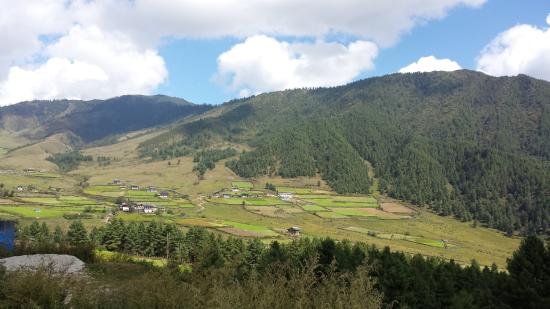
Bhutan’s terrain varies rapidly — valleys are mild while passes can be cold, even in summer. Travel is commonly by road between towns and short walks or temple visits fill each day. Many senior travellers enjoy lower-impact itineraries, but regardless of pace, planning for variable weather, mobility needs and health contingencies is essential.
Essential documents and travel items
Keep documents organised and accessible; losing time to search bags is tiring and stressful.
- Passport and Bhutan visa/permit: Carry your passport and the Bhutanese visa/permit confirmation (usually arranged by your tour operator) in a secure travel wallet.
- Travel insurance: A policy that covers medical evacuation and altitude-related issues is highly recommended. Carry a printed copy and digital scans.
- Medical documentation: Bring a concise medical summary, list of medications with generic names and dosages, and contact details for your physician. If on anticoagulants or insulin, include specific instructions.
- Emergency contacts and local tour operator details: Keep both physical and digital copies shared with a family member.
- Copies and backups: Scan important documents and email them to yourself or store them in a secure cloud folder.
Clothing: layer smartly for altitude and temples
Layering is the single most useful strategy in Bhutan. Temperatures can change drastically over a few hours and modesty is appreciated at religious sites.
- Base layers: Lightweight, breathable shirts (cotton or merino) for daytime comfort.
- Insulating mid-layers: A warm fleece or light down jacket for mornings and evenings at higher elevations.
- Outer shell: A lightweight, waterproof, windproof jacket with a hood is invaluable against rain and wind.
- Lower body: Comfortable, quick-dry trousers and one pair of warmer trousers for cold evenings. Consider zip-off pants if you prefer versatility.
- Footwear: Sturdy walking shoes with good grip and ankle support for cobbled paths and temple approaches; a comfortable pair of slip-on shoes for evenings.
- Temple etiquette: Dresses or tops that cover shoulders and knees; a lightweight scarf or shawl can be used for modesty and as warmth.
- Accessories: Warm hat, sun hat, gloves and good quality sunglasses. A buff or neck gaiter helps with dust and cold.
Medicines, health and mobility aids
Healthcare access in Bhutan is improving but specialised services are concentrated in Thimphu and larger towns. Pack thoughtfully to avoid unnecessary stress.
- Regular medications: Bring at least double the supply you will need for the trip, in original labelled containers. Carry medications in hand luggage.
- First aid kit: Include basic items: band-aids, antiseptic wipes, blister plasters, pain relief, antacids, antidiarrheal tablets and rehydration salts.
- Altitude precautions: Although most popular Bhutanese circuits stay below extreme altitudes, some passes are high. Talk to your doctor about prophylaxis for altitude sickness if you will cross high passes; pack relevant meds if prescribed.
- Mobility aids: Lightweight, foldable walking sticks or trekking poles can greatly reduce fatigue. If you use a cane or a portable rollator, ensure it is sturdy and airline-friendly.
- Hearing and vision: Bring spare batteries for hearing aids and a backup pair of glasses/contact lenses with solution and case.
Comfort items for long drives and rest
Road travel between Bhutan’s towns can be bumpy. Small comforts make a big difference.
- Travel pillow and blanket: A neck pillow and compact travel blanket for long drives help seniors rest comfortably.
- Seat cushion: A lightweight cushion can ease pressure on long journeys.
- Compression socks: Helpful to reduce swelling and improve circulation on bus journeys.
- Reusable water bottle: Stay hydrated; use boiled or bottled water recommended by your guide.
Electronics and practical gadgets
Keep devices simple, charged and accessible for safety and convenience.
- Mobile phone and charger: A local SIM may be helpful; carry chargers and a power bank.
- Camera: A compact camera or smartphone for photos. A wrist strap helps prevent accidental drops.
- Adapters: Bhutan uses Type D, F and G sockets in many places — a universal adapter is useful. Check with your tour operator for specifics.
- Flashlight or headlamp: Handy for evening walks and power cuts.
Money, shopping and practicalities
Bhutan accepts cards in larger hotels and shops but cash is still useful, especially in smaller towns and markets.
- Currency: Carry Bhutanese Ngultrum or Indian Rupees for small purchases; ATMs are in main towns only.
- Shopping bags: A small foldable tote for purchases and a dry bag for electronics during monsoon season.
- Gifts and cultural respect: If visiting villages or monasteries, small useful gifts or modest donations are appreciated; avoid alcohol or items that might offend local customs.
Packing light vs preparedness: suggested luggage strategy
Choose a balance between ease of movement and having what you need. Many seniors prefer one medium-sized checked bag and a carry-on backpack containing essentials.
- Carry-on: Important documents, medications, a change of clothes, valuables, electronics, and comfort items for the journey.
- Checked luggage: Clothing, footwear, additional toiletries and extras like binoculars or guidebooks. Use packing cubes to stay organised.
- Security and ease: Luggage with wheels and a lightweight design reduces strain. Use luggage tags and a small lock for peace of mind.
Tip: Pack a small “day bag” with a water bottle, medication, light jacket and sun protection for daily excursions — you’ll appreciate having essentials within easy reach.
Seasonal considerations
Bhutan’s climate varies: spring and autumn are popular for mild weather and festivals; winter is cold in higher areas; monsoon brings rain and mud.
- Spring (Mar–May): Mild days and cool nights — light layers and a rain shell.
- Summer/Monsoon (Jun–Aug): Rainproof clothing, waterproof bags and quick-dry fabrics are priorities.
- Autumn (Sep–Nov): Crisp days and chilly nights — warm mid-layer and a good jacket.
- Winter (Dec–Feb): Insulation and thermal layers for higher valleys, plus sun protection for bright, cold days.
Cultural reminders and etiquette
Bhutan is deeply rooted in Buddhist traditions; respectful behaviour and modest dressing enhance the travel experience.
- Remove hats and shoes when entering temples unless signs indicate otherwise.
- Avoid pointing: Avoid pointing feet at altars or people; sit cross-legged or with feet tucked away.
- Photographs: Ask permission before photographing people or certain religious ceremonies.
Packing checklist (quick)
- Passport, visa/permit, insurance and medical summary
- All regular medications + copy of prescriptions
- Layered clothing: base, mid, outer shell
- Sturdy walking shoes + slip-ons
- Travel pillow, cushion and compression socks
- Universal adapter, phone, power bank and chargers
- Small first-aid kit, water purification or bottled water plan
- Foldable day bag, sunglasses, hat and sunscreen
- Copies of emergency contacts and tour operator details
With thoughtful packing you can focus on Bhutan’s calm landscapes and warm hospitality rather than logistics. Prioritise comfort, safety and respect for local customs, and plan for a few contingencies — then relax and enjoy the unique experience of Bhutanese culture and scenery.
Final note: Discuss any specific health or mobility concerns with your physician and your travel consultant when planning the itinerary. Many tour operators tailor trips for seniors, offering gentler walks, shorter travel days and extra rest stops to ensure a memorable, comfortable journey.