Bhutan Travel Tips for First-Timers from India
Practical, friendly travel tips for Indians visiting Bhutan for the first time—permits, transport, culture, packing, food, health and money matters to plan a smooth Himalayan trip.
By TravMe Holidays travel team · · 7 min read
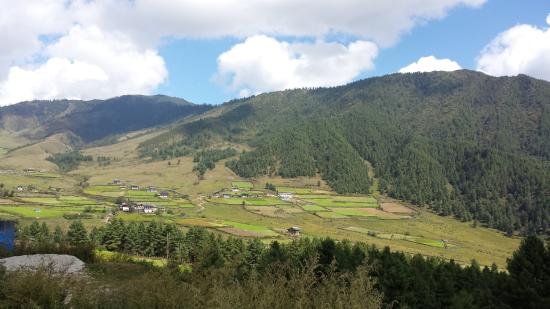
Bhutan is a peaceful, green kingdom that feels refreshingly different from crowded tourist circuits. For first-time travellers from India, the journey is easy but has a few formalities and local customs to keep in mind. This guide covers everything from entry permits and transport to cultural etiquette, packing lists and health precautions so your Bhutan trip is smooth, respectful and memorable.
Before you go: paperwork and permits
Indian nationals do not require a visa to enter Bhutan, but they must obtain an entry permit. Carrying a valid photo identity document is essential — a passport is the safest option. Many Indians have historically used an Election Commission photo ID (voter ID), but rules can change; therefore, check current requirements with the nearest Royal Bhutanese Embassy or official immigration website before travel.
How to obtain your permit:
- By land: If you cross at Phuentsholing, you must obtain an entry permit from the Immigration Office on arrival. You will need passport-sized photographs and photo ID for each traveller.
- By air: If you fly into Paro, Immigration at Paro will process your permit on arrival. Carry the required ID and photographs.
Notes on restricted areas: Some border or high-security zones require additional permits (called “special area permits”). If you plan to visit places like Gasa, Laya, or certain wildlife reserves, apply for these permits in advance through immigration offices or your travel agent.
Getting there from India
By air
Direct flights from several Indian cities operate to Paro (Paro is the only international airport with regular services). Paro’s dramatic approach between peaks is unforgettable. From Paro, Thimphu is about a one-hour drive.
By road
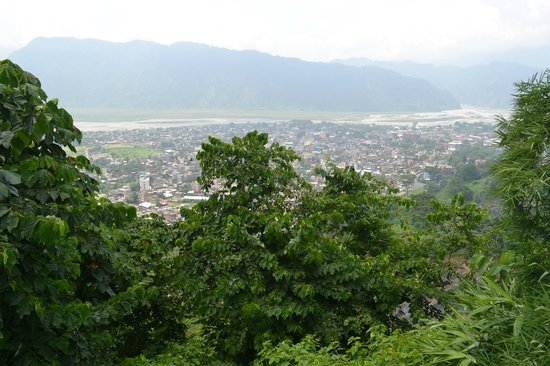
The most common land entry is via Phuentsholing on the southern border. Popular overland routes from Kolkata, Siliguri or Guwahati connect to Phuentsholing by road or rail to the border town of Jaigaon. From Phuentsholing, you can travel onwards by bus, taxi or shared jeep.
Keep in mind that road travel within Bhutan can be slow due to curvy mountain roads and frequent roadworks; distances measured in kilometres can take many hours to cover. Plan realistic travel times and allow buffer days.
Money, currency and spending
The Bhutanese currency is the ngultrum (BTN) and it is pegged to the Indian rupee, which is widely accepted. Carry sufficient INR cash in small denominations for shops in smaller towns — BTN and INR are both accepted at many places, but change may be returned in BTN.
- ATMs: Available in Thimphu and some district centres, but don’t rely on them in remote areas.
- Credit cards: Accepted at higher-end hotels, some restaurants and shops in major towns, but rural areas are mostly cash-only.
- Currency notes: Older or torn notes may be refused. Ensure you carry clean notes.
Health, altitude and safety
Altitude: Paro is about 2,200 metres and Thimphu roughly 2,300–2,400 metres. Most visitors adapt quickly, but allow a day to acclimatise if you plan strenuous treks or drives to higher altitudes such as Punakha or Gasa.
- Hydration: Drink plenty of water, avoid excess alcohol on the first day and take it easy for initial hikes.
- Altitude sickness: Know symptoms—headache, nausea, dizziness. Carry basic medicines and consider consulting your doctor for preventive medication if you have a history of altitude problems.
- Vaccinations: Ensure routine vaccinations are up to date. Consult a travel health clinic for personalised advice.
Medical facilities in Thimphu are adequate for common ailments; remote areas have limited services. Travel insurance with medical evacuation coverage is strongly recommended.
When to visit: seasons and weather
Best seasons: Spring (March–May) and autumn (September–November) are ideal — clear skies, moderate temperatures and excellent trekking and festival conditions. Rhododendron blooms in spring are spectacular in higher reaches.
Monsoon: June to August brings heavy rains in southern foothills; landslides can disrupt travel. Winter (December–February) is cold, especially in higher valleys, but offers quiet roads and snowy mountain vistas. Dress in layers year-round.
What to pack
Smart packing balances mountain-readiness with modesty for religious sites.
- Clothing: Warm layers, a good down jacket for winter mornings, a waterproof outer layer for monsoon season, comfortable walking shoes or light trekking boots.
- Essentials: Sunscreen, sunglasses, a hat, reusable water bottle, basic first-aid kit, any prescription medicines plus a copy of the prescription.
- Electronics: Universal adaptor, power bank. Internet can be patchy outside main towns.
- Documents: Passport (recommended), voter ID if you plan to use it, photos for permits, travel insurance papers, emergency contact information.
Getting around inside Bhutan
Roads are the primary mode of inter-town travel. Domestic flights operate to select towns but are weather dependent.
- Private taxis and shared taxis: Comfortable but discuss fare and route beforehand for private hires. Shared taxis are economical for shorter hops.
- Coach and buses: Government and private buses connect major towns; they are affordable but slower.
- Hiring a car: Self-drive is generally not recommended for first-timers due to steep, unfamiliar terrain and local driving norms. Hiring a driver with local experience is the best option.
Food, drink and dining tips
Bhutanese food is hearty and often spicy. Ema datshi (chilies and cheese) is the national dish and a must-try. Other items include red rice, momos, buckwheat dishes and yak-based items in higher areas.
- Vegetarian options: Available but inform restaurants of your preference as many dishes use cheese or meat broths.
- Tea: Butter tea is common in higher regions; you may want to sample it once to feel the local flavour.
- Water: Use bottled water for drinking in remote areas or carry a reliable water purifier.
Cultural etiquette and local customs
Bhutanese culture is deeply rooted in Buddhism and etiquette is important. Respectful behaviour will be appreciated everywhere.
- Temples and monasteries: Dress modestly; remove shoes when entering certain shrines; avoid loud behaviour or inappropriate attire.
- Photography: Ask permission before photographing people, especially monks and during religious ceremonies. Some government buildings and military sites may be off-limits for photography.
- Gestures: Avoid touching someone’s head; handing items with the right hand or both hands is preferred. Conservative public behaviour is expected.
- Offerings and donations: If making offerings at temples, place them in designated boxes or hand them respectfully to caretakers.
Remember: politeness and curiosity go a long way. A few local phrases or a smile will be warmly received.
Festivals and experiences not to miss
Tsechus (religious festivals) are among the most colourful cultural experiences in Bhutan. Dances, masked performances and community gatherings make tsechus a highlight; however, they attract crowds, so book accommodation early.
Other experiences:
- Trekking: Short treks around Paro and longer treks in the north require planning and permits.
- Rural homestays: Offer an authentic glimpse of village life and hospitality.
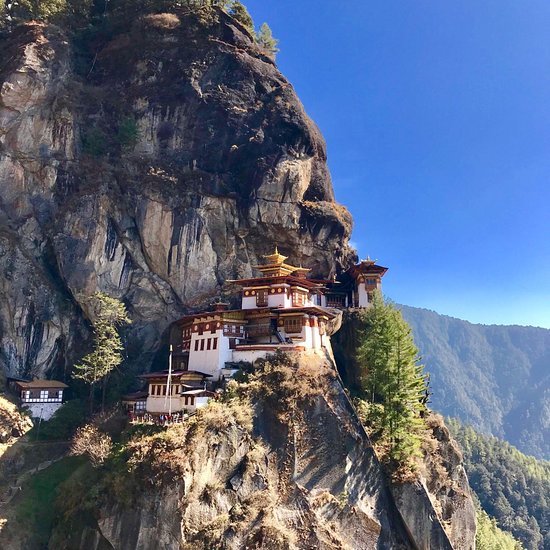
- Dzongs and museums: Architectural and historical insights into Bhutan’s past and governance.
Sustainable travel and local laws
Bhutan places a strong emphasis on environmental and cultural preservation. Respect local rules such as not littering, following designated trails and avoiding the removal of flora, fauna or religious items from sites.
Strict laws govern drugs, wildlife protection, and the export of antiques and religious artefacts. Always ask before purchasing antique-looking items and request proper documentation.
Connectivity and communications
Mobiles and internet services are widely available in Thimphu and Paro. For longer stays, consider buying a local SIM at a designated counter—this typically requires showing your permit and passport. In remote valleys, connectivity may be limited; plan accordingly.
Final tips and checklist
- Check permit and ID requirements well before departure; carry spare passport-sized photographs.
- Pack layers and rain protection; footwear suitable for uneven trails and cobbled monastery paths.
- Carry sufficient cash and small INR/BTN notes for remote areas.
- Respect local dress and shrine etiquette; ask before photographing people or religious rites.
- Consider hiring local guides or drivers for safe and insightful travel around the kingdom.
Bhutan rewards patient, respectful travellers with pristine landscapes, rich traditions and warm hospitality. With a little preparation — permits in order, sensible packing and cultural sensitivity — your first trip from India to Bhutan can be a peaceful, life-enhancing journey into the heart of the Himalaya.