North Sikkim in Winter: Snow at Lachung, Road Closures and Tips
Explore North Sikkim in winter — waking up to snow in Lachung, navigating road closures, and practical tips for a safe, memorable trip to Yumthang, Gurudongmar and beyond.
By TravMe Holidays travel team · · Updated · 7 min read
Winter transforms North Sikkim into a high-altitude wonderland: frosted pine forests, snow-clad hamlets and crystalline landscapes that reward travellers willing to brave the cold. But winter travel here also means unpredictable roads, permit formalities and altitude-related risks. This guide helps you plan a safe, comfortable and unforgettable winter visit to Lachung, Yumthang and the high reaches of North Sikkim.
Why visit North Sikkim in winter?
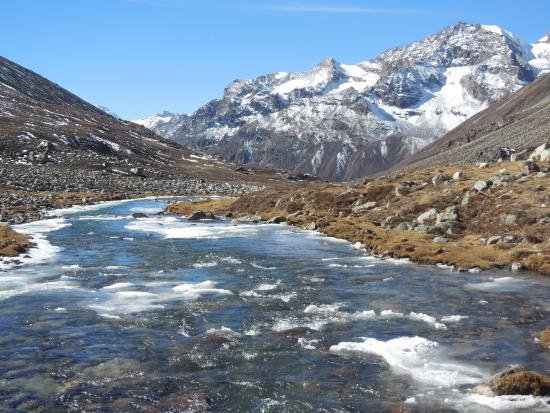
North Sikkim in winter is for travellers seeking dramatic scenery and a quieter, more intimate mountain experience. Popular attractions such as Lachung, Yumthang Valley and the high-altitude lakes receive thick layers of snow, turning the region into a pristine postcard: sunlight glinting off snowfields, frozen streams, and the rare opportunity to witness local life adapted to extreme cold.
Photographers, snow enthusiasts and those keen on serene walks will appreciate the season. Do bear in mind that winter is also the most logistically challenging time to travel here, so preparation is essential.
Typical winter conditions and what to expect
From December to February North Sikkim experiences sub-zero temperatures, especially after sunset. Elevations above 3,000 metres can see sustained snow cover, icy patches and freezing winds. Daytime sunshine can be bright, but temperatures remain low. Weather systems can change quickly: a clear morning can be followed by snowfall and whiteout conditions later in the day.
- Snowfall: Frequent at Lachung, Yumthang and higher passes.
- Visibility: Often reduced during snowstorms or heavy fog.
- Roads: Slippery and sometimes blocked by snow or landslides.
- Services: Some tourist facilities and eateries may operate on reduced hours.
Road closures and access: what you should know
Road connectivity is the single biggest variable for winter travel here. Heavy snow and avalanche risk lead authorities to close certain sections without notice. These closures aim to protect travellers, but they can disrupt itineraries.
Key routes and typical restrictions
- Gangtok to Lachung: The drive follows the Teesta Valley, usually open in winter but slower due to snow and ice. Occasional temporary closures happen around landslide-prone stretches.
- Lachung to Yumthang: Short drives from the village may be restricted if snow accumulation is heavy or if the road is blocked by drifted snow.
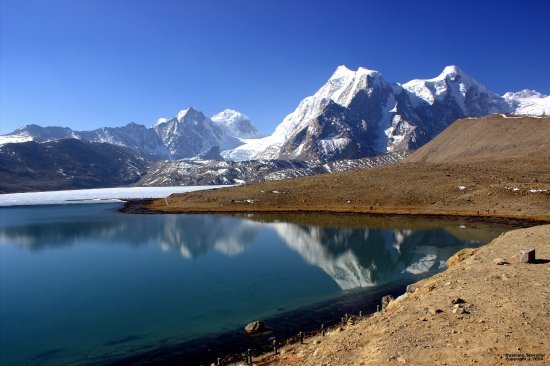
- Lachung to Lachen and onward to Gurudongmar: Access to high-altitude lakes and passes is most likely to be restricted. Gurudongmar, being above 5,000 metres, is especially prone to seasonal closures.
- Nathula and Jelep La: Border passes are generally closed to civilian traffic during winter months and have strict protocols even when open.
Authorities may issue local advisories and the Army or Border Roads Organisation may temporarily restrict movement for safety. Always check the most recent updates before you leave Gangtok.
Permits and documentation
North Sikkim is a restricted area and permits are mandatory. The requirements differ for Indian nationals and foreign visitors.
- Indian nationals: Inner line or protected area permits are required for travel beyond certain points. Permits can usually be arranged through the Sikkim Tourism office in Gangtok or via registered tour operators. Carry multiple photocopies and a valid photo ID.
- Foreign nationals: Restricted Area Permits (RAP) are required and often come with additional requirements like group movement rules and strict itineraries. Foreign visitors should plan permits well in advance and travel with authorised guides or tour operators.
Permits may be time-limited and tied to specific routes and hotels. During winter, officials can be stricter about movement, so keep all paperwork accessible and follow the authorised itinerary.
Health, altitude and safety precautions
Many attractions in North Sikkim lie at high altitude. Acclimatisation and caution are vital.
- Acclimatisation: Spend a day in Gangtok or Chungthang before ascending further. Ascend slowly and avoid exertion in the first 24 hours at altitude.
- Recognise altitude sickness: Symptoms include headache, nausea, dizziness and breathlessness. If symptoms worsen, descend immediately and seek medical help.
- Cold-related risks: Frostbite and hypothermia are real dangers. Keep extremities covered, change out of wet clothes quickly, and avoid prolonged exposure to wind.
Practical travel tips and packing checklist
Winter travel in North Sikkim needs careful packing and planning. The right gear keeps you comfortable and reduces unforeseen risks.
Packing essentials
- Layered thermal clothing: base layers, fleece, down jacket.
- Waterproof outerwear with windproofing.
- Warm gloves, woollen caps, neck gaiter and multiple pairs of socks.
- Quality insulated boots with good grip; consider crampons if you plan serious walking on ice.
- Sun protection: UV sunglasses and sunscreen for high-altitude glare.
- Basic medical kit, personal medications and altitude-relief medicines if prescribed by a doctor.
- Power banks and spare batteries — cold drains batteries faster.
- Cash in small denominations — ATMs may not be available in remote areas.
Travel arrangements
- Vehicle: Use a sturdy, well-maintained vehicle with good ground clearance. Drivers experienced in mountain winter driving are a must.
- Tires and chains: Carry snow chains and ensure the vehicle has good winter tires. Ask your driver to carry chains even if you don’t plan to use them.
- Guide and permits: Travel with a registered travel operator or guide who can handle permits, logistics and emergency contacts.
- Flexible itinerary: Build buffer days into your schedule to accommodate closures or delays.
Where to stay and eat in winter
Lachung and Lachen have modest accommodation options — guesthouses, lodges and small hotels that cater to winter travellers. Expect basic heating and hot water; many places switch off services during heavy snowfall, so confirm beforehand. Book in advance during peak holiday periods, as winter sees a niche but steady flow of travellers.
Local cuisine is hearty and warming: hot soups, thukpa, momos and yak-based dishes in higher reaches. Carry snacks and high-energy food when going on day excursions, and avoid risky foraging in unfamiliar areas.
Activities and experiences in winter
Though some high passes are inaccessible, winter still offers memorable experiences:
- Snow walks and photography: Early morning walks around Lachung present excellent light and quiet landscapes.
- Village visits: Interact with locals to learn how they adapt to winter life. Homestays offer authentic, warm hospitality.
- Short treks and nature trails: Low-altitude trails can be manageable with a guide and proper gear.
- Mountain vistas: On clear days, views of Kanchenjunga and surrounding peaks are spectacular.
Trips to Gurudongmar and other high lakes depend entirely on road conditions and permits. Do not attempt them without confirmation from authorities and a reliable guide.
Communications and emergencies
Mobile connectivity is patchy in North Sikkim; some places have better coverage than others, and network outages are common in winter. Share your itinerary with family and your hotel, and maintain regular check-ins when you have signal. Carry emergency contacts for regional authorities, your tour operator and medical facilities.
Travel insurance that covers high-altitude rescue and medical evacuation is strongly recommended. Also check for winter-specific clauses and any exclusions related to snow-related road closures.
Tip: Build flexibility into your plans. A few extra days in your itinerary can turn a potential disruption into an opportunity to soak in the solitude and beauty of North Sikkim in winter.
Responsible travel and local culture
Respect local customs and the fragile mountain environment. Avoid littering and stick to marked paths where possible. Local communities in Lachung and Lachen are hospitable and proud of their culture — engage respectfully, ask before photographing people, and consider supporting homestays and local handicrafts.
Sample winter itinerary (flexible)
The following is a conservative, flexible outline that accounts for slower travel in winter:
- Day 1: Arrive Gangtok — acclimatise, collect permits and check weather updates.
- Day 2: Gangtok to Lachung — scenic drive through Teesta Valley, stop at viewpoints.
- Day 3: Explore Lachung and nearby walks; check access to Yumthang.
- Day 4: Optional visit to Yumthang (subject to road conditions) or local excursions around Lachung.
- Day 5: Lachung to Lachen (or return to Gangtok if weather precludes further travel).
- Day 6: Contingency / return travel day to Gangtok or onward destination.
Factor in rest days and allow time for last-minute changes. If Gurudongmar is possible, add it only after verifying road status and permit clearances.
Final checklist before you leave
- Confirm permits and carry printed copies.
- Check vehicle condition and availability of snow chains.
- Inform someone about your itinerary and expected check-in times.
- Pack appropriate winter gear, medicines and sufficient cash.
- Buy travel insurance that covers high-altitude emergencies.
- Review local weather and road advisories one final time.
North Sikkim in winter is a special experience that rewards careful planning. The snow-laden charm of Lachung and the surrounding valleys can be life-affirming, provided you respect the mountains, prepare for changing conditions and travel with flexibility. With the right precautions and a spirit of adventure, a winter trip here will be one of your most memorable Himalayan journeys.
Conclusion: If you want to witness pristine snowfields and tranquil mountain life, winter in North Sikkim delivers. Prioritise safety, secure permits and travel with local knowledge. Arrive prepared, be patient with the elements, and the white magic of Lachung and its environs will repay you generously.