New Jalpaiguri Railway Station to Gangtok: How the Road Journey Works
A practical guide to the road journey from New Jalpaiguri (NJP) Railway Station to Gangtok, covering transport options, routes, permits, travel time, tips, and what to expect en route for a smooth, safe transfer into Sikkim.
By TravMe travel team · · 6 min read
Arriving at New Jalpaiguri (NJP) is the common gateway for travellers heading to Sikkim. The onward road transfer to Gangtok is scenic but requires a little planning: you need to choose between shared jeeps, private taxis, and state buses, be aware of permits, understand road conditions and stops, and allow time for acclimatisation once you reach the hill town. This guide explains how the road journey works so you can select the option that best fits your comfort, budget and schedule.
Overview: Distance, Duration and the Route
The drive from NJP/Siliguri to Gangtok covers roughly 120–130 kilometres and climbs from the plains into the Himalayan foothills. Expect a journey time of around 4 to 6 hours under normal traffic and weather conditions. The most common route follows NH10 via Sevoke, crosses the Teesta River, passes Melli, and winds up through Singtam and Rangpo into Gangtok. The road is mostly two-lane with stretches of good surfacing, intermittent construction and sections that curve tightly as you gain altitude.
Transport Options: Choose What Suits You
1. Shared Jeeps and Tempo Travellers
Shared jeeps and tempo travellers are the most budget-friendly and common option. They depart from designated stands in Siliguri and near NJP. These vehicles are usually filled before departure, so you may wait until they have enough passengers. Shared rides are direct but make stops to pick up and drop off people along the way. Luggage space can be limited—pack thoughtfully.
2. Private Taxis
A private taxi offers the most convenience and flexibility. You can hire a sedan, SUV or Innova-type vehicle for a door-to-door transfer. Private cars are a good choice if you travel with family, have lots of luggage or prefer to stop for photos and breaks. Negotiate or book through a reputable operator; confirm the rate, inclusions and whether the driver will wait at Gangtok or return immediately.
3. State Transport (SNT) Buses
Sikkim Nationalised Transport (SNT) runs buses between Siliguri/NJP and Gangtok. These are economical and reasonably comfortable, with departures from Siliguri bus terminals. Buses follow scheduled timings and usually stop at major towns en route. They can be slower than private options because they make more stops, but they are sturdy and handle mountain roads well.
4. App-Based and Pre-Booked Transfers
In recent years, app-based taxi services and travel agencies offer pre-booked transfers from NJP to Gangtok. Pre-booking gives peace of mind—especially for late-night arrivals—and allows you to confirm permit arrangements if needed. Always check reviews and cancellation policies.
Permits and Documentation
Sikkim has entry regulations that travellers must respect. Indian citizens typically require an Inner Line Permit (ILP) or entry permit to enter certain parts of Sikkim; this can often be obtained online or at entry points/check posts. Foreign nationals need a Restricted Area Permit (RAP)/Protected Area Permit with specific rules and application procedures. Permit requirements and procedures can change, so check official Sikkim government and Indian immigration guidance before you travel. Keep photocopies of permits, ID and train tickets handy for inspection at check posts or when requested by authorities.
What to Expect on the Road
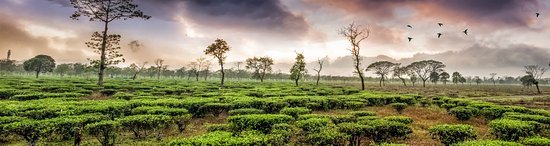
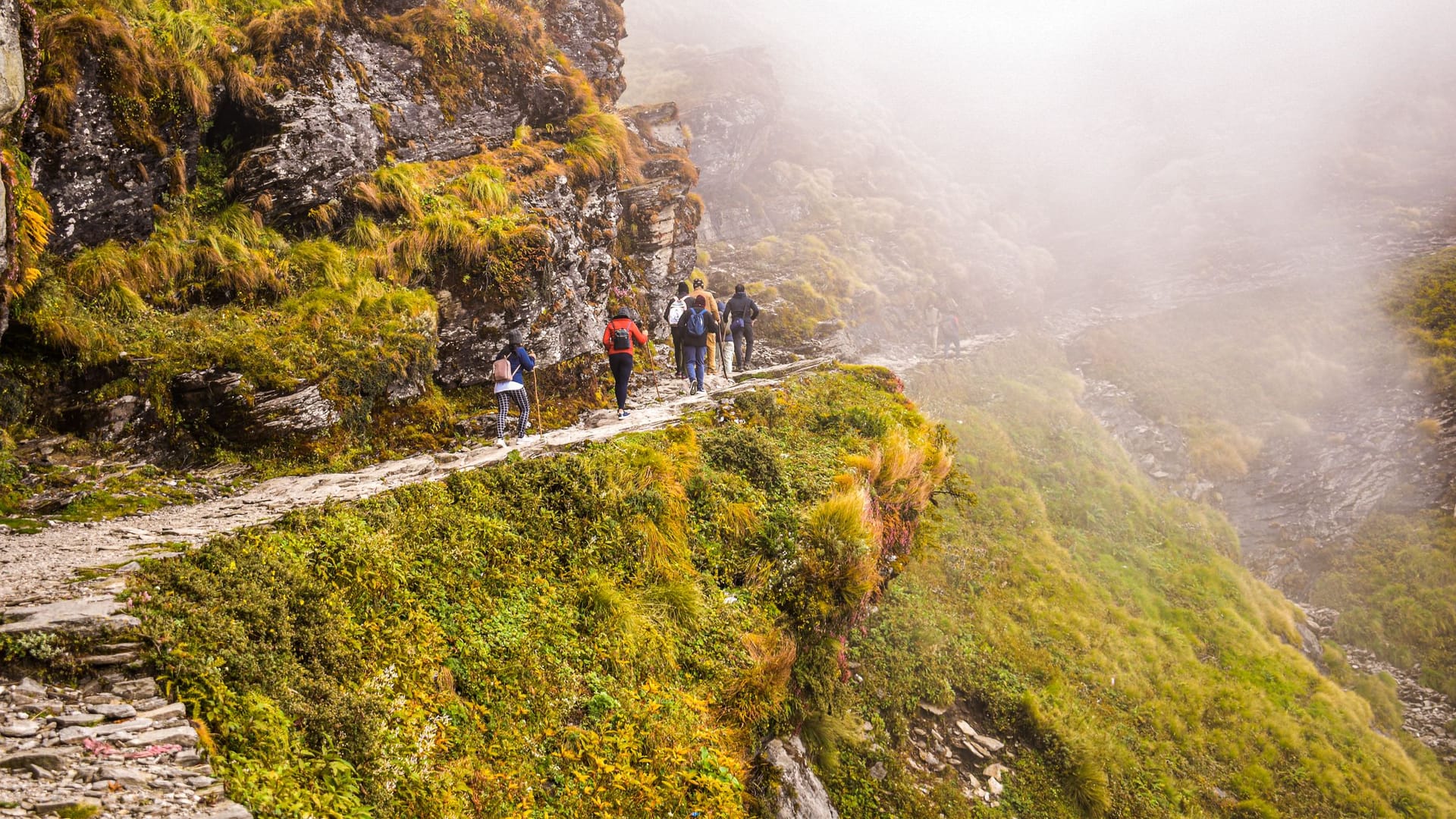
The drive from the plains into Sikkim is scenic: verdant tea gardens give way to river valleys, suspension bridges and forested hillsides. You will cross the Teesta River and pass small towns such as Sevoke, Melli and Singtam. Some parts of the road have guardrails and proper banking; others are narrow with hairpin bends. Expect traffic bottlenecks at river crossings and during peak tourism season or festival days.
Common Stops and Photo Points
- Teesta River and its bridges—great views and photos.
- Melli check post—where permits may be examined.
- Singtam—town with viewpoints and eateries for a quick break.
- Rangpo—last major town before the climb to Gangtok, often a place to stretch legs or change vehicles.
Safety, Comfort and Practical Tips
1. Timing Your Journey
Try to travel during daylight hours. Mountain roads can be more challenging at night due to reduced visibility and oncoming heavy vehicles. Morning departures are preferable to avoid afternoon traffic and possible cloud or rain-related disruptions.
2. Weather and Road Conditions
Monsoon season brings landslides and roadblocks; winter may bring slippery sections at higher elevations. Before you leave, check local weather updates and road condition reports. Allow extra time in your itinerary for delays.
3. Luggage and Packing
If you are taking a shared jeep, pack light and carry essential items in a small daypack—water, medicines, a warm layer and important documents. For private cabs or buses you will have more luggage space, but still avoid bringing fragile items that could be jostled on the winding road.
4. Health and Acclimatisation
Gangtok sits at a higher altitude than NJP. Most travellers do not experience severe altitude sickness on arrival, but it helps to rest on arrival, stay hydrated and avoid strenuous activity for the first day. If you have respiratory or cardiovascular concerns, consult a doctor before travel.
5. Food and Toilets
There are roadside tea stalls and dhabas en route serving local and simple Indian food. For vegetarians and travellers with dietary restrictions, carry some snacks. Public toilets are available at major stops but may be basic—carry hand sanitiser and toilet tissue.
Booking Tips and Cost Considerations
Advance booking is sensible during peak seasons (spring, autumn, major festivals) and for late-night arrivals from trains. Compare quotes from several providers if hiring a private taxi. For shared jeeps, arrive early at the stand to secure a seat or join the first vehicle that fills. If you need door-to-door transfers, ask whether tolls, parking and driver allowances are included in the quoted price.
Arrival in Gangtok
Most vehicles drop travellers at the main taxi stand or at points near MG Marg, the central pedestrian area. If your accommodation is higher up, expect a short additional ride—some hotels are reached by narrower roads or short walks. Once in Gangtok, give yourself time to relax, acclimatise and explore at a gentle pace. Local taxis and shared cabs are available for short excursions, and hotel staff or your driver can often help with onward bookings for sightseeing.
Note: Permit rules, road conditions and transport options can change. Always confirm current requirements and schedules with official sources or trusted local operators before you travel.
Best Time to Make the Road Journey
Spring (March to May) and autumn (September to November) are widely regarded as the best periods for a smooth road journey: stable weather, clearer mountain views and comfortable temperatures. Avoid heavy monsoon months if possible due to landslide risk. Winter can be pleasant but bring warm clothing, as nights and early mornings are cold.
Packing Checklist for the Transfer
- Valid ID and printouts/screenshots of permits and train tickets
- Light daypack with water, snacks and medications
- Warm layer or light jacket for the climb up to Gangtok
- Basic toiletries and hand sanitiser
- Power bank and phone charger
- Small amount of local cash for roadside purchases and tips
Final Thoughts
The road journey from New Jalpaiguri to Gangtok is part of the Sikkim experience: scenic, varied and manageable with a little preparation. Choose the mode of transport that fits your comfort and schedule, secure any necessary permits in advance, and plan for daylight travel when possible. With these practical tips you can turn the transfer into a pleasant, stress-free start to your Sikkim adventure.