Lolab Valley Travel Guide: Orchards and Forests of North Kashmir
Lolab Valley in North Kashmir is a serene tapestry of orchards, forests and meadows — perfect for travellers seeking offbeat nature, village life and gentle treks. This guide covers how to reach, where to stay, things to do, and practical tips.
By TravMe Holidays travel team · · 6 min read
Nestled in the north-western reaches of Kashmir, Lolab Valley is a lesser-known gem of orchards, conifer forests and pastoral hamlets. Away from Srinagar's bustle and the more frequented tourist circuits, Lolab offers a peaceful, slow-paced experience that highlights local culture, seasonal blooms and pristine nature.
Overview: What Makes Lolab Valley Special
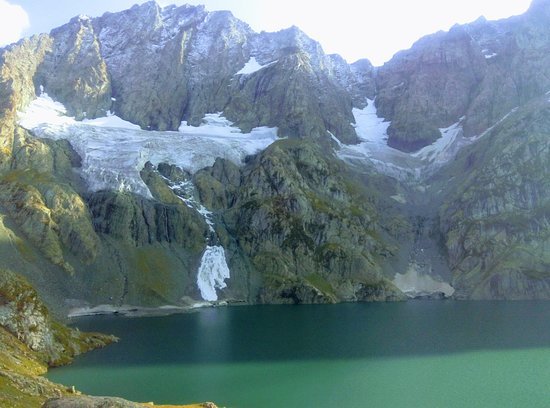
Lolab Valley is a narrow, verdant valley framed by pine-clad slopes, apple and walnut orchards and crystalline streams. The valley’s landscape changes markedly with the seasons: apple blossoms in spring, green meadows and wildflowers through summer, golden foliage in autumn and a hushed, snowy mantle in winter. Its remoteness has helped preserve traditional village life, making it an ideal destination for travellers who prefer nature, solitude and cultural encounters over commercial tourism.
Where Is Lolab Valley and How to Reach It
Lolab lies in Kupwara district of North Kashmir. The most common approach is from Srinagar, which acts as the regional transport hub.
By Road from Srinagar
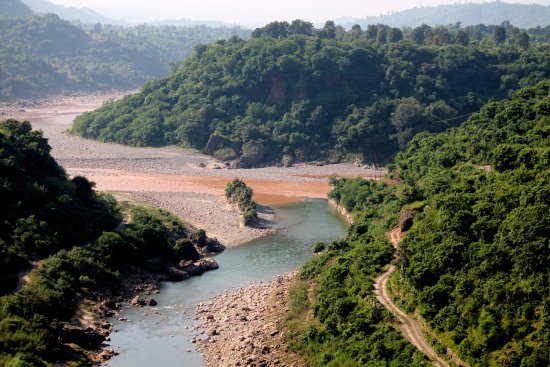
The drive from Srinagar to Lolab typically takes several hours depending on road conditions. The route passes through scenic mountain roads, small towns and occasional roadside views of rivers and orchards. Roads may be narrow in stretches and can be affected by weather, so allow extra time and check local conditions before starting.
Nearest Railway and Airport
Srinagar is the nearest major airport. The closest long-distance railhead is farther away, so most travellers arrive by air to Srinagar and continue by road. Once in Kupwara or nearby towns, local transport — taxis and shared vehicles — can take you into the valley.
Best Time to Visit
Each season in Lolab offers a distinctly different experience:
- Spring (March–May): Apple and cherry blossoms, mild temperatures — excellent for photography and orchard walks.
- Summer (June–August): Warm days, lush meadows and clear streams — ideal for trekking, camping and village visits.
- Autumn (September–November): Harvest time; apple picking and vibrant fall colours provide atmospheric landscapes.
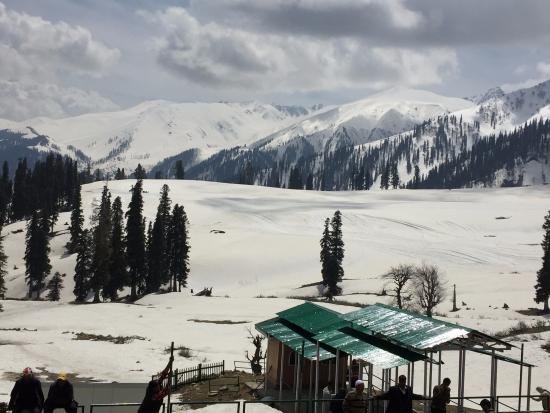
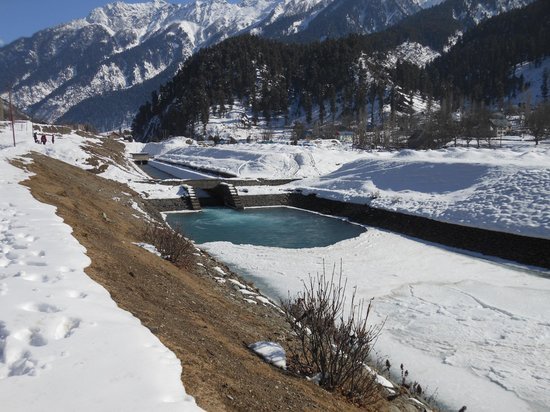
- Winter (December–February): Quiet and snowy — suitable for travellers who enjoy solitude and snow-clad scenery, but check accessibility.
For first-time visitors seeking comfortable weather and full access to trails, late spring to early autumn is usually best.
Top Things to Do in Lolab Valley
Walk Among Orchards
Orchards are the valley’s heartbeat. Stroll through apple, walnut and pear trees to see traditional horticulture practices, seasonal blossoms and, in harvest time, local fruit markets. Interacting with orchard owners offers insights into rural livelihoods and food culture.
Explore Conifer Forests and Meadows
Dense pine and cedar forests create cool, fragrant trails that are great for short hikes and picnics. Meadows at higher elevations burst with alpine flowers in summer and provide panoramic viewpoints for photography.
Gentle Treks and Day Hikes
There are several approachable treks linking hill villages and scenic overlooks. Trails are generally moderate and suit fit travellers and families who want to experience nature without technical climbing. Local guides can add value by pointing out flora, fauna and cultural sites.
Birdwatching and Wildlife
The valley and adjacent forests host a variety of birds, from resident songbirds to seasonal migrants. Keep an eye out for pheasants, woodpeckers and raptors. Respect wildlife by observing from a distance and avoiding loud disturbances.
Village Visits and Cultural Encounters
Visiting villages gives a sense of Kashmiri rural life — traditional homes, local handicrafts, and everyday activities centred on orchards and livestock. Tea with a host family, tasting local bread and dairy, and learning about craft skills can be highlight experiences.
Photography
Photographers will find abundant subjects: macro shots of blossoms, landscape panoramas, portraits of orchard workers, and atmospheric village scenes at dawn or dusk. Golden hour light in the valley is particularly rewarding.
Suggested Itineraries
Here are two compact itinerary ideas you can tailor according to time and interest.
Long Weekend (2–3 Days)
- Day 1: Drive from Srinagar to Lolab, settle into a guesthouse and take an evening orchard walk.
- Day 2: Full-day exploration — nature walk, village visit, and picnic in meadows.
- Day 3: Short hike in the morning, return to Srinagar.
Extended Stay (4–6 Days)
- Day 1: Arrival and acclimatisation.
- Day 2–3: Two moderate treks, birdwatching and photography sessions.
- Day 4: Cultural day — visit orchards, meet local families, try regional food.
- Day 5: Leisure day for markets or revisiting favourite spots.
- Day 6: Return to Srinagar.
Where to Stay
Accommodation options in Lolab are limited compared to major Kashmiri destinations. Expect homestays, basic guesthouses and a few small lodges, often run by local families. Staying in a homestay offers authentic interactions and locally cooked meals. For more comfortable hotels and a wider choice of services, you can base yourself in Srinagar and take day trips into the valley, although that reduces time to explore the area fully.
What to Pack
- Layered clothing — temperatures can vary significantly between day and night.
- Sturdy walking shoes suitable for uneven trails.
- Sun protection: hat, sunglasses and sunscreen.
- Reusable water bottle and small first-aid kit.
- Binoculars for birdwatching and a camera with extra batteries or power bank.
- Rainproof jacket if visiting during the monsoon-affected months or unpredictable weather.
Practical Tips, Safety and Permits
Before travelling to Lolab, check local advisories and road conditions. Some remote areas may require permits; verify with local authorities or your tour operator. Mobile network coverage may be patchy in parts of the valley, so download maps and important information offline.
Health services in the valley are basic; carry necessary medicines and be prepared for longer transfers to hospitals in major towns if needed. Respect local customs: modest clothing, especially when visiting villages and religious sites, is appreciated.
Food and Local Cuisine
Food in Lolab is home-style and hearty. You’ll find local Kashmiri dishes such as simple pulao, rogan josh in communities that prepare meat dishes, and vegetarian options centred on lentils, seasonal vegetables and flatbreads. Fresh dairy, walnuts and orchard fruits are highlights. If you have dietary restrictions, communicate clearly with your host or guesthouse in advance.
Responsible Travel in Lolab
Protecting the valley’s fragile environment and supporting local livelihoods should be part of any visit. A few simple practices make a big difference:
- Carry back all plastic and non-biodegradable waste; use refillable water bottles.
- Seek permission before photographing people, and compensate local guides fairly.
- Stick to marked trails to protect vegetation and avoid disturbing wildlife.
- Buy local produce and handicrafts to ensure tourism benefits village economies.
If you travel thoughtfully, Lolab rewards you with quiet, authentic experiences that linger long after you leave.
Conclusion
Lolab Valley is a serene counterpoint to Kashmir’s more touristed spots — a place of orchards, forests and simple village rhythms. Whether you are seeking gentle treks, intimate nature encounters, seasonal blooms or genuine cultural exchange, Lolab offers an offbeat and deeply satisfying experience. Plan with respect for local life and the environment, and you will discover a side of Kashmir that feels timeless and restorative.