Gurez Valley Travel Guide: Kashmir's Remote Frontier Valley
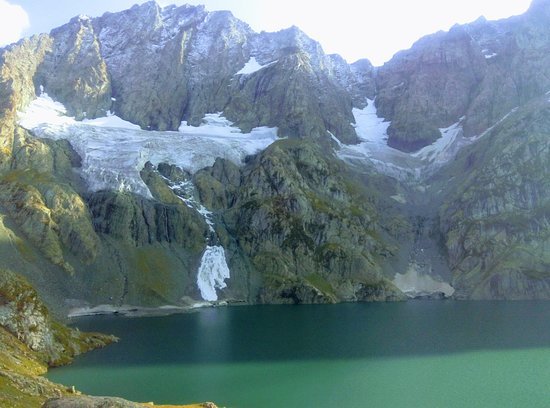
Gurez Valley is Kashmir’s secluded high-altitude valley, offering pristine meadows, alpine lakes, unique Dard culture and dramatic vistas. This guide covers how to get there, best time to visit, trekking, stay options and practical tips for a safe, memorable trip.
By TravMe Holidays travel team · · Updated · 6 min read
Nestled in the far north of Indian-administered Kashmir, Gurez Valley feels like a world apart. With sweeping green meadows, crystal streams, and the low-slung silhouettes of snow-coated mountains, it’s a place for travellers who want solitude, culture and unspoilt nature. This guide will help you plan a trip to Gurez — how to reach it, what to see and do, where to stay, and practical tips to make your journey smooth and respectful.
Where is Gurez Valley?
Gurez (also spelled Gurais or Gurais) lies in the high Himalaya along the Kishanganga (Neelum) River. The valley forms part of the Bandipora district and stretches east from the town of Dawar towards the Line of Control. Its remote position means Gurez enjoys dramatic isolation, with alpine pastures, coniferous forests and traditional villages inhabited by the Shina-speaking Dard community.
Why visit Gurez?
- Pristine nature: Riverine meadows, glacier-fed streams and bright wildflowers in summer make the valley a sanctuary for nature lovers and photographers.
- Cultural immersion: Meet the Dard people, learn about their language, music and traditional wooden architecture, and witness pastoral life that’s remained largely unchanged.
- Trekking and adventure: Gateway to high-altitude treks and passes that reward trekkers with panoramic views and remote camping opportunities.
- Wildlife: Possible sightings of Himalayan ibex, musk deer and a variety of birds; the valley’s quiet habitats support diverse fauna.
Best time to visit
Gurez is a high-altitude valley and has two distinct seasons for visitors:
- Summer (May to September): This is the prime season. Snow melts, meadows turn vivid green, and mountain passes open. Days are pleasant, though nights can be chilly. This is the best time for trekking, village visits and photography.
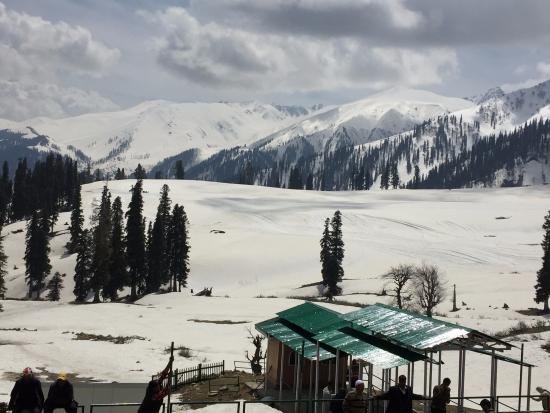
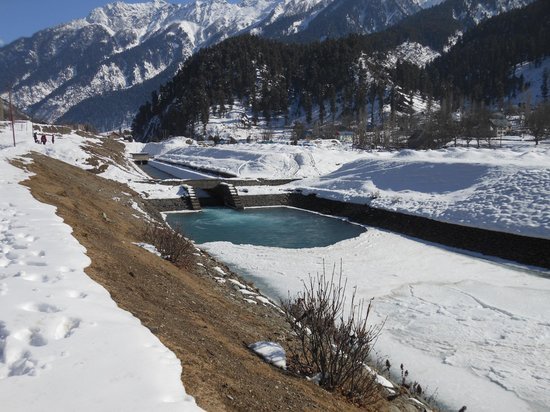
- Winter (November to March): The valley receives heavy snowfall and many roads may close. Winter travel is for experienced travellers prepared for extreme cold and logistical challenges. Some areas become inaccessible, but the snowbound landscapes are spectacular.
How to get to Gurez
Reaching Gurez is part of the adventure. The journey usually starts from Srinagar, the summer capital of Jammu & Kashmir.
From Srinagar
The road route from Srinagar to Gurez via Bandipora and Razdan Pass is the most common. The drive is long but scenic, typically taking several hours depending on weather and road conditions. Razdan Pass can be tricky during early spring and late autumn due to snow.
By air
There is no commercial airport in Gurez. The nearest airport is Srinagar International Airport. From Srinagar, travellers continue by road.
Permits and checkpoints
Because Gurez lies close to the Line of Control, there are military checks en route. Indian citizens generally need valid ID (Aadhaar, voter ID or passport) and should be prepared for verification at checkpoints. Foreign nationals may require special permissions; confirm regulations with the local district administration or your travel agent well in advance.
Where to stay
Accommodation in Gurez ranges from basic guesthouses and homestays to a few government-run guest accommodations. Expect simple but warm hospitality — think comfortable rooms, local food and opportunities to stay with local families. Book in advance during peak season to secure better options.
Homestays
Homestays provide cultural exchange and home-cooked Dard meals. Staying with families is a wonderful way to experience local life and understand traditional farming and handicrafts.
Top things to do in Gurez
- Explore Dawar and local villages: Walk through villages, speak with residents, visit small shops and observe traditional timber homes.
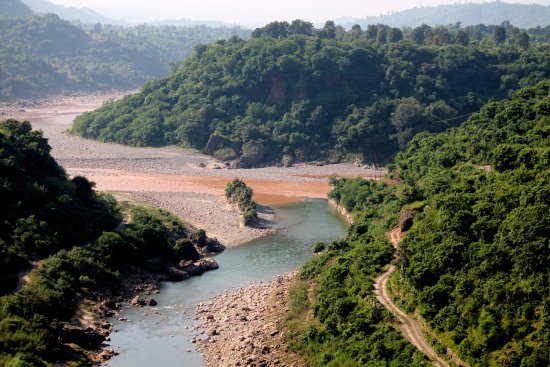
- Walk along the Kishanganga River: Scenic riverbanks and quiet spots for picnics and photography.
- Trek to high pastures and lakes: Several short and multi-day treks lead to alpine meadows and remote lakes. Local guides are recommended for safety and route knowledge.
- Birdwatching and wildlife spotting: Early mornings are best. Bring binoculars and a field guide if you’re keen on birds and small mammals.
- Attend local festivals (seasonal): If your visit coincides with community celebrations, you may witness folk songs, dances and handicraft displays.
Trekking around Gurez
Trekking in the Gurez region suits both moderate day-trips and challenging multi-day routes. Trails often cross alpine meadows, moraines and remote ridgelines. Key points for trekkers:
- Hire an experienced local guide who knows the terrain and weather patterns.
- Many trails have no marked refuges — be self-sufficient with camping gear, food and a reliable map or GPS device.
- Acclimatise gradually to avoid altitude sickness, even at moderate elevations.
- Respect grazing patterns and seasonal migrations of local shepherds; avoid disrupting livestock.
Culture and local cuisine
The Dard community’s culture is a highlight. Traditional music, timber architecture, and pastoral livelihoods shape daily life. Food is simple and hearty — local breads, pulses, rice, and dishes flavoured with local ingredients. Tea and walnut-based sweets are common treats. Polite curiosity and an open attitude go a long way when interacting with residents.
Safety and practical tips
- Check weather and road conditions: Mountain weather is changeable. Roads can close suddenly due to snowfall or landslides.
- Carry adequate cash: ATMs are scarce; carry sufficient cash for stays, food and contingencies.
- Health precautions: Carry a basic first-aid kit, altitude sickness medication if advised by your doctor, and water purification tablets.
- Respect local rules: Follow guidelines at military checkpoints, carry ID, and obey any instructions from local authorities.
- Leave no trace: Gurez’s ecosystems are fragile. Dispose of waste responsibly and avoid damaging flora and fauna.
Tip: Engage a local travel operator or guide for reliable logistics; they help with permits, transport and cultural introductions.
Suggested itineraries
These sample itineraries are flexible; adapt them to your pace, interests and time available.
Short trip: 2–3 days
- Day 1: Drive from Srinagar to Dawar, settle into a homestay and explore the village.
- Day 2: Short local walks along the river and to nearby viewpoints; cultural interactions in the evening.
- Day 3: Return to Srinagar via the Razdan Pass route.
Extended trip: 5–7 days
- Day 1: Travel from Srinagar, acclimatise in Dawar.
- Days 2–4: Multi-day treks to high pastures or nearby lakes; camp or stay with shepherds.
- Days 5–6: Explore more remote villages, visit local markets, and attend any community events.
- Day 7: Return to Srinagar, with stops at scenic points en route.
Responsible travel notes
Gurez is both environmentally sensitive and strategically located. Responsible travellers should:
- Respect privacy and livelihoods of local communities.
- Avoid photographing military installations or personnel.
- Travel in small groups to reduce impact on fragile trails and grazing lands.
- Buy local handicrafts if you wish to support artisans directly.
Final words
Gurez Valley is a destination for those who value quiet landscapes, human warmth and the thrill of remoteness. Plan carefully, travel respectfully and allow extra time for logistics — the reward is a slice of Kashmir few tourists experience: vast meadows, clear rivers, and an authentic cultural encounter that lingers long after you leave.
Happy travels — and remember to leave Gurez as pristine as you find it.