Joshimath Travel Guide: Gateway to Badrinath and Auli
Comprehensive guide to Joshimath in Uttarakhand — how to reach, best time to visit, nearby attractions like Badrinath and Auli, trekking options, permits, accommodation and practical travel tips.
By TravMe Holidays travel team · · 5 min read
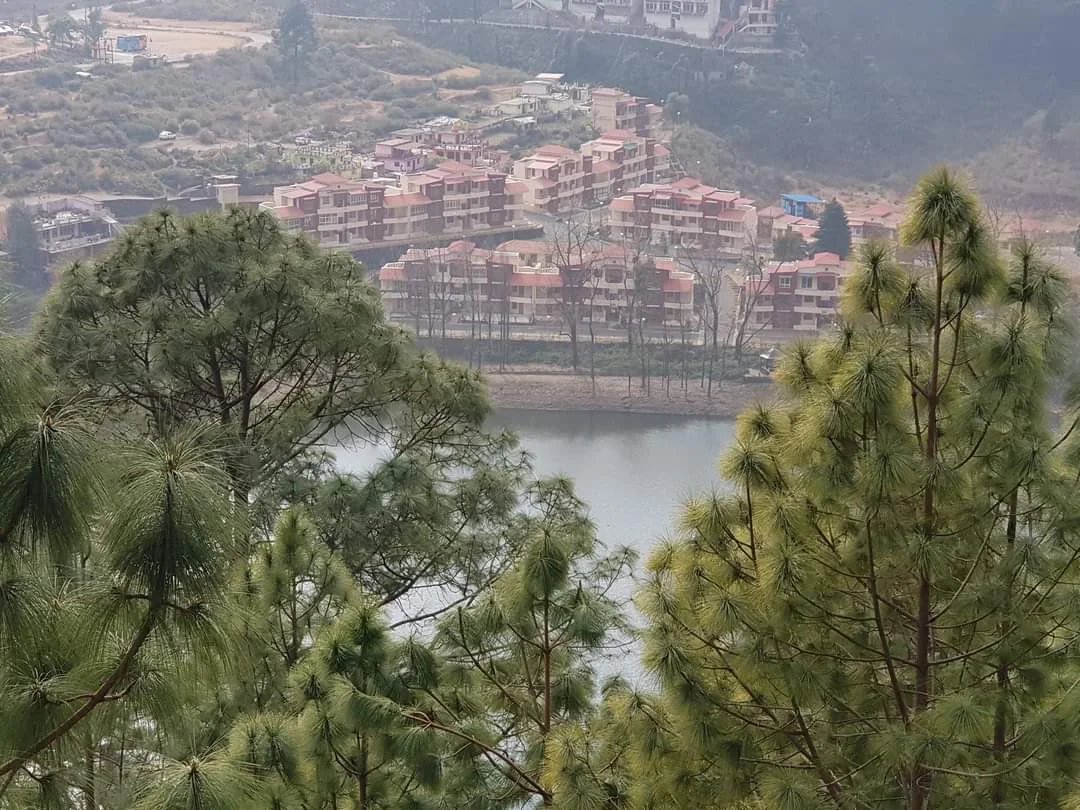
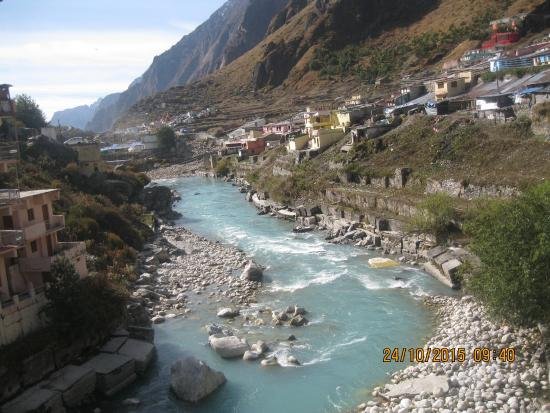
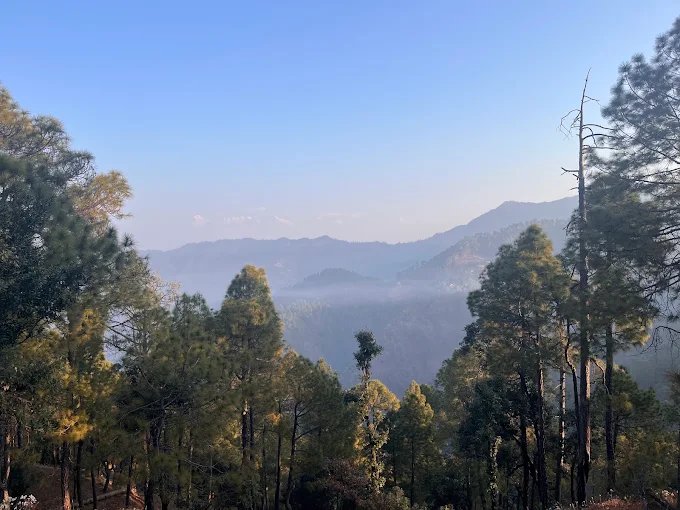
Nestled at the confluence of the Alaknanda and Dhauliganga rivers, Joshimath (or Jyotirmath) is the spiritual and logistical gateway to some of Garhwal’s most iconic destinations — Badrinath and Auli. This high-altitude town combines religious significance, mountain beginnings, and adventure access, making it an essential stop for pilgrims, trekkers and nature lovers heading into the Himalaya.
Quick overview
Joshimath sits at around 1,890 metres and is the base for onward journeys to Badrinath (further up the Alaknanda valley), Auli (famous for its slopes and ski lifts), Hemkund Sahib, and the Valley of Flowers. It also has ancient monastic roots as one of Adi Shankaracharya’s four mathas. From Joshimath you will find a mix of pilgrim facilities, basic hotels and adventure service providers.
How to reach Joshimath
Reaching Joshimath involves a combination of road travel and, depending on your plan, cable car or trekking. Here are the common approaches:
By air
The nearest major airport is Jolly Grant Airport (Dehradun). From there, Joshimath is roughly a 9–11 hour drive depending on road conditions. Many travellers choose to hire a private taxi or take a shared tempo traveller to reach Joshimath.
By train
Haridwar and Rishikesh are the closest railway heads with good connectivity from across India. From either station, you will cover the rest of the journey by road. Overnight trains to the foothills followed by a scenic drive are a common option.
By road
Regular buses and shared taxis ply from major Uttarakhand towns like Rishikesh, Haridwar and Dehradun. The road to Joshimath passes through mountain terrain with hairpin bends — allow plenty of time and expect stops. Many travellers break the journey at Srinagar (Uttarakhand) or Rudraprayag to rest.
Best time to visit
The best time depends on what you want to do:
- May to October – Ideal for pilgrimages to Badrinath and for walking treks like Valley of Flowers (seasonal). The weather is pleasant and roads are generally open.
- December to March – Best for skiing and snow experiences in Auli, though winters are cold and some higher passes may be snowbound.
- Monsoon (July–September) – Brings spectacular greenery but also landslide risk and road closures. Check local conditions before travelling.
Permits and entry formalities
For most travellers, no special permit is required to enter Joshimath itself. However, certain treks and protected zones (like Valley of Flowers) require entry permits and an environment fee at the park entrance. If you plan to drive beyond Joshimath into restricted or sensitive areas, ask local authorities or your hotel for current permit requirements.
Top attractions and day trips from Joshimath
- Badrinath – One of the Char Dham pilgrimage sites, approx. 40 km from Joshimath. The temple town draws devotees during the pilgrimage season; expect crowded days and special rituals.
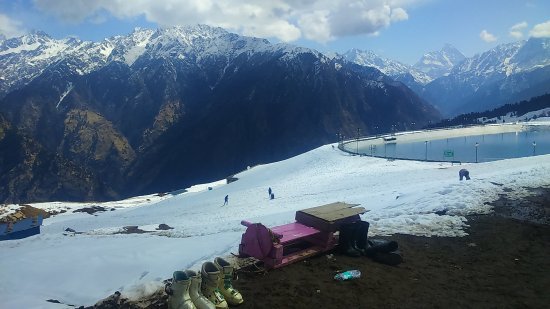
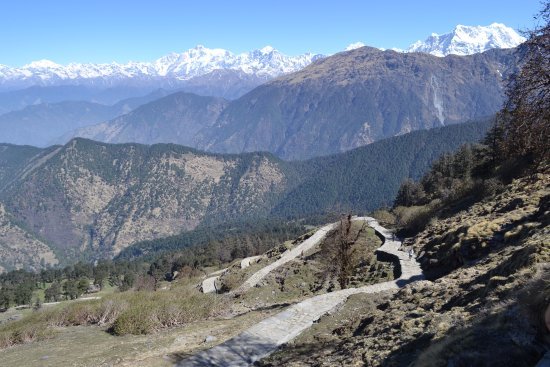
- Auli – A short drive or cable car ride from Joshimath, Auli is a high-altitude meadow famous for skiing, panoramic views of Nanda Devi and a well-maintained ropeway.
- Valley of Flowers – A UNESCO biosphere reserve reachable via a trek from Govindghat; famous for its alpine blooms in peak season (July–August).
- Hemkund Sahib – A sacred Sikh shrine set beside a high-altitude lake, reached by a demanding trek from Govindghat during the open season.
- Jyotirmath Monastery – Explore the monastic heritage and learn about the Shankaracharya lineage.
Trekking and adventure options
Joshimath is a hub for short and multi-day treks. Popular routes include treks to Auli meadows, Kuari Pass (where accessible), and the longer approaches to Valley of Flowers and Hemkund Sahib. Outfitters and guides are available in town — hiring a local guide improves safety and supports the local economy.
Accommodation and dining
Accommodation in Joshimath ranges from simple guesthouses to mid-range hotels. Facilities are basic compared to bigger hill stations, so book in advance during peak pilgrimage and winter seasons. Dining options focus on hearty Indian fare: dal, rice, rotis, rajma, soups and local thalis. Carry a few ready-to-eat items or energy snacks for early starts or remote treks.
Health, acclimatisation and safety
Altitudes around Joshimath are moderate, but if you are moving to higher elevations such as Hemkund or trekking high passes, allow time to acclimatise. Stay hydrated, avoid overexertion on the first day, and recognise symptoms of acute mountain sickness (headache, nausea, dizziness) — descend if symptoms worsen.
Road safety: mountain roads can be narrow and prone to landslides, especially during the monsoon. Travel by daylight when possible and keep an eye on weather and road updates.
Packing checklist
- Layered clothing (temperatures vary widely between day and night)
- Sturdy walking shoes or trekking boots
- Rain jacket and waterproof cover for your backpack
- Sunscreen, sunglasses and a wide-brim hat
- Basic first-aid kit, altitude sickness medication (after consulting a doctor)
- Reusable water bottle and water purification tablets or filter
- Power bank and necessary chargers — power cuts can happen in remote locations
Local culture and etiquette
Joshimath is steeped in religious tradition. Respect local customs at temples and monasteries: dress modestly, remove footwear where required, and ask before photographing people or religious sites. Interacting with local vendors and guides with courtesy goes a long way; small gestures and greetings are appreciated.
Pro tip: Start early for day trips — mountain mornings are clear, traffic is lighter and you get the best light for views and photography.
Responsible travel tips
- Carry reusable utensils and avoid single-use plastics — mountain ecosystems are fragile.
- Stick to marked trails and avoid disturbing flora and fauna, especially in protected zones like Valley of Flowers.
- Use local guides and services; your spending supports community livelihoods.
- Dispose of waste properly; many mountain towns lack robust waste management systems.
Practical tips and final advice
- Connectivity is variable — mobile networks and internet may be intermittent, so download maps and important information before you go.
- Cash is useful in small shops and remote areas; ATMs may be limited and sometimes out of service.
- Keep an eye on local weather forecasts and road advisories — flexibility in your itinerary helps when you encounter closures or delays.
Joshimath is a blend of pilgrimage gateway, high-altitude adventure hub and cultural stopover. Whether your aim is to attend the rituals at Badrinath, ski the slopes of Auli, or trek through the floral carpets of alpine meadows, Joshimath offers the practical base and mountain atmosphere you need before you head higher into the Garhwal Himalaya.
With preparation, respect for local customs and attention to safety, your journey through Joshimath and its surrounds will be memorable for its landscapes, spiritual energy and Himalayan hospitality.