Jim Corbett National Park Travel Guide for Wildlife Lovers
A comprehensive travel guide to Jim Corbett National Park in Uttarakhand—covering best time to visit, safari zones, permits, accommodation, wildlife spotting tips, how to reach, and responsible travel practices for wildlife lovers.
By TravMe Holidays travel team · · Updated · 6 min read
Jim Corbett National Park, tucked into the foothills of the Himalayas in Uttarakhand, is a must-visit for wildlife lovers and photographers. As India’s oldest national park, it combines rich biodiversity, varied terrain and a storied history of conservation. This guide will help you plan safaris, choose zones, arrange permits, and experience Corbett responsibly.
Why Visit Jim Corbett?
Jim Corbett is famous for its Bengal tigers, but the park offers much more: Asian elephants, leopards, Indian pangolins, sloth bears, deer, numerous bird species and a vibrant riverine ecosystem. The mix of grasslands, dense sal forests, hills and river valleys creates diverse habitats where sightings can be rewarding for both novices and seasoned naturalists.
When to Visit
Choosing the right season is critical to maximise wildlife sightings and enjoy comfortable travel.
- Peak season (November to February): Cool, dry weather and clearer skies—good for general wildlife watching and photography. Early mornings are crisp; carry warm clothing for safaris.
- Shoulder season (March to mid-May): Increasing temperatures and mating/territorial activity in some species; grass begins to dry but predators may be easier to spot in grasslands.
- Monsoon closure (mid-June to mid-November): Most of the park is closed during the monsoon for habitat recovery and safety. Note that limited eco-tourism options may be available in surrounding buffer areas.
Zones and Safari Options
Corbett is divided into several zones, each with distinctive landscapes and wildlife prospects. Selecting the right zone improves your chances of sightings.
- Dhawalgarh (Bijrani, Jhirna, Durga Devi range): Accessible and good for birding and herbivore sightings. Bijrani has a mix of open grasslands and forest.
- Bijrani: Known for frequent tiger and leopard activity; good for morning safaris.
- Jhirna: Open year-round and a reliable zone for spotting herbivores and predators in drier months.
- Dhikala: Often considered the heart of Corbett with dramatic views of the river valley and high density of wildlife—tiger sightings are notable but require advance booking and are subject to access rules.
- Durga Devi and Sitabani: Less trafficked, Sitabani is a reserve forest adjoining the park that’s great for birdwatching and spotting mammals such as sloth bears and leopards.
Safari modes include jeep safaris and canter (mini-bus) safaris; nature walks and elephant safaris are restricted and regulated. Jeep safaris offer flexibility and access to narrow tracks while canters are organized in popular zones with scheduled timings.
Permits, Bookings and Timings
Permits are mandatory for any safari in Jim Corbett. Follow these practical steps:
- Book safaris through the official Uttarakhand Forest Department portal or authorised tour operators. Advance reservations are strongly recommended during peak season.
- Carry valid photo ID (Aadhaar, passport, driving licence) for all safari participants; minors must have ID-proof too.
- Safari timings are typically early morning and late afternoon; exact windows vary by zone and season. Morning safaris often have higher chances of predator sightings.
- Respect the rules on maximum group size, noise limits and photography protocols set by forest authorities.
How to Reach Jim Corbett
Jim Corbett National Park is well connected by road and rail, with the nearest major transport hubs being Nainital, Ramnagar and the cities of Uttarakhand and North India.
- By road: Ramnagar is the gateway town; taxis and buses connect Ramnagar to nearby cities like Delhi and Nainital. Roads are generally good, though monsoon can affect conditions.
- By rail: Ramnagar Railway Station is the closest railhead with regular connections. From the station, private taxis and shared vehicles reach different park zones and resorts.
- By air: Pantnagar Airport is the nearest airport with limited flights. New Delhi’s Indira Gandhi International Airport is the major international gateway; it is 250–300 km away and connects to Ramnagar by road.
Accommodation: From Forest Lodges to Luxury Resorts
Accommodation around Corbett caters to a range of budgets and experiences.
- Forest rest houses and guesthouses: For a rustic, close-to-nature stay; these may be basic but offer direct proximity to park boundaries and early safari departures.
- Eco-camps and riverfront tents: A comfortable camping experience with guided activities and bonfires—ideal for travellers who want a blend of comfort and outdoorsy charm.
- Resorts and boutique hotels: Luxury options with spa facilities, curated wildlife walks and larger grounds—suitable for families and those seeking comfort after long safaris.
Book accommodation early during peak months, particularly if you want a spot close to a specific zone like Dhikala or Bijrani.
Wildlife Spotting Tips
To maximise sightings and ensure ethical observation:
- Start with early morning safaris when animals are most active. Afternoon safaris can be useful in cooler months.
- Stay quiet and patient—predators and shy animals rely on stealth. Avoid sudden movements and loud conversations.
- Binoculars and a telephoto lens (200–400 mm) are excellent investments; a good camera with fast autofocus helps with action shots.
- Hire an experienced naturalist or guide; their local knowledge drastically improves the odds of sightings and adds fascinating context about behaviour and ecology.
- Respect minimum distances from wildlife. Do not attempt to attract animals with food or noise.
Remember: You are a visitor in the animals’ home. Responsible viewing helps protect wildlife and preserves the thrill for future travellers.
Birdwatching and Flora
Jim Corbett is a birdwatcher’s delight with over 600 species recorded in the region and a varied floral backdrop of sal, khair, and riverine vegetation.
- Look out for species such as the crested serpent eagle, great hornbill (in certain pockets), peafowl, and migratory waterfowl along riverbanks during post-monsoon months.
- Seasonal wildflowers and grassland blooms add colour; botanical interest peaks in the post-monsoon and winter months.
Safety and Responsible Travel
Safety in a wildlife park revolves around respect for rules and common sense.
- Always follow instructions from guides and forest staff. Vehicles must stay on designated tracks.
- Never feed or approach wildlife. Maintain silence and keep windows partly closed if instructed.
- Dispose of waste only in authorised bins; avoid single-use plastics in and around the park.
- Support eco-friendly accommodation and local communities—many villages offer guided experiences and handicrafts that benefit conservation-friendly livelihoods.
What to Pack
Packing thoughtfully ensures comfort and safety on safaris:
- Neutral-coloured clothing (olive, khaki, beige) to blend into the environment; avoid bright colours.
- Warm layers for early mornings and evenings, especially in winter.
- Good walking shoes, sunscreen, hat, sunglasses and insect repellent.
- Binoculars, camera with telephoto lens, extra batteries and memory cards.
- Personal medication, basic first aid kit and reusable water bottle.
Local Experiences Beyond Safaris
Extend your stay to experience local culture and nature:
- Nature walks and village visits in buffer areas give insights into traditional livelihoods and conservation stories.
- Riverfront picnics by the Kosi or Ramganga rivers (where permitted) offer scenic relaxation and birdwatching.
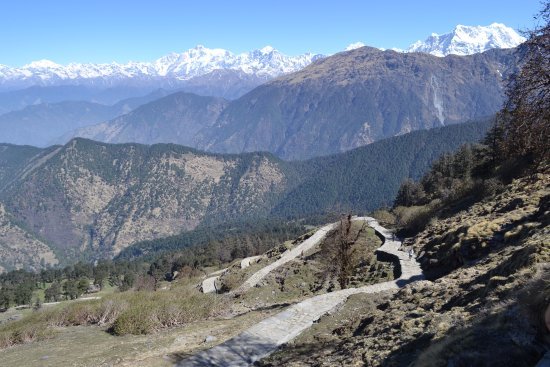
- Trekking routes in nearby hill pockets and Nainital offer panoramic views and a cooler climate—ideal for combining with Corbett on a longer itinerary.
Practical Tips for Indian Travellers
- Carry multiple photocopies of ID proofs for permit checks and hotel check-ins.
- If travelling from metropolises, consider overnight trains or a comfortable road journey with a stopover to avoid rush before early morning safaris.
- Engage local guides through authorised channels—this keeps money within the community and enhances the quality of your trip.
Whether you come for tigers, birds, or a serene dose of nature, Jim Corbett National Park rewards patience, curiosity and responsible travel. With its mix of terrain and wildlife, every visit can feel like a fresh discovery.
Planning ahead, respecting rules, and choosing sustainable options will make your Corbett experience memorable and meaningful—for you and for the park.