Chopta Travel Guide: The Meadows Below Tungnath
Chopta, the serene meadows beneath Tungnath and Chandrashila in Uttarakhand, is a year-round trekking paradise. This guide covers how to reach, best time to visit, trek details, accommodation, safety and local tips for a memorable mountain escape.
By TravMe Holidays travel team · · 7 min read
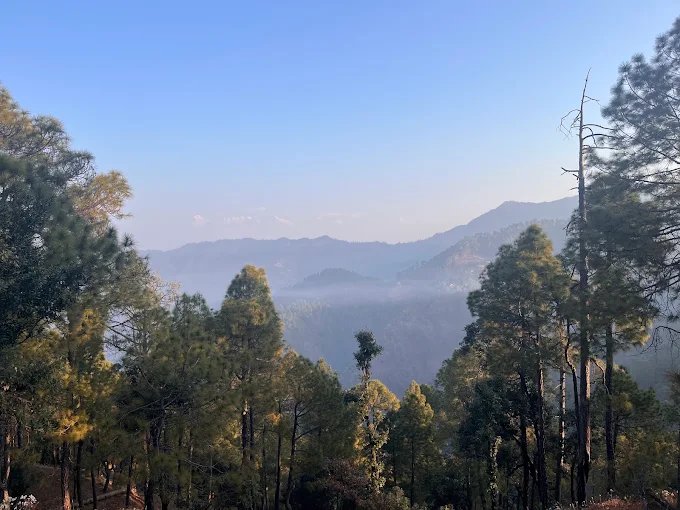
Chopta is often called the "Mini Switzerland of Uttarakhand" for good reason: rolling green meadows, dense rhododendron forests, and uninterrupted views of the Himalayan giants. Sitting like a pristine carpet below the sacred Tungnath temple and the wind-swept peak of Chandrashila, Chopta is perfect for short treks, photography, birdwatching and a gentle brush with high-altitude nature. This guide will help you plan a safe, comfortable and enriching visit to the meadows below Tungnath.
Why Chopta is unique
Unlike many crowded hill stations, Chopta retains an unhurried, rustic charm. It is a high-altitude meadow complex interspersed with silver birch and rhododendron trees offering seasonal colours. The area is a gateway to two popular highlights: Tungnath, the highest Shiva temple in the world, and Chandrashila, a short summit beyond the temple with panoramic Himalayan views that include Nanda Devi, Trishul and other massifs on clear days. Chopta’s proximity to the Rudraprayag-Ukhnimath highway makes it accessible without long, technical approaches, while still feeling remote and wild.
How to reach Chopta
By air
The nearest airport is Jolly Grant Airport, Dehradun. From there, it is a scenic road journey into the Garhwal hills. Road times vary depending on traffic and road conditions; plan for several hours of mountain driving. Book a private taxi or use a pre-arranged transfer to avoid uncertainty on arrival.
By train
Major railheads include Haridwar and Rishikesh. From either station you can hire a taxi or join a shared cab headed towards Rudraprayag or Ukhimath and onwards to Chopta. Rail-plus-road combinations are common for travellers from cities across India.
By road
Chopta is reachable by a motorable road that takes you right to small parking areas near the meadows. Regular bus and jeep services operate from nearby towns in the tourist season. If you’re driving, ensure your vehicle is suitable for mountain roads—chartered SUVs or proper small cars are recommended. Roads can be narrow with hairpin bends; drive cautiously and avoid night travel when possible.
Trek overview: Chopta to Tungnath and Chandrashila
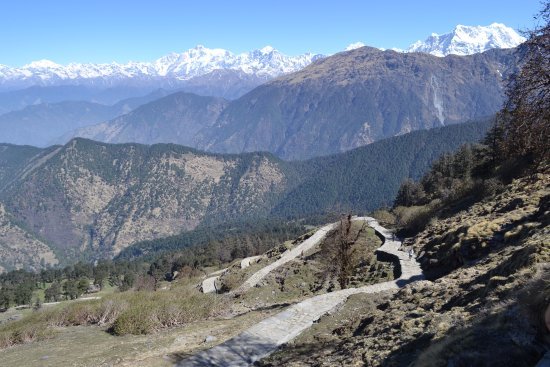
The trek from Chopta to Tungnath is a pleasant ascent through meadows and forests, suitable for regular walkers and families with older children. From Tungnath, a steeper stone-paved trail leads to Chandrashila, offering panoramic alpine views.
Distance and time
- Chopta to Tungnath: roughly 3–4 km one way, taking 1.5–3 hours depending on pace and breaks.
- Tungnath to Chandrashila: an additional 1–1.5 km, about 45 minutes to 1.5 hours depending on fitness and crowd.
Difficulty and fitness
The route is classed as easy to moderate. The trail is well-trodden and in parts paved with stone slabs, but you will gain altitude steadily—this is not a flat walk. Basic fitness, sturdy footwear and regular hydration are sufficient. Those with respiratory or cardiac conditions should consult a physician before attempting the trek.
Altitude considerations
Chopta sits at around 2,600–2,700 metres, Tungnath at approximately 3,680 metres and Chandrashila close to 4,000 metres. Even for short treks, be aware of mild altitude effects such as headache, nausea or breathlessness. Spend a few hours acclimatising at Chopta before ascending, ascend slowly, and stay hydrated. If symptoms worsen, descend immediately.
Best time to visit
- April to June: Spring and early summer bring rhododendron blooms, pleasant days and cool nights—ideal for trekking and photography.
- September to November: Post-monsoon clarity, stable weather and crystal-clear mountain views make autumn another excellent window.
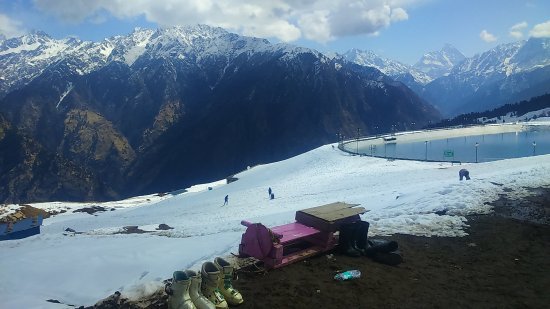
- December to February: Winter offers snow-clad meadows and frozen trails—spectacular but demanding. Roads may close after heavy snowfall, and only well-prepared visitors or guided groups should attempt winter trips.
- July to August (monsoon): Heavy rains make trails slippery and increase the risk of landslides; visibility can be poor. If you must go, check local conditions and avoid exposed sections.
Permits, rules and local etiquette
There are no special high-altitude permits required for Chopta in the way some protected areas demand, but it is important to follow local regulations and forest rules. Some areas may have a small nominal entry fee or parking charge—these support maintenance. Always:
- Respect temple customs at Tungnath—dress modestly and follow any instructions from priests or caretakers.
- Follow Leave No Trace: carry back all plastic, wrappers and non-biodegradable waste.
- Avoid loud music and preserve the peace of the meadows.
- Ask before photographing locals and religious rituals.
Where to stay
Accommodation ranges from basic guesthouses and tea-huts in Chopta to tents and seasonal campsites. Expect simple facilities—hot water and heating are seasonal and sometimes limited. If you prefer more comfort, stay in nearby towns where options are better; plan for a morning drive to reach Chopta early.
Staying tips
- Book in advance during peak seasons (spring and autumn).
- Choose locally-run guesthouses to support the community and enjoy home-cooked Garhwali food.
- If camping, use designated areas and hire an experienced local guide or operator who provides proper equipment.
Packing list
Pack for mountain weather which can change rapidly:
- Warm layers: fleece, down jacket, thermal innerwear.
- Waterproof shell or light jacket, especially in monsoon and early spring.
- Sturdy trekking shoes with good grip and gaiters for snow or mud.
- Sun protection: hat, sunglasses, sunscreen and lip balm.
- Basic first-aid kit, including medication for altitude sickness and personal prescriptions.
- Refillable water bottle, high-energy snacks and a headlamp for early starts.
- Portable power bank, camera, binoculars for birds and distant peaks.
Food, local cuisine and culture
Chopta and the surrounding villages offer homely Garhwali cuisine—simple, nutritious and perfect after a day of walking. Try local staples like rajma with rice, rotis, vegetables cooked with Himalayan spices, and hot teas. Hospitality is a strong local value; accepting an invitation to a meal or a cup of tea is a great way to experience village life. Respect local customs in temples, and dress conservatively when visiting religious sites.
Wildlife and flora
The Chopta-Tungnath corridor is rich in biodiversity. Look for high-altitude birds such as Himalayan monal, koklass pheasant and various thrushes. Mammal sightings include barking deer and occasionally Himalayan serow or musk deer in more secluded stretches. Rhododendron forests blaze with colour in spring, and alpine meadows host a variety of wildflowers and grasses. Keep a respectful distance from wildlife and avoid feeding wild animals.
Safety and responsible travel
Basic common-sense practices will keep your trip safe and enjoyable:
- Check weather forecasts and local road conditions before departure.
- Do not trek alone—join other trekkers or hire a local guide if unfamiliar with mountain terrain.
- Carry enough cash; many small shops and tea-huts may not accept cards.
- Stay on marked trails to avoid erosion and protect fragile alpine plants.
Tip: Start the trek early in the morning for clear views and softer light for photography. Afternoon clouds often roll in and obscure distant vistas.
Suggested itineraries
1. Weekend escape (2 days)
- Day 1: Arrive at Chopta, short walks around the meadows to acclimatise, overnight in a guesthouse or camp.
- Day 2: Early trek to Tungnath and Chandrashila, enjoy sunrise from the summit if weather permits, descend and depart by afternoon.
2. Leisurely three-day plan
- Day 1: Reach Chopta, explore local trails and birdwatch.
- Day 2: Full-day trek to Tungnath and Chandrashila with relaxed pacing, picnic on the summit, return to Chopta.
- Day 3: Visit nearby cultural spots or take a longer nature walk before departure.
Photography tips
- Golden hour (sunrise and sunset) provides the best light for meadows and peaks.
- Carry a wide-angle lens for panoramic mountain shots and a telephoto for bird or wildlife photography.
- Use a small tripod for low-light or long-exposure shots—wind can be strong near Chandrashila, so weight it down.
Final tips
Plan conservatively and give yourself extra time for mountain roads. Support local businesses—homestays, guides and porters appreciate fair wages and help sustain responsible tourism. Respect the fragile alpine ecosystem and leave the meadows as you found them so future travellers can enjoy the same pristine experience.
Whether you come for a spiritual visit to Tungnath, a photo expedition to Chandrashila, or simply to breathe in the thin, fragrant mountain air, Chopta offers a soulful Himalayan experience. With simple planning and a spirit of respect for nature and local culture, your time in the meadows below Tungnath will be memorable and restorative.