Jaipur to Pushkar Road Trip: Stops Worth Making
A practical guide to the Jaipur–Pushkar road trip, highlighting memorable stops such as Ajmer, Sambhar Lake and Kishangarh, plus tips on timing, food, photography and local culture.
By TravMe Holidays travel team · · Updated · 7 min read
The drive from Jaipur to Pushkar is a classic Rajasthan road-trip: less than four hours of travel but rich with forts, lakes, small-town charm and photogenic desert landscapes. Whether you want a quick detour or a relaxed day of discoveries, this guide maps out stops worth making, suggested timings and practical tips to get the most from your journey.
How to plan your route and timing
There are two common ways to drive from Jaipur to Pushkar: the more direct route via NH48 and NH458, and a scenic route that lets you take leisurely detours through towns such as Kishangarh and Sambhar. The distance is roughly 150–170 km depending on the exact route, so a straightforward drive takes around 3–4 hours. With stops, plan a full day or an overnight stay in Pushkar.
Best time to travel is between October and March when temperatures are pleasant and mornings are clear for photography. Avoid the peak summer months unless you’re prepared for high heat and earlier departures.
Top stops worth making en route
Below are the must-see stops ordered roughly as you would encounter them leaving Jaipur and heading south-west towards Pushkar.
Kishangarh – Ajmer district's marble and miniature painting hub
Kishangarh sits between Jaipur and Ajmer and is often overlooked, but it rewards curious travellers. The town is known for its marble processing industry and a distinctive style of miniature painting developed under royal patronage centuries ago.
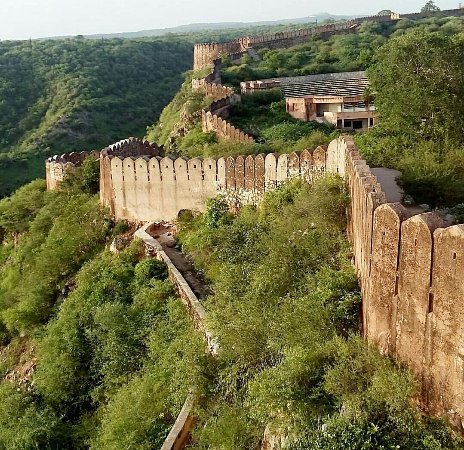
- Kishangarh Fort: A compact fort with ramparts and a small palace complex. It’s ideal for a short walk and offers a local flavour without the intensity of larger forts.
- Miniature painting ateliers: If you are interested in arts, ask around for small galleries or workshops. You can often see artists at work and pick up high-quality prints or originals.
- Marble showrooms: Even if you’re not buying, marble craftsmen often demonstrate polishing and carving techniques — useful for unique souvenirs or photography.
Sambhar Salt Lake – salt flats and seasonal birdlife
Sambhar is the largest inland salt lake in India and a fascinating landscape change from fortified towns. It lies to the west of the main highway and is worth a detour for the textures it offers — wide salt pans, refineries and, in winter, flocks of migratory birds including flamingos.
- Photographic opportunities: Early morning or late afternoon light casts long shadows on the salt flats and makes for dramatic photographs.
- Birdwatching: Winter months bring migratory species. Bring binoculars and a telephoto lens if you have one.
- Travel tip: The lake’s environment is fragile and sometimes industrial; stick to designated roads and avoid walking on active pans.
Ajmer – history, spirituality and lakeside charm
Ajmer is the major stop before Pushkar and combines history with spiritual significance. Even if you only have a couple of hours, there are a few highlights you shouldn’t miss.
- Ana Sagar Lake: A pleasant place for a short break. The lakeside gardens and scale of the lake make it a popular spot for locals and travellers alike.
- Ajmer Sharif Dargah: One of the most visited Sufi shrines in India. If you plan to visit, dress modestly and be prepared for crowds. The atmosphere is intense and moving regardless of faith.
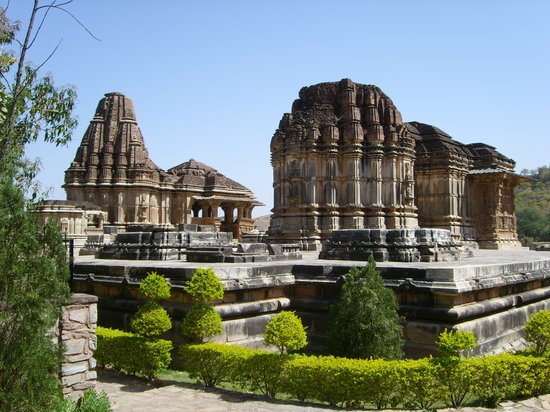
- Adhai Din Ka Jhonpra: An early medieval mosque with impressive pillars and a layered history — a quick but rewarding stop for architecture buffs.
- Taragarh Fort: For panoramic views of Ajmer, a short climb or drive up to Taragarh offers rewarding vistas and a sense of the city’s strategic setting.
Small towns and rural scenes – roadside experiences
Between Ajmer and Pushkar you’ll pass through villages and small towns with market stalls, roadside tea shops and craftswork. These micro-stops are great for snacks, chai and candid photography.
- Chai breaks: Stop at a dhaba or tea stall for local snacks like kachori or a plate of dal-bati in eateries that specialise in Rajasthani flavours.
- Local markets: Short detours into market lanes reveal textiles, brassware, and local produce. Small purchases support artisans directly.
Entering Pushkar – must-see places and experiences
Pushkar is compact but rich in experiences. Once you arrive, plan time for the lake, temples, and the surrounding hills.
- Pushkar Lake and ghats: The heart of the town. Walk around the ghats, witness local rituals and enjoy the tranquil ambience at sunrise or sunset.
- Brahma Temple: One of the few temples in India dedicated to Lord Brahma. It’s a short walk from the main ghats and worth visiting for its rarity and atmosphere.
- Savitri Temple: A viewpoint reached by a cable car or a climb; it offers panoramic views over Pushkar and its surroundings.
- Colourful bazaars: Pushkar’s markets are ideal for buying handicrafts, gypsy jewellery, rugs and embroidered textiles. Bargain politely and seek shops with clear returns or testimonials.
Suggested day itinerary
- Depart Jaipur early (6–7 am) to avoid city traffic and capture soft morning light on the way.
- First stop: Kishangarh for a short browse of ateliers and a tea break (1–1.5 hours).
- Next: Sambhar Lake for photos and birdwatching (45–90 minutes depending on interest).
- Late morning/early afternoon: Ajmer for Ana Sagar Lake and a quick visit to Ajmer Sharif or Adhai Din Ka Jhonpra (2–3 hours).
- Arrive Pushkar by late afternoon, check into your hotel and take an evening walk around the ghats and bazaars.
Driving tips and safety
- Road conditions: Highways are generally good between Jaipur and Ajmer; local roads to rural detours can be narrow and uneven. Drive defensively and expect sudden animal crossings near villages.
- Fuel and essentials: Fill up in Jaipur or Ajmer; fuel stations become sparser on minor routes. Carry water, sunscreen, and basic first-aid.
- Navigation: Offline maps are handy as mobile signal can be patchy in rural stretches. Follow local signboards when available.
- Respect local customs: Dress modestly, especially near temples and mosques, and ask permission before photographing people in markets or at religious sites.
Food stops and local flavours
Rajasthani cuisine is hearty and perfect for travellers. Look for small family-run eateries for genuine flavours:
- Breakfast options: Poha, kachori-sabzi or parathas with curd and pickles.
- Lunch: Try a thali in Ajmer for an assortment of local dishes, or sample dal-baati-churma if available.
- Snacks en route: Fresh corn, samosas or mirchi vada from roadside stalls. At Pushkar, rooftop cafés serve good chai and light meals with views of the lake.
Where to stay in Pushkar
Pushkar caters to a wide range of travellers. You’ll find lakeside guesthouses and boutique havelis for a peaceful stay, as well as budget hostels for backpackers. If you want tranquillity, choose accommodation near the eastern ghats; for nightlife and markets, stay close to the main bazaar and lake.
Optional detours and extended ideas
If you have extra time, consider:
- Abhaneri and Chand Baori: A bit further off the direct route but an unforgettable stepwell with dramatic geometry and a village temple complex.
- Nagaur Fort: Between Ajmer and Jodhpur, Nagaur offers a large fort and a lively market — suitable if you’re extending the trip westwards.
- Pushkar Camel Fair: A seasonal highlight (usually in November). If your trip coincides, book accommodation early and prepare for crowds and a unique cultural experience.
Travel note: The Jaipur–Pushkar drive is short but full of surprises — allow time for spontaneous detours and conversations. Often the best memories are made at small roadside tea stalls and quiet ghats at sunset.
With planning and a flexible itinerary, this road trip becomes more than just transit: it’s a sequence of sensory moments — salt-sparkled flats, centuries-old shrines, bustling bazaars and the serene circle of Pushkar Lake. Pack a camera, a sense of curiosity and a willingness to slow down.
Conclusion: The Jaipur to Pushkar road trip is ideal for a day excursion or a relaxed overnight escape. Make time for Ajmer’s spirituality, Kishangarh’s crafts and Sambhar’s open landscapes, and arrive in Pushkar ready to explore its lakeside calm and colourful markets.