How to Travel From Jaipur to Udaipur: All Options Explained
A practical guide covering every way to travel from Jaipur to Udaipur—flights, trains, buses, taxis, self-drive and scenic road routes—plus tips on stops, timing and bookings.
By TravMe Holidays travel team · · Updated · 7 min read
Travelling from Jaipur to Udaipur is a classic Rajasthan route that moves you from the pink city’s lively bazaars to the tranquil lakes and palaces of the City of Lakes. This guide explains every sensible way to make the journey—how long each option takes, what to expect en route, where to stop for sight-seeing, plus practical tips on tickets, safety and timing to help you choose the best mode for your travel style.
Overview: Distance, time and what to expect
The direct road distance between Jaipur and Udaipur is roughly 390–420 kilometres depending on the route. Travel time varies widely by mode: flights take about 1 hour in-air (plus airport formalities), trains typically 6–8 hours for the faster services and longer for slower trains, while road journeys range from about 6.5–10+ hours depending on stops and traffic. The landscape changes from semi-arid plains and historic towns near Jaipur to the granite hills, forests and lakes of southern Rajasthan near Udaipur, which makes the road trip especially rewarding for travellers who enjoy scenic detours.
By air: Fastest but needs planning
What to expect
Flights between Jaipur International Airport (JAI) and Maharana Pratap Airport, Udaipur (UDR) are the quickest option. Block out time for airport transfers, security and boarding—door-to-door time is usually longer than the in-air time suggests. Domestic flights are frequent on many days, and connections are straightforward.
When to choose a flight
- If you have limited time and want to maximise your stay in Udaipur.
- When you’re connecting to further destinations and prefer shorter transit times.
- If you prioritise comfort over cost, particularly in extreme summer heat.
Booking tips
- Book early for the best fares and seat selection.
- Consider the total transfer time to and from airports—Udaipur’s airport is a short drive to the city, while Jaipur’s airport is a bit farther out.
- Check baggage allowances and peak-season demand, especially around festivals.
By train: Comfortable and scenic
Types of trains
There are several train options ranging from express and superfast services to slower passenger and mail trains. Some overnight trains offer sleeper classes that can be economical and restful if you prefer to travel by night.
Duration and comfort
Faster trains cover the route in about 6–8 hours; slower trains take longer. Air-conditioned coaches (AC 1/2/3) provide greater comfort on hot days, while sleeper classes are a budget-friendly option. Trains are a great way to enjoy changing landscapes without driving.
Practical tips
- Book via the official Indian Railways website, IRCTC, or reputable third-party apps well in advance, especially during peak travel periods.
- Station transfers in both cities are relatively straightforward; allow time for local traffic when planning connections.
- Keep valuables secure and carry a water bottle and light snacks for longer journeys.
By road: Bus, taxi, private car or self-drive
Buses
State-run and private buses ply the Jaipur–Udaipur corridor. Options vary from ordinary non-AC buses to deluxe and Volvo AC coaches. Buses are economical and run frequently, but travel times are longer and comfort varies by operator.
Private taxi or car hire
Hiring a private taxi provides flexibility. You can choose cab types from sedans to SUVs and negotiate stops en route. Drivers often know local routes and scenic detours, which is handy for first-time travellers to Rajasthan.
Self-drive
Self-driving is an excellent choice if you enjoy road trips. The main highways are generally in good condition, and the route offers enticing stops like Ajmer, Pushkar, Ranakpur and Chittorgarh. Be prepared for occasional uneven patches, livestock or slow-moving vehicles on rural stretches. International-style driving distractions (like erratic overtaking) are less common on major highways but remain a reality—drive defensively.
Duration and ideal plan
Non-stop driving typically takes about 6.5–8 hours depending on the route and traffic. If you want to explore, plan a two-day itinerary with an overnight stop along the way to rest and visit attractions.
Scenic road routes and recommended stops
There are two main road routes that travellers favour:
- Via Ajmer–Beawar–Nathdwara: This is a fairly direct route and passes Ajmer and Pushkar early on. It’s good for travellers who want a quick connection with a chance to visit Pushkar’s ghats and bazaars.
- Via Chittorgarh–Nathdwara: A longer route but rich in history, taking you past Chittorgarh Fort and the marble temples of Ranakpur if you divert slightly. Ideal for history and architecture enthusiasts.
Top stop suggestions
- Ajmer: Famous for Ajmer Sharif Dargah and nearby Pushkar—visitors often include both in a day trip.
- Pushkar: A serene town with the Pushkar Lake, Brahma Temple and vibrant evening markets.
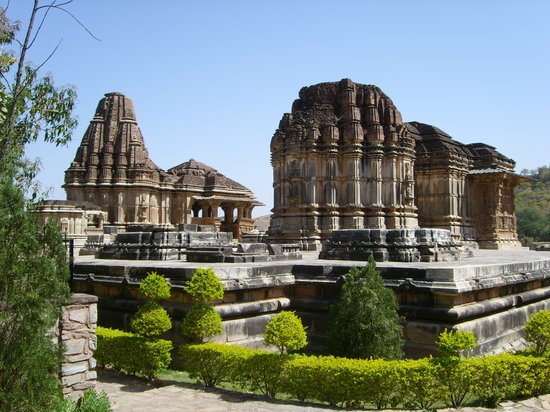
- Ranakpur: If you can detour, the beautifully carved Jain temples are worth the extra hours.
- Chittorgarh: A major fort complex steeped in Rajput history and dramatic views.
- Nathdwara: Home to the famous Shrinathji temple; a cultural stop before you reach Udaipur.
Shared cabs and ride-hailing
Shared taxis and app-based intercity services are available between major cities. They offer a balance between cost and comfort and are useful for small groups or solo travellers who prefer point-to-point travel without dealing with long bus or train schedules. Availability can vary, so book in advance where possible and confirm prices and pickup points.
Choosing the best option for you
- Short on time: Fly. It’s the fastest way to reach Udaipur with minimal travel fatigue.
- Budget-conscious: Train or bus. Trains give comfort at reasonable cost; non-AC buses are cheapest.
- Weekend getaway or scenic leisure trip: Self-drive or hire a private taxi so you can stop at historic towns and viewpoints.
- Comfort and convenience: AC Volvo buses or private taxis offer comfortable door-to-door service.
Seasonal considerations and best time to travel
Rajasthan’s climate affects travel comfort. Winters (November to February) are the most pleasant—daytime temperatures are cool, ideal for sightseeing and road trips. Summers (April to June) can be very hot, making air-conditioned travel preferable. Monsoon season brings greener scenery in southern Rajasthan and cooler temperatures but also occasional road disruptions—check local conditions if you travel in the rains.
Practical travel tips
- Carry water, sun protection and light clothing in summer; a warm layer is handy in winter mornings and evenings.
- Book train and flight tickets well in advance for peak seasons or long weekends.
- If driving, ensure your vehicle has a spare tyre and emergency kit; check fuel stations on your chosen route.
- Respect local customs—modest dress is appreciated at religious sites like temples, dargahs and gurudwaras.
- Confirm pickup/drop-off points with drivers, especially for early-morning or late-night departures.
- Keep digital and physical copies of ID and tickets; many services require ID for domestic travel.
Tip: If time allows, split the journey over two days to include Ajmer–Pushkar or Ranakpur—Rajasthan’s smaller towns add depth to the big-city palace experience of Udaipur.
Safety and accessibility
Major transport modes are generally safe for solo travellers and families. Train travel offers reserved berths and ladies’ coaches in many services. For road travel, choose reputable bus operators and verified taxi services. Accessibility for passengers with reduced mobility varies—check the service provider in advance to confirm facilities such as wheelchair access and assistance at stations and airports.
Sample itineraries
One-day fast option
- Early flight from Jaipur to Udaipur or a morning fast train; arrive in time for an afternoon boat ride on Lake Pichola and an evening palace visit.
Two-day relaxed road trip
- Day 1: Drive from Jaipur to Ajmer/Pushkar, explore, overnight stay.
- Day 2: Continue to Udaipur via Nathdwara or Ranakpur, stop for temple/fort visits, arrive Udaipur by evening.
Final recommendation
There is no single “best” way to travel from Jaipur to Udaipur—your choice depends on time, budget and travel style. Fly for speed, train for a balanced mix of comfort and economy, and drive for flexibility and scenic exploration. If you’re on a first trip to Rajasthan and can spare the time, combining road travel with brief stops at Ajmer, Pushkar or Ranakpur adds memorable local flavour to the palace-focused experience of Udaipur.
Whichever route you pick, plan your bookings early during peak season, keep a relaxed pace on the road and allow time to soak in Udaipur’s lakeside charm when you arrive.