How to Reach Nusa Penida From Bali by Fast Boat
Practical, step-by-step guide to reaching Nusa Penida from Bali by fast boat, covering departure points, operators, ticketing, timings, transfers, safety tips and what to do on arrival.
By TravMe Holidays travel team · · Updated · 7 min read
Nusa Penida, with its dramatic cliffs, turquoise bays and quiet villages, is one of Bali’s most compelling neighbouring islands. The quickest and most popular way to reach it is by fast boat. This guide walks you through the different departure points in Bali, how to book and prepare for the ride, what to expect on arrival and practical tips for a smooth trip.
Why choose the fast boat to Nusa Penida?
The fast boat is the preferred option for most travellers because it is relatively quick, frequent and widely available from several points around southern Bali. Compared with public ferries, fast boats are more convenient for day trips and short stays: they have comfortable seating, shorter crossing times and often include basic transfer services from Bali hotels. For many visitors coming from Kuta, Seminyak, Jimbaran or Uluwatu, the fast boat offers the best balance of speed and convenience.
Departure points in Bali
There are three main departure areas from Bali to Nusa Penida. Each has its own advantages depending on where you are staying and how early you want to leave.
Sanur
Sanur is the most common and convenient departure point for tourists staying in central and south-east Bali. The harbour has organized fast boat terminals with regular daily crossings. Sanur-to-Nusa Penida crossings are relatively sheltered and suitable for travellers who prefer a steadier ride. Many operators provide scheduled departures throughout the day, including early morning sailings for day-trippers.
Padangbai
Padangbai on the east coast is closer to the eastern parts of Bali and useful for travellers coming from Candidasa, Amed or Ubud. The crossing from Padangbai can be efficient if you are staying in eastern Bali, and it offers some alternative schedules that may suit your itinerary.
Serangan / Benoa / Sanur variants
Some operators use smaller launching points such as Serangan or Benoa (in the south near Nusa Dua) as pick-up locations. These are handy if you are staying in southern resorts like Nusa Dua, Jimbaran or the Bukit Peninsula. Always confirm your hotel pickup point when booking, as transfers may add time to your overall journey.
Fast boat operators and booking
There are several reputable fast boat companies operating to Nusa Penida. When choosing an operator, consider safety record, customer reviews, on-time performance and whether they include transfers. Most companies sell tickets online, via local travel agents or at ticket counters in departure harbours.
What to check before booking
- Included transfers: Does the ticket include hotel pickup and drop-off? If yes, what are the pickup windows?
- Departure and return times: Confirm the exact sailing times, especially if you plan a day trip.
- Arrival pier on Nusa Penida: Check whether the boat lands at Toya Pakeh, Sampalan, or another jetty—this affects onward travel time on the island.
- Referrals and reviews: Read recent traveller reviews to gauge reliability and customer service.
- Refund and cancellation policy: Note policies for rough seas or operator cancellations.
How long is the crossing?
Crossing times depend on the departure point, sea conditions and the final landing pier. Typical durations are:
- Sanur to Nusa Penida: around 30–45 minutes
- Padangbai to Nusa Penida: approximately 30–60 minutes depending on route
- Serangan/Benoa routes: timings vary, often 30–60 minutes
Keep in mind that rough sea conditions can extend the journey and occasionally lead to cancellations; always allow buffer time in your schedule.
What to expect at the departure harbour
Arrive at least 30–45 minutes before the scheduled departure. Ticket counters will verify your reservation and provide boarding instructions. Most harbours have basic facilities: restrooms, small cafés and small shops. If your booking includes a hotel transfer, drivers usually collect passengers from designated points—confirm the exact pickup time and location the evening before.
Onboard experience and safety
Fast boats are built for speed and comfort, but the ride can still be choppy. Operators provide life jackets and brief safety instructions before departure. For a comfortable crossing:
- Choose a mid-row seat for less motion than the front or rear.
- Keep a small bag with essentials—water, sunscreen, sunglasses and any medication for motion sickness.
- If you are prone to seasickness, take preventive medication 30–60 minutes before boarding or use acupressure bands.
Baggage and luggage rules
Most operators allow small to medium luggage—suitable for overnight and short stays. Larger suitcases may be restricted or incur an additional fee. If you’re carrying camera gear or valuable items, keep them with you in a small daypack. On arrival at Nusa Penida, getting your luggage off the boat can involve a short scramble across shallow water; pack accordingly.
Arrival piers on Nusa Penida and onward transport
Nusa Penida has a few main landing points. Two common ones are:
- Toyapakeh (Toyapakeh Harbour): A busy arrival point close to popular western and northern attractions. It’s often used for day-trips and is well-served by local drivers and scooter rentals.
- Sampalan (Sampalan Harbour): Located near the main town; this pier is convenient for those heading to central and eastern parts of the island.
On arrival you will be greeted by local operators offering onward transportation. Options include:
- Scooter rental: The most flexible and economical choice for independent travellers. Ensure you have an international driving permit or adequate local licence, wear a helmet, and account for rough and steep roads.
- Private driver/car hire: Ideal for groups, families or those who prefer not to ride a scooter. Drivers usually offer half-day or full-day tours to popular spots.
- Shared shuttle: Less common but sometimes arranged by hotels or larger boat operators.
Planning a day trip vs. overnight stay
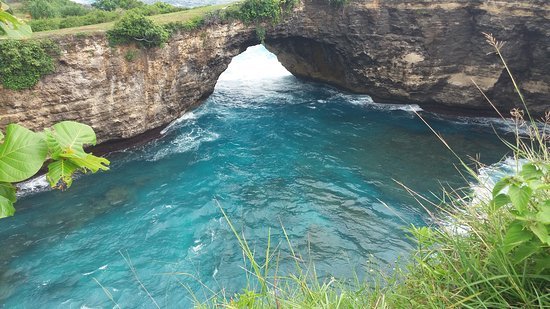
Day trips from Bali are very popular and feasible, especially with early morning departures. A typical day trip allows you to see a few highlights such as Kelingking Beach viewpoint, Angel’s Billabong, Broken Beach and Crystal Bay. However, roads on Nusa Penida are rough and travel between sites can take longer than expected. Consider staying overnight to explore at a relaxed pace and catch a sunset or sunrise—this will reduce time pressure and let you absorb the island’s scenery.
Safety and local customs
Nusa Penida is generally safe, but the island’s infrastructure is less developed than Bali’s. Key safety points:
- Roads are steep, narrow and sometimes unpaved—drive cautiously and avoid riding at night.
- Always wear a helmet on scooters and check brakes and lights on rental bikes.
- Respect local customs and temples—dress modestly when visiting religious sites and ask before taking photos of worshippers.
- Carry cash: ATMs are limited on the island, so bring enough rupiah for food, transport and small purchases.
Tip: If you’re travelling from India, consider flights into Bali that arrive the night before and stay in Sanur or Kuta for an early morning pick-up. This reduces travel stress and gives you more time on Nusa Penida.
Alternatives to the regular fast boat
If you prefer extra comfort or flexibility, consider a private speedboat charter. Charters can depart from various points, can be customised for timing and landing locations, and are great for groups celebrating special occasions. Another option is to take the conventional car ferry from Padangbai to fewer small islands, but for Nusa Penida the fast boat remains the most practical option for most travellers.
Booking checklist
- Confirm your preferred departure harbour (Sanur, Padangbai or southern launch points).
- Compare reputable operators and read recent reviews.
- Check what’s included—hotel transfer, luggage allowance and insurance.
- Arrive early at the harbour or confirm hotel pickup time.
- Carry cash for local expenses and tip the driver if service was helpful.
- Plan your return trip with enough buffer for sea delays.
Useful practical tips
- Bring sunscreen, water and snacks for longer island days—shops at remote spots may be limited.
- Wear comfortable, sturdy footwear for cliff viewpoints and beach access.
- Keep a photocopy or photo of important documents (passport and visa) stored separately from originals.
- If you need medical attention, familiarise yourself with the nearest clinic or hospital on Nusa Penida before you travel.
With its dramatic landscapes and relaxed pace, Nusa Penida rewards a little extra planning. Choosing the right fast boat, checking schedules and preparing for local conditions will help you enjoy the island to the fullest.
Safe travels—and if you need help planning transfers or a customised itinerary from any part of Bali, TravMe Holidays can arrange reliable fast boat tickets and island transport to suit your schedule.