How to Plan a Sikkim Trip From Scratch: A Step-by-Step Guide
A practical, step-by-step guide to planning a Sikkim trip from scratch—covers when to go, permits, transport, sample itineraries, packing, accommodation and responsible travel tips for Indian travellers.
By TravMe Holidays travel team · · Updated · 7 min read
Sikkim is a compact Himalayan jewel that rewards careful planning: dramatic mountain vistas, high-altitude lakes, monasteries and a unique culture shaped by Tibetan and Nepali traditions. This guide walks you through every step—from paperwork and best season to route options and packing—so you can design a Sikkim trip that suits your time, pace and interests.
Why choose Sikkim?
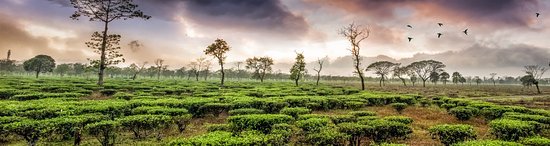
Sikkim offers a rare mix of serene landscapes, biodiversity and accessible high-altitude experiences. You can sip tea in terraced valleys, trek among rhododendron forests, visit living monasteries and stand on viewpoints that reveal Kanchenjunga’s snowy ridgeline. It’s ideal for travellers seeking nature, culture and gentle adventure without the crowds of bigger Himalayan states.
Decide when to travel
Timing shapes everything—what you see, how comfortable you are at altitude and which roads are open.
- Spring (March–May): Best for rhododendrons, clear skies and moderate temperatures. Popular for short treks and sightseeing.
- Summer/Monsoon (June–September): Lush valleys and lower prices, but watch for landslides and clouded mountain views. Some high passes may be inaccessible.
- Autumn (October–November): Peak season with crystal-clear views of the Himalaya after the monsoon—excellent for photography and festivals.
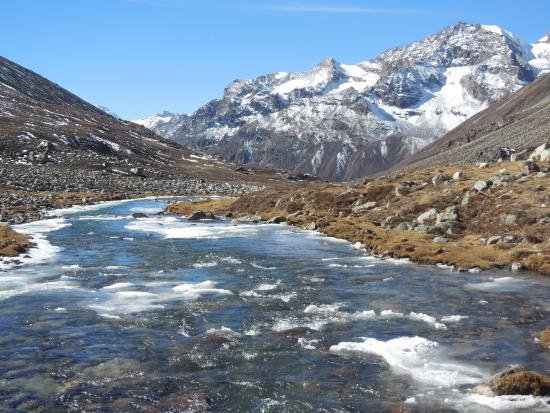
- Winter (December–February): Cold, with possibilities of snow in higher reaches. Lower tourist footfall and a serene experience, but some routes and attractions near high passes may close.
Permits and documentation
Sikkim requires permits for many destinations—plan this step early, especially for foreign nationals.
Indian nationals
Indians need an Inner Line Permit (ILP) or Protected Area Permit (PAP) for certain border regions such as North Sikkim (Lachung, Lachen, Gurudongmar) and areas near Nathula. For mainstream routes like Gangtok and Yuksom, formal permits are not always required, but some attractions require registration at checkposts.
Foreign nationals
Most foreigners must obtain a Protected Area Permit to enter Sikkim and additional permits for restricted zones. Apply these through registered travel agents, Sikkim Tourism counters, or the Ministry’s online portals where available. Always carry passport and visa copies while travelling.
How to get permits
- Contact Sikkim Tourism offices in Gangtok or Guwahati or use a local travel agent to process permits.
- Keep digital and printed copies; checkpoints commonly request to see them.
- Apply at least a few days before travel for popular high-altitude permits—weekends and festival periods can slow processing.
How to reach Sikkim
Sikkim is landlocked; common access points are by air to Bagdogra (West Bengal) or by rail and road via New Jalpaiguri (NJP).
By air
Bagdogra (IXB) is the nearest major airport. From Bagdogra, it’s a road transfer of several hours to Gangtok. Helicopter services and limited regional flights may connect to Pakyong Airport (near Gangtok) depending on schedules—check current services before booking.
By train
New Jalpaiguri (NJP) and Siliguri are the main railheads. From there, you can hire a private taxi or use shared cabs to Gangtok and other border towns; roads are scenic but can be slow depending on terrain.
By road
Regular bus and taxi services connect Sikkim with neighbouring West Bengal and Assam. Within Sikkim, roads vary from well-paved stretches to narrow mountain tracks; plan extra travel time for checkposts and weather delays.
Getting around within Sikkim
Internal travel includes taxis, shared jeeps and private drivers. Public buses operate on major routes but may be slow for itinerary-driven travellers.
- Private taxi: Best for flexibility and comfort, especially for families and groups.
- Shared jeeps/buses: Cost-effective and authentic local experience, but schedules are less predictable.
- Permits and checkposts: Some vehicles must register at checkposts; ensure your driver handles local formalities.
Choose your Sikkim itinerary
Sikkim can be explored as an east-to-west loop or as focused circuits. Below are sample itineraries based on time and interest.
Short trip: 4–5 days (Best for first-timers)
- Day 1: Arrive Bagdogra/NJP → Transfer to Gangtok (acclimatise, explore MG Road, Enchey Monastery).
- Day 2: Gangtok local (Rumtek Monastery, Namgyal Institute, Tashi Viewpoint, local markets).
- Day 3: Day trip to Tsomgo Lake and Baba Mandir or Nathula (if permits available).
- Day 4: Transfer to nearby valley—Namchi or Pelling for scenic contrast; or depart for home.
Classic circuit: 7–9 days (Balanced sightseeing)
- Day 1–2: Gangtok arrival and sightseeing.
- Day 3: Transfer to North Sikkim base (Lachung/Lachen) — acclimatisation and village walk.
- Day 4: Excursion to Yumthang Valley / Shingba Rhododendron Sanctuary.
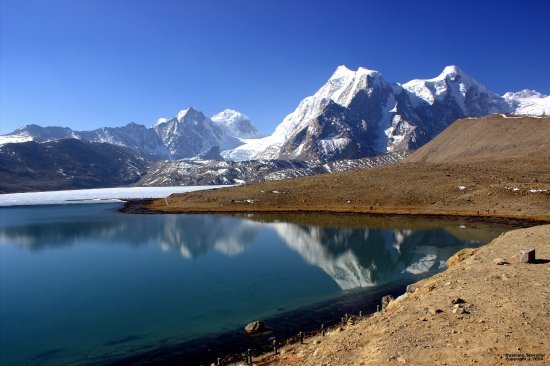
- Day 5: Gurudongmar Lake (early start) and return to Lachen/Lachung.
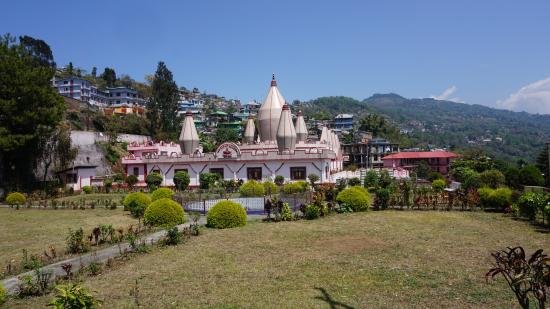
- Day 6–7: Drive to Pelling/Yuksom — viewpoints, Pemayangtse Monastery, Khecheopalri Lake.
- Day 8–9: Return via Namchi or drive back to NJP/Bagdogra.
Adventure & culture: 10–14 days (Includes trekking)
Combine moderate treks in Dzongri or Goecha La with cultural stays in Gangtok and monastery visits. Book treks with registered operators who provide permits, guides and porters.
Where to stay
Sikkim has accommodation ranging from homestays and guesthouses to mid-range hotels and luxury lodges. Choose based on these factors:
- Location: Stay in Gangtok for convenience, Pelling for mountain views, and Lachung/Lachen for North Sikkim access.
- Altitude considerations: For high-altitude nights, check heating and oxygen availability if sensitive to cold or altitude.
- Book early: Peak seasons and festivals fill up quickly—reserve rooms in advance for popular dates.
Packing checklist and practical tips
Pack smart for variable mountain weather and permit-related needs.
- Layered clothing: base layers, fleece, windproof jacket and a warm down jacket for early mornings and higher passes.
- Thermals, woollen socks, gloves and a warm hat for winter/early mornings.
- Sturdy walking shoes or light trekking boots and a pair of comfortable sandals.
- Sun protection: sunglasses, high-SPF sunscreen and a brimmed hat—UV is stronger at altitude.
- Basic medicines, altitude sickness medication (consult your doctor), insect repellent and a personal first-aid kit.
- Chargers and powerbank—electricity can be intermittent in remote areas.
- Copies of permits, ID proofs and emergency contact numbers (both digital and printed).
Health, safety and acclimatisation
Altitude and remoteness are the main concerns. Take these precautions:
- Allow at least a day to acclimatise in Gangtok before higher-altitude excursions.
- Recognise symptoms of acute mountain sickness—headache, nausea, dizziness—and descend immediately if they worsen.
- Stay hydrated and avoid heavy meals and alcohol before high-altitude travel.
- Travel insurance that covers high-altitude rescue and medical evacuation is strongly recommended.
Budgeting and money matters
Sikkim is affordable compared to many mountain destinations, but costs vary by season, transport choice and accommodation level.
- Cash is still widely used in smaller towns and markets; carry some rupees for remote areas.
- ATMs are available in Gangtok and larger towns—do not rely on finding cash in remote villages.
- Hiring a private taxi for multiple days often works out cost-effective for groups; for solo travellers, consider shared jeeps or joining organised tours.
Responsible travel in Sikkim
Sikkim is ecologically sensitive and culturally distinct—leave a positive footprint.
- Respect local customs and dress modestly at monasteries and villages.
- Avoid single-use plastics and dispose of waste responsibly. Carry a reusable water bottle and use water purification tablets if needed.
- Support local businesses: eat at local eateries, buy handicrafts from community cooperatives and use registered local guides.
- Stay on marked trails and avoid disturbing wildlife or plant life, especially in protected areas and rhododendron forests.
Tip: If you plan to visit remote northern valleys like Yumthang or Gurudongmar, book your permits and transport through a reliable local operator who understands checkpost regulations and altitude safety.
Sample travel timeline and checklist
A quick checklist to follow roughly two to four weeks before departure:
- Finalise dates and book flights/trains to Bagdogra/NJP.
- Contact Sikkim Tourism or a local agent to arrange permits if required.
- Reserve accommodation and internal transport or a private vehicle for your route.
- Prepare necessary medicines and consult a doctor about altitude precautions.
- Pack layered clothing, documents, and cash; inform family of your itinerary and emergency contacts.
Conclusion
Planning a Sikkim trip from scratch demands attention to timing, permits and altitude preparedness, but the rewards—pristine lakes, vibrant cultures and close-up Himalayan vistas—are immense. Decide your pace, pick a reliable local partner for permits and transport, pack thoughtfully and respect the fragile environments you visit. With careful planning, your Sikkim trip will be smooth, safe and unforgettable.