How to Plan a Bali Trip From India Step by Step
A practical, step-by-step guide for travellers from India planning a Bali trip—covering when to go, visas, flights, itineraries, accommodation, local transport, health, packing and money tips to make your holiday smooth and memorable.
By TravMe Holidays travel team · · Updated · 6 min read
Bali is an intoxicating mix of rice terraces, temples, surf beaches and vibrant culture. For travellers from India, planning a Bali trip can be straightforward with the right preparation: choosing the best time to visit, sorting visas and flights, making an itinerary that matches your interests, and understanding local logistics. This guide walks you through every step so you can travel confidently and enjoy Bali to the fullest.
1. Decide the best time to visit Bali
Understanding Bali’s seasons helps you align your expectations for weather, crowds and activities.
Dry season (April to September)
Warm, sunny days and lower rainfall make this the most popular time for beaches, diving, trekking and outdoor sightseeing. Expect higher visitor numbers around school holidays and public festivals.
Wet season (October to March)
Short, heavy rain showers are common, with hot and humid conditions. This is a quieter period with greener landscapes and fewer tourists—good for affordable stays and a relaxed pace, though some outdoor plans may be affected.
Consider local events and festivals
Balinese festivals like Nyepi (the Day of Silence) and temple anniversaries can be fascinating cultural experiences but may affect transport and shop openings. Check festival dates before booking.
2. Visa and entry requirements for Indian travellers
Indian passport holders should check the latest visa policy before travelling. Most visitors to Bali (Indonesia) can obtain a visa on arrival or apply for an e-visa, depending on current regulations. Ensure your passport has at least six months validity from the date of entry and one or two blank pages.
Documents to prepare
- Valid passport (minimum six months validity)
- Return or onward flight tickets
- Hotel bookings or an address of stay
- Proof of sufficient funds if requested
3. Booking flights: tips to find the best option
Direct and connecting flights from major Indian cities to Bali (Ngurah Rai International Airport, DPS) are widely available. Popular transit points include Kuala Lumpur, Singapore, Bangkok and Jakarta. Follow these tips:
- Book 2–4 months ahead for peak season; look for last-minute deals during off-peak times.
- Compare flight comparison sites and airline bundles—consider baggage allowance and transit times.
- Check transit visa requirements for layovers if applicable.
4. Plan an itinerary based on trip length and interests
Bali offers varied experiences—beach relaxation, surfing, cultural exploration, nature treks and wellness retreats. Here are sample itineraries to suit popular trip durations.
5–7 day sample itinerary
- Day 1: Arrive in Denpasar; transfer to Seminyak or Kuta to unwind.
- Day 2: Beach day and sunset at Tanah Lot or Seminyak beach.
- Day 3: Ubud—visit rice terraces, Monkey Forest, and local markets.
- Day 4: Day trip to Tegallalang rice terraces and a coffee plantation.
- Day 5: East Bali—Besakih Temple or Tirta Gangga water palace (or free day).
- Day 6: Nusa Dua/Uluwatu—clifftop temple and Kecak dance at sunset.
- Day 7: Departure or extra beach time before flying out.
10–12 day sample itinerary
- Base in Seminyak/Kuta/Legian for beach and nightlife.
- Explore Ubud and central highlands—mountain treks and art villages.
- Head to East Bali for culture and quieter beaches.
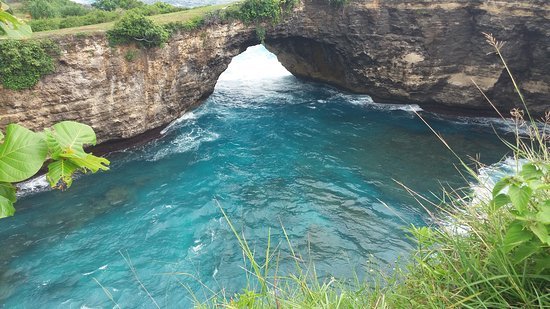
- Ferry to Nusa Lembongan or a day trip to Nusa Penida for dramatic cliffs and snorkelling.
- Finish in Uluwatu for surf breaks and cliffside sunsets.
5. Where to stay: choosing the right area
Bali’s neighbourhoods suit different moods and budgets. Choose based on what you want to do most.
- Kuta, Seminyak, Legian — lively beaches, shopping, dining and nightlife.
- Ubud — culture, rice terraces, yoga and art galleries; quieter at night.
- Uluwatu — surf, clifftop views and luxury villas.
- Nusa Dua — family-friendly resorts and calm beaches.
- East Bali (Amlapura, Candidasa) — temples, traditional villages and tranquillity.
6. Local transport: getting around Bali
Bali transport options are flexible but mixed. Plan transfers and local travel in advance, especially during busy seasons.
- Airport transfers: Pre-book a transfer through your hotel or a trusted operator for convenience on arrival.
- Book a car with driver: A popular and cost-effective way to explore—drivers act as guides and know local routes.
- Ride-hailing apps: Gojek and Grab operate widely for short trips; availability can vary by area.
- Motorbike rental: Very common for independent travellers; ensure you have an international driving permit and wear a helmet.
- Ferries: For Nusa Penida, Lembongan and Lombok—book reputable operators and check schedules.
7. Money matters: currency, cards and costs
The currency is Indonesian Rupiah (IDR). Carry some cash for markets and local vendors, but cards work widely at hotels, larger restaurants and shops.
- Inform your bank of travel to avoid blocked cards.
- ATMs are widespread but watch out for fees; use bank-affiliated ATMs.
- Tipping is appreciated but not mandatory—small tips for guides, drivers and service staff are common.
8. Health, safety and travel insurance
Prioritise health and safety planning before you depart.
- Get travel insurance that covers medical evacuation and activities like surfing or trekking.
- Carry a basic first-aid kit and any prescription medicines in original packaging.
- Use mosquito repellent and consider vaccinations as advised by your healthcare provider.
- Practice water safety—swim only at patrolled beaches and be cautious of rip currents.
9. Packing checklist for Bali
Pack light, breathable clothing suitable for tropical weather and temple visits.
- Light cotton clothes, swimwear and a sarong (useful for temple visits).
- Comfortable walking shoes, sandals and reef-safe sunscreen.
- Power adapter (Indonesia uses type C and F plugs; check your devices).
- Rain jacket for sudden showers during the wet season.
- Reusable water bottle, hand sanitiser and insect repellent.
10. Respecting local culture and etiquette
Bali is deeply cultural with Hindu traditions. Observing local customs will enrich your experience.
- Dress modestly at temples—cover shoulders and knees; a sash may be required.
- Remove footwear before entering temple compounds and some homes.
- Be mindful when taking photographs—ask permission, especially during ceremonies.
- Use your right hand for giving or receiving items when in formal situations.
Tip: Learning a few Balinese or Indonesian phrases like terima kasih (thank you) and selamat pagi (good morning) goes a long way with locals.
11. Booking and money-saving tips
- Compare accommodation across platforms and check recent guest reviews for service and location.
- Book popular activities (Mount Batur trek, Nusa Penida day tours) in advance in peak season.
- Consider splitting your stay between two regions (Ubud + beach) to experience both culture and coast without constant transfers.
12. Final checklist before you leave
- Confirm flight times, visa requirements and hotel bookings.
- Carry print or digital copies of important documents: passport, e-visa, insurance, and emergency contacts.
- Notify family or friends of your itinerary and contact details.
With sensible planning, Bali is an accessible and rewarding destination from India. Whether you crave sunrise mountain treks, serene rice paddies, temple rituals or surf-and-sand relaxation, this island has something to suit every traveller. Pack thoughtfully, respect local culture, and allow time to slow down—Bali often rewards the curious and unhurried visitor.
Safe travels and selamat jalan — enjoy your Bali holiday!