Getting Around Varanasi: Boats, E-Rickshaws and Walking the Ghats
A practical guide to navigating Varanasi by boat, e-rickshaw and on foot — where to board, what to expect on the ghats, safety and etiquette tips, and how to make the most of river and lane travel in the holy city.
By TravMe travel team · · 6 min read
Varanasi is a city you experience with your feet and your senses. Narrow lanes burst into riverside steps, morning mist rises over boats, and the soundscape of bells and chants blends with the oars dipping into the Ganga. Getting around here is as much part of the journey as the destinations — and the best ways to explore are by boat, e-rickshaw and simply walking the ghats.
Why transport choices matter in Varanasi
Varanasi’s old city is dense, with labyrinthine alleys and steep stone ghats leading down to the Ganga. Road access is limited near many tourist and pilgrimage sites, traffic can be chaotic, and parking is scarce. Choosing the right mode of transport saves time, keeps you comfortable in the heat or rain, and gives you richer experiences — a sunrise boat ride, a slow e-rickshaw through lanes, or an unhurried walk along silent ghats at dawn.
Boats on the Ganga: types and where to go
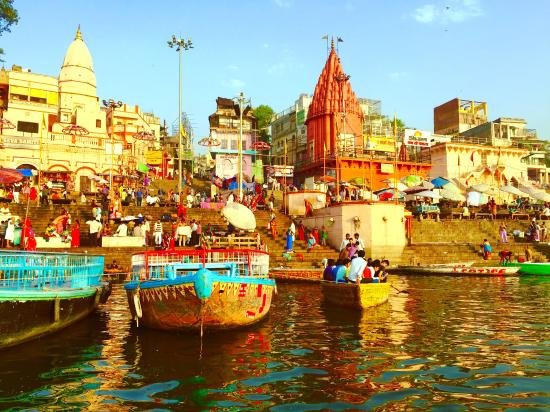
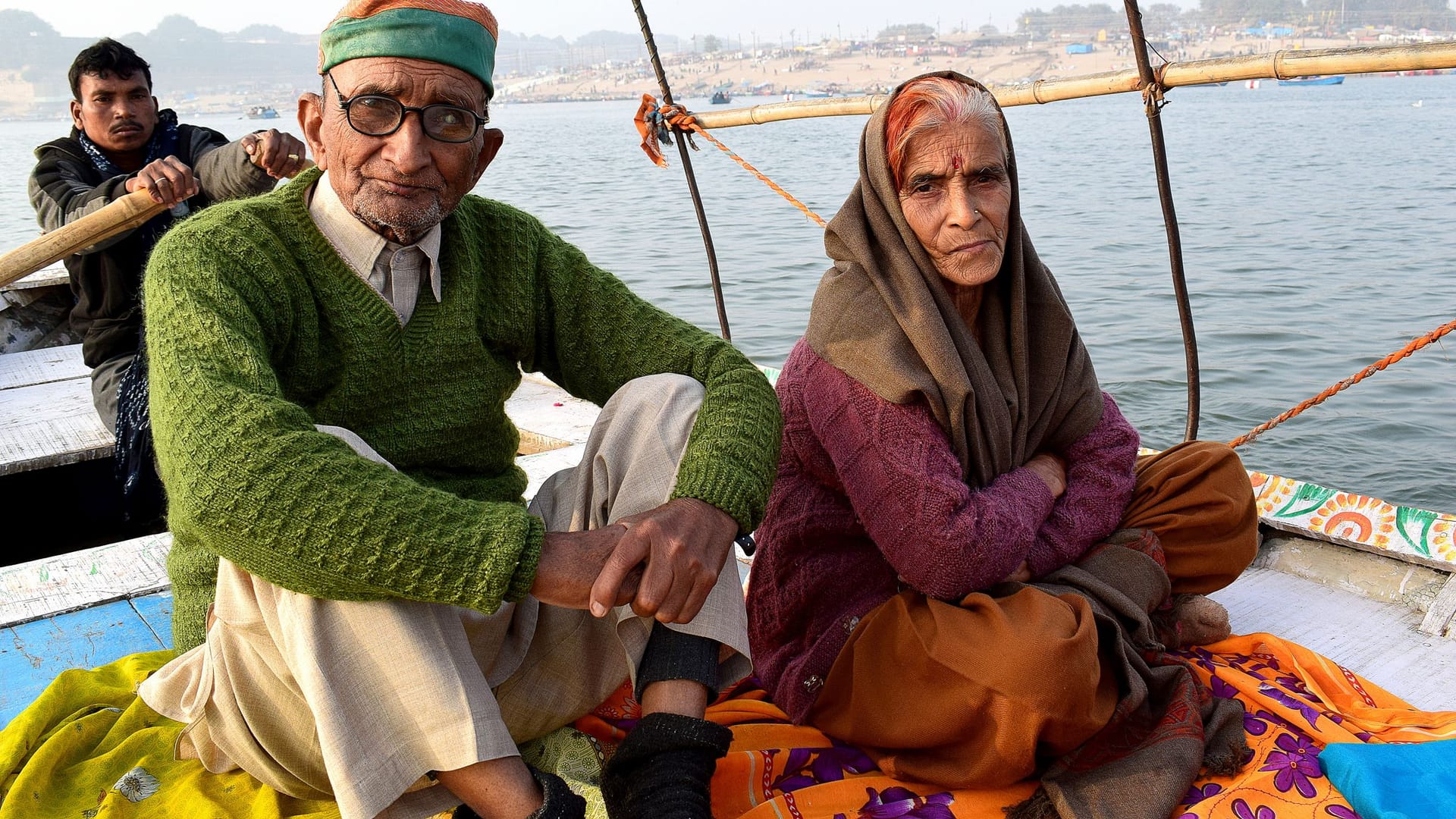
Taking to the river is essential in Varanasi. Boats give you a vantage point to see the ghats, temples and daily rituals that are otherwise hidden from the lanes.
Types of boats
- Rowboats — Traditional wooden dinghies steered by one or two boatmen using oars. These are quiet, slow and perfect for photography and contemplation.
- Motorboats — Faster and useful if you want to cover more ghats or go further along the river. They are noisier but save time, especially for longer itineraries.
- Shared boats — For budget travellers; you will share with others going the same direction. Best for short stretches or when you don’t need privacy.
Where to board and common routes
Dashashwamedh and Assi ghats are the primary boarding points for most visitors. From there you can explore a continuous stretch of ghats — sunrise trips often run between Assi and Harishchandra or beyond. If you want to witness the evening Ganga Aarti, arrange to be back at Dashashwamedh or a nearby ghat in time.
Tips for boat rides
- Choose rowboats for photography and a peaceful experience; choose motorboats if you are short on time or going longer distances.
- Negotiate the fare before boarding or ask your hotel to arrange a boat with a trusted boatman to avoid confusion.
- Bring a waterproof bag or cover for your camera and keep a small towel handy; splashes and mist are common at dawn.
- Morning and evening light are the most beautiful — sunrise offers quieter ghats and rituals, while dusk highlights the Aarti spectacle.
- Respect rituals and people performing prayers; avoid sudden loud noises or intrusive photography during personal moments.
Walking the ghats: best practices and suggested walks
Walking is the most intimate way to experience Varanasi. The ghats vary — some are temples and tourist hubs, others are quiet steps used by locals for bathing and prayer, and a few are cremation ghats where intense emotions are on display.
Suggested walking routes
- Assi Ghat to Dashashwamedh Ghat — A classic walk that takes you past many lively ghats, small temples and boat boarding points. Excellent at dawn when the city awakes.
- Dashashwamedh to Manikarnika/Harishchandra stretch — This stretch showcases both the devotional life and the more somber cremation ghats. Walk respectfully and observe from a distance if you are uncomfortable.
- Explore quieter ghats — Look for lesser-known ghats slightly away from the tourist cluster; they offer peaceful views and local rituals that are less crowded.
Etiquette and safety when walking
- Wear comfortable, non-slip footwear — steps are often wet and can be slippery.
- Dress modestly out of respect for the religious atmosphere, especially near temples and during rituals.
- Stay clear of cremation areas if the scene is too emotional; always follow local guidance and signs.
- Carry drinking water and sunscreen; shade is limited along some stretches of the river.
- Use a map or a local guide for the lanes — GPS can be unreliable in narrow alleys and you may miss interesting side streets without local input.
E-rickshaws and local road transport
E-rickshaws have become a popular and eco-friendly way to navigate Varanasi’s narrow lanes where cars cannot go. They are quiet, inexpensive and convenient for short hops between markets, ghats and guesthouses.
Where e-rickshaws work best
E-rickshaws excel in the old city and around the main ghats where lanes are too narrow for conventional vehicles. They are particularly useful for carrying luggage from a bus or train station into the winding streets, or for quick trips when you want to avoid a long walk.
Tips for using e-rickshaws
- Agree the fare before you start; some drivers will accept digital payments but many still prefer cash.
- Battery limits can affect service late in the day; if you need an e-rickshaw at night, arrange it in advance or use your hotel to call one.
- Be mindful of luggage size; large suitcases can be difficult to manage in tiny lanes.
- Support responsible drivers and unions where possible by using recommended stands or your hotel’s trusted contacts.
Other local options: cycle rickshaws, autos and taxis
Cycle rickshaws are ideal for short distances and give you a slow, immersive ride through markets and lanes. Auto-rickshaws and metered taxis are useful for longer journeys or trips to places outside the dense old city, such as Sarnath or the railway station.
Practical advice
- For longer journeys outside the old city, use app-based taxis or pre-arranged cars from your hotel for reliability and safety.
- For short trips inside the old city, cycle rickshaws are pleasant and help you see street life up close, but agree a price first.
- Keep small change for short rides and tips; drivers sometimes expect small gratuities for assistance with bags or difficult lanes.
Safety, scams and responsible travel
Varanasi is generally safe for tourists, but like any busy tourist hub it has petty scams and touts. Use common-sense precautions and travel mindfully.
Safety checklist
- Keep valuables secure and avoid displaying expensive jewellery or gadgets in crowded areas.
- Use trusted providers for boat trips and guides; ask your hotel for recommendations rather than accepting the first offer in a busy ghat.
- Avoid travelling alone in isolated lanes at night; stick to well-lit areas and use an organised pick-up if you return late from an event.
- Be wary of drivers who insist on taking you to shops or sidetracks; firmly decline unless you want to visit them.
- Respect local customs during festivals and high-patronage days — crowds swell and transport can become slower.
Tip: A guided walking tour for your first morning or evening can help you understand the ghats, rituals and lane layout — making later solo exploring much easier and more rewarding.
Making the most of your movement in Varanasi
Combine modes to match mood and time: start with a dawn boat ride to watch the city wake, walk the ghats and alleys to explore temples and markets, and use an e-rickshaw for quick transfers or for late-afternoon trips when the heat increases. Remember that the pace of Varanasi is part of its charm — a slow approach often yields the richest experiences.
Whether you glide along the Ganga, thread through alleys in an e-rickshaw, or simply sit on a step to watch life pass, moving thoughtfully around Varanasi will deepen your appreciation for one of India’s most evocative cities.
Conclusion: Getting around Varanasi is an adventure in itself. Plan to mix boats, walking and local transport according to your energy and interests, respect local traditions and people, and allow time to linger — the city rewards patience with unforgettable sights and moments.