Getting Around Agra: Private Cabs, Autos and Walking Distances
Practical guide to navigating Agra, Uttar Pradesh: when to choose private cabs, autorickshaws, e-rickshaws or walk, plus walking distances between major sights and local tips for smooth travel.
By TravMe travel team · · 6 min read
Agra's rich Mughal heritage and compact tourist circuit make it a pleasant city to explore if you pick the right mix of transport. From comfortable private cabs for day trips to nimble autos for short hops and plenty of walking around the monuments, this guide explains how to get around Agra efficiently, safely and in tune with local rhythms.
Overview: Transport options at a glance
Agra offers a variety of transport modes suited to different budgets and itineraries. The main choices are private cabs (sedan/SUV with driver), app-based taxis, pre-paid airport/railway taxis, cycle-rickshaws, autorickshaws, e-rickshaws, and walking. Many travellers combine several of these during a single day—for example, a cab to the Taj Mahal at sunrise, walking inside the complex, then an autorickshaw to Mehtab Bagh for the evening views.
Who should prefer which option?
- Private cabs / app taxis: Best for families, groups, travellers with luggage or anyone planning side trips (Fatehpur Sikri, Agra Fort, Itmad-ud-Daulah). Comfortable, flexible and relatively quicker across the city.
- Autorickshaws / e-rickshaws: Ideal for short distances within central Agra, local shopping areas and short hops between attractions.
- Cycle-rickshaws: Good for very short heritage-area journeys where motor vehicles are restricted or for a leisurely local experience.
- Walking: Perfect within and around major monuments (Taj, Agra Fort, markets), and within compact neighbourhoods like the Taj Ganj and Kinari Bazaar.
Getting to and from major arrival points
Agra Cantt Railway Station
Agra Cantt is the main rail hub and well-connected to the Taj area and city centre. Outside the station you'll find pre-paid taxi counters and autorickshaws. If you prefer an app taxi, book once you step outside and confirm the driver knows the exact landmark (Taj Mahal, Agra Fort, Fatehpur Sikri). For groups or lots of luggage, a private cab is the most comfortable option.
Kheria Airport (Agra Airport)
Kheria is a small airport serving limited flights. Pre-paid airport taxis and private cabs are available. Allow extra time for security and traffic between the airport and central Agra—bookings through reputable services or your hotel help avoid confusion on arrival.
Private cabs and day trips
Private cabs are the go-to for full-day sightseeing, sunrise/sunset visits to the Taj Mahal, and out-of-town trips to Fatehpur Sikri and Bharatpur. Drivers typically wait at monuments for a modest hourly charge, making it convenient for photographers and families. Choose a vehicle with enough space for comfort and air-conditioning—important during hot months.
Booking and reliability
- Use well-known app platforms, trusted local operators, or hotel-arranged cars for reliability.
- Confirm inclusions such as tolls, parking and waiting time before starting the drive.
- For early morning Taj visits, ask the driver to arrive at least 20–30 minutes before the gate opens to account for ticket queues and security checks.
Autorickshaws, e-rickshaws and cycle-rickshaws
Autorickshaws are ubiquitous for quick intra-city travel. E-rickshaws have grown popular for short distances in market lanes and near heritage areas, while cycle-rickshaws are useful where motorised vehicles are restricted.
How to use and negotiate
- Always agree on a fare before starting, or request the driver to use the meter when available.
- For short tourist routes (e.g., between Taj neighbourhoods), drivers often quote a fixed rate—politely haggle if it seems high.
- Insist on safe routes and avoid offers that sound like museum combos or unauthorized guides unless you want them.
Practical tips
- E-rickshaws are quieter and eco-friendly but limited to short ranges and low speeds.
- Cycle-rickshaws are slower but give access to narrow lanes and are great for a relaxed, local experience.
- Carry small change for rickshaws—drivers may not have change for large notes.
Walking distances and sensible walking routes
Many of Agra's core attractions are clustered, making walking a pleasant option, especially in cooler months and early mornings. Here are typical walking distances and recommended routes so you can plan realistically.
Key walking distances
- Taj Mahal complex (main gate to mausoleum): 300–800 metres depending on where you enter; expect several stair sections and paved pathways inside the complex.
- Taj Mahal to Mehtab Bagh (across the Yamuna): around 2–3 kilometres one way; many prefer a short autorickshaw or cab ride, particularly in heat.
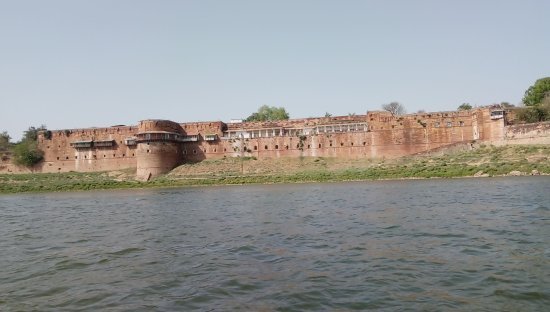
- Taj Mahal to Agra Fort: roughly 2–3 kilometres along the riverside and busy roads; a brisk walk can take 25–40 minutes but a short cab or auto is more convenient.
- Agra Fort to Itmad-ud-Daulah (Baby Taj): approximately 3–4 kilometres—best by auto or cab unless you enjoy long walks through city lanes.
- Taj Ganj to Kinari Bazaar and central markets: within 1–2 kilometres and best explored on foot to soak in the atmosphere and stalls.
Suggested walking itineraries
- Sunrise Taj + Taj Ganj stroll: After visiting the Taj, walk through the shaded lanes of Taj Ganj, stopping at local cafes and shops.
- Heritage walk: Start at Agra Fort, walk along the riverfront towards the Taj viewpoint, then continue into the old bazaars for textiles and handicrafts.
- Market amble: Kinari Bazaar and Sadar Bazaar are compact—walking lets you browse and bargain at leisure.
Timing, crowds and seasonal advice
Early mornings and late afternoons are the best times to move around. The Taj Mahal is busiest at sunrise and midday; consider sunrise visits for smaller crowds and cooler temperatures. Summer months can be very hot—plan to use motorised transport between longer stretches and walk only during cooler parts of the day.
Weekends and public holidays
Expect heavier local crowds and longer waits at popular spots on weekends and public holidays. Book transport in advance when possible and allow extra time for transfers.
Safety, scams and local customs
Agra is generally safe for tourists, but it's wise to be alert. Use registered taxis or well-known apps, avoid unmarked vehicles at odd hours, and keep personal items secure while walking through crowded bazaars.
Common unsolicited offers
- Beware of unofficial guides offering inside access or steep discounts on tickets—always buy tickets from official counters or trusted online services.
- Shopkeepers may offer tuk-tuk rides or 'special' museum tours—check reviews and confirm prices first.
Accessibility and special needs
Many major monuments in Agra have wheelchair-friendly access and ramps, but old lanes and uneven pavements in bazaars can be challenging. If you need mobility assistance, book a private cab with sufficient space and inform your hotel or operator in advance so they can arrange ramps or support at monument entry points.
Practical packing and preparation
- Carry a refillable water bottle and sunscreen—shade can be limited between attractions.
- Comfortable walking shoes are essential for cobbled lanes and monument steps.
- Keep photocopies of ID and hotel details, and have the landmark addresses saved on your phone in both English and local script to show drivers.
Tip: If you're short on time, prioritise a sunrise visit to the Taj Mahal and a late-afternoon stop at Agra Fort; use a private cab to bridge the distances comfortably.
Conclusion
Getting around Agra is straightforward when you match the transport mode to your itinerary. Private cabs offer comfort and flexibility for longer trips and early starts, while autorickshaws and e-rickshaws are perfect for short hops. Many of Agra's delights are within pleasant walking distance if you time your walks for cooler hours. With a little planning—especially around the Taj Mahal and railway/airport transfers—you can enjoy a smooth, authentic exploration of this unforgettable city in Uttar Pradesh.