How Many Days Are Enough for a Sikkim Trip?
A practical guide to planning the ideal Sikkim itinerary — from quick 3–4 day escapes to relaxed 10–12 day explorations — with travel tips, permit info, altitude precautions and must-see sights.
By TravMe Holidays travel team · · Updated · 6 min read
Sikkim is compact but wonderfully diverse: snow-capped peaks, rhododendron forests, Buddhist monasteries, high-altitude lakes and warm hill-station hospitality. Deciding how many days to spend here depends on the kind of trip you want — a whistle-stop scenic tour, a nature-led retreat in North Sikkim, or a paced cultural and trekking experience. This guide helps you choose an itinerary length that fits your interests, time and comfort with altitude, plus practical tips to make the most of your trip.
Why trip length matters in Sikkim
Sikkim’s roads are mountainous and distances can take longer than maps suggest. Many of the most rewarding places — Lachen, Lachung, Yumthang Valley, Gurudongmar Lake — are in North Sikkim and require time for road travel and permit processing. Acclimatisation is important if you plan to reach higher altitudes. Your ideal number of days should balance travel time, rest, and activities so you enjoy rather than rush through the state.
Quick overview: Suggested trip durations
- 3–4 days: Short Gangtok-centric trip — city, nearby monastery and short excursions.
- 5–7 days: Classic Sikkim — Gangtok, Tsomgo (Changu) Lake, Nathula (if open) and lower West Sikkim like Pelling/Temi Tea Garden.
- 8–10 days: Best for adding North Sikkim highlights (Lachung, Yumthang, Lachen).
- 10–12+ days: Comprehensive Sikkim — all the above plus high-altitude lakes like Gurudongmar and more relaxed days for trekking or cultural immersion.
Sample itineraries by trip length
3–4 days: Quick Sikkim escape (best for limited time)
- Day 1: Arrive Gangtok. Rest, explore MG Marg in the evening.
- Day 2: Visit Rumtek Monastery, Namgyal Institute of Tibetology and Enchey Monastery.
- Day 3: Excursion to Tsomgo (Changu) Lake and Baba Harbhajan Singh Memorial; return to Gangtok.
- Optional Day 4: Short drive to Tashi Viewpoint or floral gardens; depart.
This itinerary minimises long drives and is good for families and first-time visitors. Nathula Pass can be added if permits are available and you don’t mind a longer day trip (and have an Indian passport).
5–7 days: Classic Sikkim with Pelling
- Day 1–2: Gangtok highlights as above.
- Day 3: Drive to Pelling (or overnight en route). Evening visit to Pelling market.
- Day 4: Visit Pemayangtse Monastery, Khecheopalri Lake, Rabdentse ruins and enjoy views of Kangchenjunga.
- Day 5: Return to Gangtok or continue to Namchi and Temi Tea Garden if time permits.
- Day 6–7: Leisure or travel back.
Pelling offers close views of Kanchenjunga and is a good option if you want a mix of culture, short treks and tea estates without venturing into high altitudes.
8–10 days: North Sikkim experience (recommended for nature lovers)
- Day 1–2: Arrive and acclimatise in Gangtok.
- Day 3: Drive to Lachen. Overnight in Lachen to acclimatise.
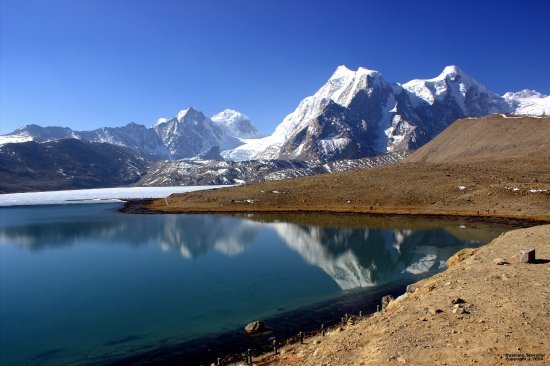
- Day 4: Early morning trip to Gurudongmar Lake (subject to permit and road conditions), return to Lachen and drive to Lachung.
- Day 5: Visit Yumthang Valley and Zero Point (weather permitting). Return to Lachung.
- Day 6: Head back to Gangtok or explore more of North Sikkim if time permits.
- Day 7–8: Optional extension — more local treks, cultural visits or a leisurely return via Pelling.
North Sikkim is high-altitude and remote; days here are defined by long drives and early starts. Allow extra days for acclimatisation and bad-weather contingencies.
10–12+ days: Deep dive into Sikkim
- Combine Gangtok, Pelling, Namchi, the Temi Tea Garden, and a full North Sikkim circuit including Gurudongmar and Yumthang.
- Add short treks near Pelling or in Dzongri/Goecha La approaches if you are fit and have permits and time.
- Include cultural experiences — homestays, monastery festivals (if dates match), and local cuisine exploration.
This is the most relaxed option and allows you to factor in bad weather, permits processing and a slower pace to enjoy the landscapes and local life.
Permits, seasons and road conditions
Permits
- Indian nationals will need an Inner Line Permit (ILP) for Sikkim — available online and on arrival at entry points; check current requirements before travel.
- Foreign nationals require a Protected Area Permit (PAP). These are typically arranged through authorised travel agents or at certain entry points; some areas like Nathula and high-altitude zones need additional clearances.
- Special permits are required for places like Nathula Pass and Gurudongmar Lake. These are often day-specific and linked to vehicle and escort conditions from police/army posts.
Best time to visit
- Spring (March to May): Rhododendrons and wildflowers; pleasant weather across elevations.
- Autumn (September to November): Clear skies and great mountain views after the monsoon.
- Winter (December to February): Cold and snowy in higher reaches; best for snow lovers but many high passes may be closed.
- Monsoon (June to August): Lush landscapes but landslides and road blockages are more likely; plan buffer days.
Health, altitude and safety tips
- Acclimatise slowly if you plan to go above 3,000–4,000 m. Spend a night at Gangtok or Lachen before higher excursions.
- Carry altitude sickness basics: stay hydrated, avoid heavy exertion on day one at higher altitude, and discuss medication or oxygen needs with your doctor if you have concerns.
- Roads can be narrow and winding — choose experienced drivers and avoid night travel in remote areas.
- Pack layers: temperatures can vary widely between day and night and by altitude.
Packing checklist and travel tips
- Layered clothing, warm jacket, gloves and a wool cap for high-altitude mornings and evenings.
- Good walking shoes with grip for uneven paths and short treks.
- Basic medications, sunscreen, sunglasses and a small first-aid kit.
- Copies of identity and permit documents, and a power bank for long drives.
- Local currency for small purchases; ATMs are available in major towns but sparse in remote areas.
How to tailor the trip to your priorities
Decide what you want to take away from Sikkim and plan days accordingly:
- If you want panoramic Himalayan views and easy access: choose Pelling and short drives from Gangtok.
- If you want alpine ecosystems, flower valleys and snow: dedicate days to North Sikkim (Lachung/Lachen).
- If culture and monasteries interest you: build in more time in Gangtok, Pemayangtse and local markets and monasteries.
- If you prefer walking and short treks: allocate extra days in Pelling or near Gangtok to include nature trails and ridge walks.
Tip: Always plan a buffer day for weather or road delays — a two-day drizzle or a blocked pass can upend an otherwise tight schedule.
Sample budgets and booking advice
Trip cost varies widely with the season, mode of travel and accommodation. Budget travellers can find guesthouses and shared transport, while mid-range hotels and private tours are common. For remote North Sikkim, local tour operators often include permits, vehicle and guide in packages — this simplifies logistics but compare inclusions before booking.
Final recommendations
For most travellers, a 6–8 day trip offers the best balance: you get Gangtok’s culture and a comfortable North Sikkim experience without rushing. If you have less than a week, prioritize either East/Central Sikkim (Gangtok, Tsomgo, Pelling) or the North — don’t try to cram everything. And if you have the time, 10–12 days lets you savour the diversity of Sikkim at a relaxed pace.
With careful planning and allowance for permits and travel time, Sikkim rewards patience with spectacular landscapes, warm hospitality and memorable cultural experiences.
Happy travels — and don’t forget to slow down and enjoy the views.