Heritage Hotels in Rajasthan: What to Expect From a Palace Stay
Discover what a palace stay in Rajasthan truly feels like — from royal architecture and heritage suites to cuisine, ceremonies and practical tips to choose the right heritage hotel for your trip.
By TravMe Holidays travel team · · Updated · 6 min read
Rajasthan’s heritage hotels offer more than accommodation; they are living museums where courtyards echo with history and service is still practiced as an art. Whether you dream of sleeping under frescoed ceilings in a haveli or waking to views from a hilltop fort, this guide explains what to expect from a palace stay and how to make the most of it.
Types of Heritage Hotels in Rajasthan
Heritage properties in Rajasthan fall into distinct categories, each giving a different flavour of royal life. Knowing the type helps set your expectations before booking.
Palaces and Forts
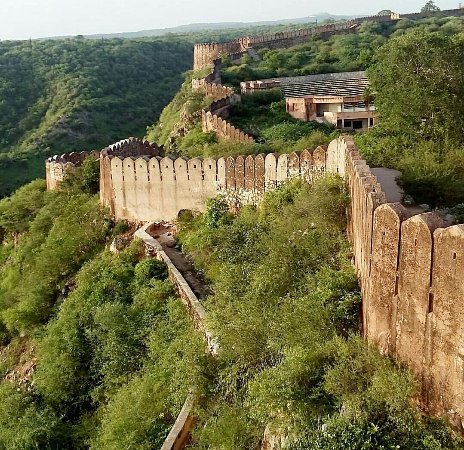
Converted palaces and forts are the most dramatic. These are often part of royal families’ ancestral properties and retain large public rooms, courtyards, temples and sprawling terraces. Expect high ceilings, ornate jharokhas (balconies) and period furniture. Many properties preserve original murals, mirrorwork and stone carvings.
Havelis and Mansions
Havelis are urban mansions found in cities like Jaisalmer, Jodhpur and Udaipur. They tend to be more intimate than forts and often feature beautiful courtyards, carved woodwork and painted facades. Havelis are perfect for travellers who want heritage in the heart of a town.
Converted Bungalows and Hunting Lodges
These offer a quieter, smaller-scale experience. Former hunting lodges or colonial-era bungalows, often near wildlife reserves, combine rustic charm with personalised service and can be ideal for families or wildlife enthusiasts.
Rooms and Suites: Authenticity vs Modern Comfort
One of the first trade-offs to understand is authenticity versus modern amenities. Heritage hotels balance original features with contemporary comforts in varying degrees.
- Original features: Expect frescoed walls, carved stone or wood furniture, canopied beds and traditional textiles. Windows may have wooden jalis (lattice screens) that diffuse light.
- Bespoke suites: Many palaces offer signature suites named after royal ancestors—these are larger, with private sitting rooms and unique décor.
- Modern conveniences: Most reputable heritage hotels provide ensuite bathrooms, hot water, air-conditioning or heating, Wi‑Fi and safety deposit boxes. However, the level of technological integration varies—some properties deliberately keep it understated to preserve ambience.
- Bathroom style: Bathrooms may be modernised but sometimes retain antique fittings or stone bathtubs—expect a blend rather than a home-from-home contemporary bathroom in every case.
Service, Staff and Royal Touches
Service in Rajasthan’s heritage hotels is often highly personalised. Many staff are trained in traditional hospitality, and you will frequently find a strong emphasis on ceremony and warmth.
- Butler-style service: Larger properties may assign stewards or butlers to suites to assist with dining, room preferences and local arrangements.
- Cultural hosts: Some members of the royal family or local caretakers participate in greeting guests, conducting tours and sharing stories—this adds authenticity to the visitor experience.
- Traditional welcomes: Morning aarti, turban-tying demonstrations, or folk music performances are common and often complimentary at higher-end heritage hotels.
Food and Dining: A Royal Plate
Food is a highlight of any palace stay. Expect regionally inspired menus that celebrate Rajasthani flavours alongside national and international dishes.
- Rajasthani specialities: Dal baati churma, gatte ki sabzi, ker sangri and laal maas are frequently on menus. Many hotels offer cooking demonstrations so guests can learn local techniques.
- Dining venues: Meals may be served in candlelit chowks (courtyards), roof-top terraces, or formal dining halls that evoke royal banquets. Al fresco dinners under the stars are a popular option.
- Dietary needs: Most hotels accommodate vegetarian, vegan and other dietary preferences, but it’s courteous to inform them in advance for a smoother service.
Activities and Experiences on Offer
Heritage hotels curate experiences that extend beyond the room—activities that connect guests with local culture, nature and history.
- Guided heritage walks: Many properties provide guided tours of the palace, family collections and private temples, often led by knowledgeable local historians.
- Folk performances: Rajasthani puppetry, kathputli shows, folk music and dance are staples of the palace evening programme.
- Workshops: Try block printing, tie-dye (bandhani), turban-tying or jewellery-making at some heritage hotels.
- Outdoor pursuits: Camel safaris, heritage village visits, hot-air ballooning (in select regions), birdwatching, and jeep safaris to nearby forts or wildlife reserves can usually be arranged.
- Wellness: Traditional treatments such as Ayurvedic massages may be available, sometimes in historic spa rooms or open courtyards.
What to Pack and Practicalities
Packing thoughtfully will help you enjoy your palace stay without surprises.
- Clothing: Lightweight cottons for the day, a warm layer for desert nights and smart casual outfits for evening dining. Some heritage hotels observe a modest dress code in certain heritage areas.
- Footwear: Comfortable shoes for uneven stone floors and exploring courtyards; chappals for relaxing in-room.
- Essentials: Sunscreen, a hat, refillable water bottle, and any personal medicines. Power outlets and adaptor types vary—carry a universal adaptor if you rely on multiple devices.
- Cash and cards: Cards are widely accepted at major hotels, but keep some cash for tipping local guides or buying handicrafts in small markets.
Accessibility, Sustainability and Conservation
Many heritage hotels are involved in conservation efforts, but accessibility can vary because of historic architecture.
- Conservation focus: Reputed properties often participate in restoration projects and use heritage conservation experts to maintain frescoes and structures.
- Sustainability practices: Look for hotels that promote local sourcing of food, water conservation and waste reduction. These are increasingly common as guests seek responsible stays.
- Accessibility: Due to steps, narrow passages and uneven floors, wheelchair access may be limited in older wings. Contact the hotel before booking if accessibility is essential.
Tip: If a fully modern experience matters to you, check recent guest reviews and speak to the hotel about the extent of modern amenities—some wings are renovated while others retain original architecture with limited conveniences.
How to Choose the Right Palace Hotel
Selecting a heritage hotel depends on your priorities—authenticity, location, service level, or unique experiences. Use these quick criteria to decide:
- Location: Do you want city access for sightseeing (Udaipur, Jaipur, Jodhpur) or a secluded rural/fort experience?
- Scale: Large palace vs intimate haveli—larger properties often have more facilities; smaller ones offer personalised attention.
- Authenticity vs comfort: Decide whether you prefer a meticulously restored historic room or a luxury suite with contemporary design elements.
- Activities: Check what cultural programmes, excursions and workshops are included or available on request.
- Reviews and awards: Recent guest feedback and recognitions from heritage organisations can indicate standards of service and conservation.
Regions and Recommended Stays by Mood
Different parts of Rajasthan offer distinct atmospheres for a palace stay.
- Udaipur: Best for lakeside palaces, romantic escapes and scenic boat rides.
- Jaipur: Ideal for grand palaces, shopping bazaars and easy transport links.
- Jodhpur: Known for hilltop forts and blue‑washed old city views.
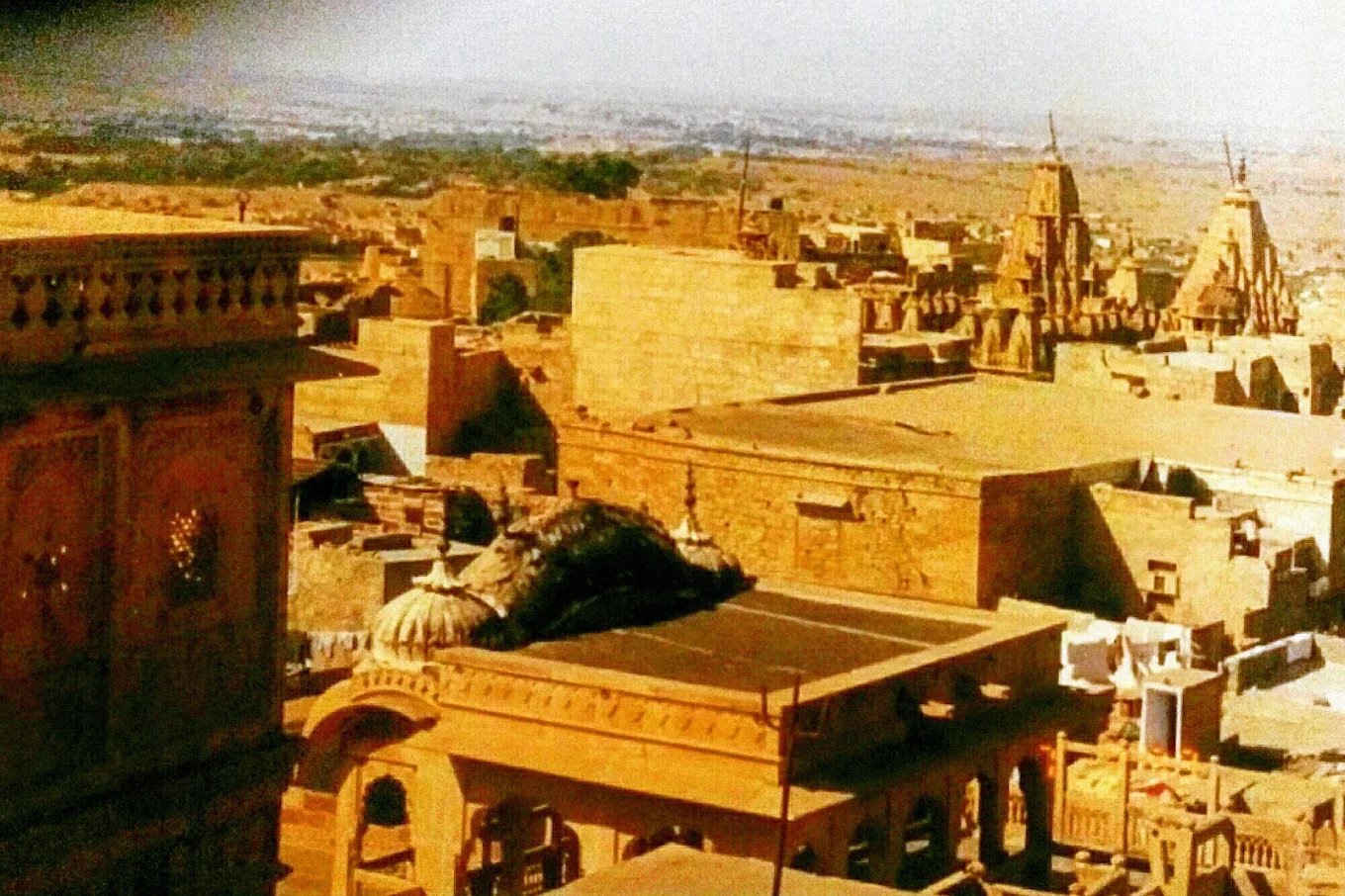
- Jaisalmer and Shekhawati: Choose these for desert forts, havelis with frescoes and dramatic sunsets.
- Rural & wildlife fringe: Look for converted lodges near Ranthambore, Sariska or Bera for a mix of heritage and nature.
Booking Tips and Best Time to Visit
Plan carefully to get the best from a palace stay.
- Peak season: October to March is most comfortable in terms of weather; book well in advance for popular properties.
- Off-season advantages: Summer can bring quieter hotels and value offers, but temperatures are high—some palaces close rooms or wings during peak heat for conservation reasons.
- Ask about inclusions: Clarify what is included—breakfast, guided tours, cultural shows or airport transfers—so you aren’t surprised by extra charges.
- Special occasions: For honeymoons, anniversaries or weddings, speak to the hotel’s events team who often provide tailored packages and private dining options.
Conclusion
Staying in a Rajasthan palace is as much about atmosphere and storytelling as it is about comfort. Expect regal architecture, attentive service, rich food and curated cultural experiences—balanced differently by each property. With a little research into location, level of modernity and included activities, you can choose a heritage hotel that becomes one of the most memorable parts of your Rajasthan journey.