Gujarat Weather Month by Month: What to Expect Across the State
A month-by-month guide to Gujarat’s climate, covering coastal, desert and hilly zones, with practical tips on what to pack, best travel windows, festival-weather links and regional variations.
By TravMe travel team · · 6 min read
Gujarat’s weather is as varied as its landscapes: from the Rann’s stark salt flats in the north to the tropical coast of South Gujarat and the misty hills of Saputara. Understanding the month-by-month patterns helps you plan the right time to visit, what to pack and which regions to prioritise for festivals, nature or beach time.
Overview: Climatic zones of Gujarat
Gujarat spans several microclimates. Broadly, you’ll encounter the arid desert-like climate of Kutch and the Rann, the semi-arid plains of central Gujarat (including Ahmedabad and Vadodara), the sandy Saurashtra peninsula with its breezy coastlines, the humid and greener South Gujarat coast around Surat, and the cooler, forested hill station of Saputara. Coastal areas experience humidity and sea breezes, while inland and northern districts have more extreme temperatures and lower rainfall.
January — Cool and pleasant
January is one of the most pleasant months across Gujarat. Days are generally mild and sunny; mornings and nights can be cool, especially in northern and inland areas. Coastal districts enjoy comfortable temperatures with refreshing sea breezes. The Rann of Kutch is cool by day and can be quite chilly at night.
- Ideal for: Cultural travel, city sightseeing, and exploring the Rann before it warms up.
- Packing tips: Light woollens for mornings and evenings; layers work best.
- Festival note: The Rann Utsav typically begins during winter months; check exact schedules as they align with pleasant weather.
February — Mild days, crisp mornings
February continues the pleasant spell. Daytime temperatures rise gradually, making it perfect for long day trips and outdoor activities. The countryside begins to show early signs of the approaching warmer season, but humidity is still low.
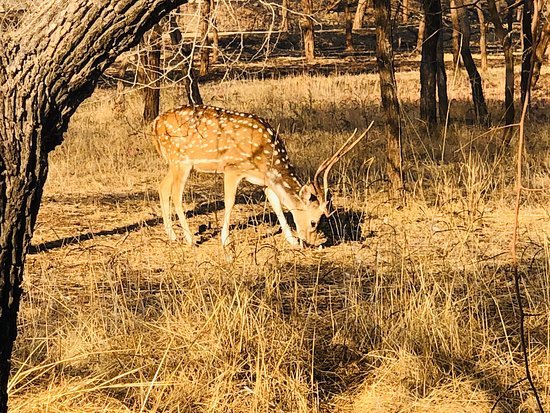
- Ideal for: Wildlife outings to Gir, heritage walks in Ahmedabad, coastal drives.
- Packing tips: Transition clothes—light shirts by day, a sweater for mornings.
March — Warming up, pre-monsoon breezes
March marks the transition to hotter months. Temperatures climb, particularly inland and in Kutch. Coastal South Gujarat stays more moderate due to sea influence, but humidity starts to increase toward the end of the month.
- Ideal for: Early-season beach trips, desert landscapes, and festival visits before summer peaks.
- Travel note: Start planning for hotter daytime conditions; afternoon sightseeing can be tiring.
April — Hotter days, warm nights
April brings noticeable heat in most of Gujarat. Inland cities can become quite warm, while coastal areas remain more tolerable thanks to sea breezes. The Rann begins to bake under strong sun, so early morning or late afternoon visits are recommended.
- Ideal for: Early morning salt-flat visits, evening cultural programmes, hill retreats like Saputara.
- Packing tips: Sun protection—hats, sunscreen, light, breathable clothing; stay hydrated.
May — Peak summer, preparation for monsoon
May is often the hottest month. Interior Gujarat sees high temperatures and low humidity, while the coast becomes increasingly humid and sultry. Travelling in the peak heat requires planning to avoid midday exposure.
- Ideal for: Short trips to higher elevations (Saputara) or coastal nights; avoid strenuous daytime activities inland.
- Health tip: Be mindful of heat-related illnesses; carry electrolytes and schedule activities in cooler parts of the day.
June — Heat peaks, monsoon onset
June is the turning point. Western and central parts often remain hot with occasional pre-monsoon showers or thunderstorms. The southwest monsoon typically arrives in parts of Gujarat during this month, first affecting South Gujarat and then progressing north-westwards.
- Ideal for: Beach time in early June before heavy rains; wildlife viewing can be good just before full monsoon sets in.
- Travel note: Road conditions can change with the first heavy rains; check local updates if travelling to remote locations.
July — Monsoon in full swing in the south, variable north
July sees active monsoon over South Gujarat and parts of Saurashtra with heavy, frequent rains. Central and northern Gujarat including Kutch may get less reliable rainfall; Kutch remains relatively arid, though it can receive sporadic downpours. Rivers and reservoirs begin to rise, and the landscape turns lush in regions receiving good rain.
- Ideal for: Fresh coastal scenery, watching monsoon-fed greenery; avoid the Rann for salt-flat tours as access can be affected.
- Packing tips: Rain gear, waterproof footwear, insect repellent for humid areas.
August — Peak monsoon, lush countryside
August continues the monsoon pattern. South Gujarat is typically wettest, while Saurashtra and Kutch see varied rainfall amounts. This is a quieter travel period for many classic tourist circuits but rewarding for those who enjoy monsoon landscapes, waterfalls, and a calmer pace at popular sites.
- Ideal for: Nature photography, riverine areas, and cultural experiences in less-crowded towns.
- Travel note: Some rural roads and trails can be slippery or flooded; allow extra travel time.
September — Retreating monsoon, pleasant recovery
Monsoon withdrawal begins in September. Rainfall reduces and humidity starts to decline, especially in central and north Gujarat. The landscape remains verdant and temperatures moderate—an attractive time for many travellers who prefer fewer crowds and comfortable weather.
- Ideal for: Wildlife reserves as animals are active near water sources, heritage tours and coastal visits.
- Packing tips: A light rain jacket may still be useful early in the month.
October — Crisp days, start of the tourism season
October is a transition to the cool-dry season. Temperatures are comfortable across the state with reduced humidity. This month often marks the return of many festivals and cultural events, and traveller numbers start to rise as conditions are ideal for sightseeing.
- Ideal for: Festival tourism, countryside drives, beginning of Rann visit season.
- Travel tip: Book ahead for major festivals and cultural events.
November — Pleasant and lively
November is a popular month to visit Gujarat. Days are warm without being hot; nights are pleasantly cool. Many outdoor festivals and fairs happen in this period, and wildlife reserves are accessible with good photographic light and comfortable temperatures.
- Ideal for: Full exploration—coastlines, heritage cities, festivals and the Rann as it becomes drier and accessible.
- Packing tips: Light layers, comfortable walking shoes, and a light jacket for evenings.
December — Cooler nights, excellent travel weather
December rounds off the year with cool mornings and nights, and sunny days that are excellent for outdoor activities. The Rann of Kutch and western regions can be chilly, especially after sundown. Coastal areas remain comfortable and are perfect for relaxed exploration.
- Ideal for: Peak tourist season experiences—festivals, Rann Utsav and cultural tours.
- Travel tip: Expect higher visitor numbers; plan accommodation and travel early.
Practical tips for planning your Gujarat trip
- Choose region by weather preference: For cool and festive winters visit Kutch and central Gujarat; for monsoon greenery head south; for beach days pick the coast in dry months.
- Time your outdoor activities: Early mornings and late afternoons are best for desert and coastal experiences during hot months.
- Packing checklist: Sun protection, breathable clothing for summer, light woollens for winter mornings, rain gear for monsoon, sturdy footwear and a basic first-aid kit.
- Health and safety: Heat and dehydration are common in summer—carry water and avoid peak midday sun. During monsoon, watch for slippery surfaces and mosquitoes in humid zones.
- Transport considerations: Seasonal weather can affect road conditions and ferry services. Allow flexibility in itineraries during monsoon months.
Conclusion
Gujarat’s weather cycles offer something for every traveller—sunny winters that welcome festival-goers, hot summers that push visitors to the coast or hills, and a monsoon that brings dramatic greenery and quieter journeys. Picking the best month depends on whether you seek culture, beaches, wildlife or dramatic landscapes like the Rann. With this month-by-month guide, you can match your interests to the right season and make the most of what Gujarat has to offer.