Gujarat Summer Travel: Beating the Heat on a Sightseeing Trip
Practical, Indian-friendly guide to travelling Gujarat in summer — how to stay cool, best places to visit, timing tips, packing essentials and heat-smart itineraries for a comfortable sightseeing trip.
By TravMe Holidays travel team · · Updated · 7 min read
Summer in Gujarat can be intense, but with a few smart choices you can enjoy spectacular heritage sites, cool coastlines and unique cultural experiences without melting in the midday sun. This guide helps you plan a heat-aware sightseeing trip across Gujarat, covering destinations, daily rhythms, transport, food and safety tips to make your summer holiday comfortable and memorable.
Why visit Gujarat in summer?
Gujarat is a year-round destination because of its diversity: arid landscapes, long coastline, hill stations and vibrant cities. Summer (roughly March to June) is a great time to see landscapes in sharp light, experience festivals that fall before the monsoon, and enjoy less crowded attractions. If you plan correctly, the heat need not spoil your trip — it simply changes how you travel and what you prioritise each day.
Best heat-friendly destinations in Gujarat
Choose places that naturally offer relief from the heat: the coast, higher elevations and locations where early-morning or late-evening sightseeing works best.
Coastal escapes: Diu, Dwarka, Mandvi and Somnath
- Diu — a compact island with sandy beaches, Portuguese-era architecture and relaxed evening promenades. Sea breezes make evenings especially pleasant.
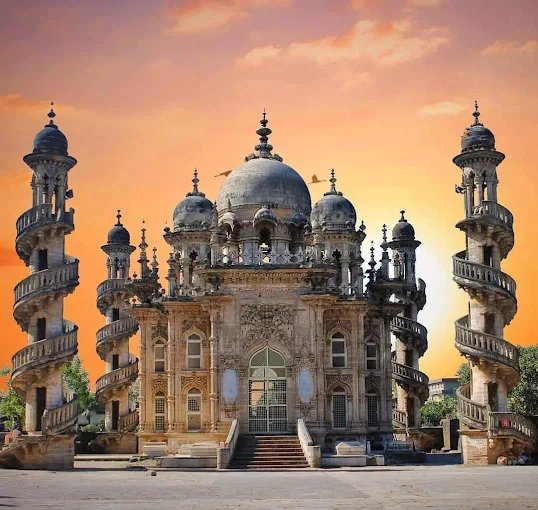
- Mandvi — Kutch’s coastal town with a wide beach, stately Vijay Vilas Palace and sunset camel rides that are best experienced later in the day.
- Dwarka and Somnath — important pilgrimage towns with early-morning temple visits that let you beat heat and crowds. The sea breeze near the ghats often provides relief.
Hills and cooler air: Saputara
Saputara is Gujarat’s principal hill station. At higher elevation it’s appreciably cooler, particularly during mornings and evenings. Gentle treks, boat rides on the Saputara Lake and shaded viewpoints make for restorative breaks between hotter parts of your itinerary.
Arid but manageable: Rann of Kutch
The Great Rann is sun-drenched and can be scorching by day, but if you schedule visits for dawn or dusk it becomes spectacularly beautiful. Night-time temperatures drop considerably on clear nights, and the white salt expanse is pleasant for evening drives and photography when timed properly.
Wildlife and early starts: Gir National Park
Gir is best visited with pre-dawn safaris when animals are most active and temperatures are lower. Many lodges provide breakfast boxes to take into the park, and shaded safari vehicles minimise exposure to the sun.
City comforts: Ahmedabad
Ahmedabad offers a mix of air-conditioned museums, heritage sites with shaded courtyards (such as the pols and stepwells) and an active food scene at night markets. The Sabarmati Riverfront and modern malls give comfortable options for hot afternoons.
Timing your days: rhythm for a summer sightseeing trip
Adapting your schedule to the sun is the single most effective way to enjoy Gujarat in summer. Use the cooler parts of the day for sightseeing and leave the hottest hours to rest or indoor activities.
- Pre-dawn to mid-morning (5–10am): Ideal for outdoor attractions, safaris, sunrise at the Rann and temple visits.
- Late morning to mid-afternoon (11am–4pm): Rest, nap or enjoy air-conditioned museums, malls, lodges or a leisurely lunch. Plan longer drives during this time rather than stopping for active sightseeing.
- Late afternoon to night (4pm onwards): Return to outdoor activities — beach walks, sunset points, markets and cultural performances.
Packing list: clothes and essentials for Gujarat summer
Pack light, breathable fabrics and sun-protective items. Comfort is key when temperatures rise.
- Lightweight, loose cotton or linen clothing in pale colours
- A wide-brim hat and UV-protective sunglasses
- High SPF sunscreen and lip balm with SPF
- Reusable water bottle (insulated if possible) and electrolyte sachets
- Light scarf or dupatta for sun and dust protection
- Comfortable walking shoes and open sandals for beaches
- Portable umbrella or compact sunshade for market visits
Transport and accommodation: comfort-first choices
Prioritise air-conditioned travel and stay in hotels with good cooling options. Small changes make a big difference.
By road
Prefer private cars with functioning AC over prolonged bus journeys. If you take shared transport, pick early-morning departures to avoid the hottest hours on the road. For long drives, plan stops at towns with decent refreshment options.
By rail and air
Trains and flights are generally air-conditioned; book daytime travel if it helps your schedule, but overnight travel is useful to avoid daytime heat while covering long distances.
Where to stay
Choose hotels or homestays with reliable cooling, water facilities and shaded outdoor areas. Beach resorts and hill-side lodges often have better airflow. If you’re visiting the Rann or Gir, look for property features such as shaded verandahs, pools and evening refreshments.
Food and hydration: staying energised in the heat
Maintaining hydration and electrolyte balance is essential. Gujarati cuisine has many light, vegetarian options that work well in summer.
- Drink water frequently; carry an insulated bottle to keep it cool. Add ORS or electrolyte powder during hot days.
- Choose light meals: khichdi, buttermilk (chaas), fresh fruit chaats, and steamed dishes are easier on the system.
- Avoid heavy, oily foods during peak heat hours; instead eat heavier meals in the evening when temperatures cool.
- Fresh local fruits — watermelon, mango (seasonal), and cucumber-based salads — help with hydration.
Experiences that work well in summer
Many Gujarat experiences can be shifted to mornings or evenings to keep you comfortable.
- Sunrise at the Rann: Visit early for cool temperatures and extraordinary light on the salt flats.
- Evening heritage walks in Ahmedabad: Explore pols and stepwells when the heat drops.
- Sunset camel safaris: In Kutch or Mandvi, choose late-afternoon safaris for cooler conditions and dramatic skies.
- Night markets and food streets: The best time for local food and shopping is after sundown.
- Saputara boat rides: Mornings or late afternoons are pleasant on the hill-station lake.
Tip: For wildlife visits such as Gir, book the earliest safari slot — both for animal sightings and to avoid the rising heat.
Health and safety: recognising heat-related issues
Heat exhaustion and sunstroke are real risks. Be proactive and know the signs.
- Symptoms of heat exhaustion: heavy sweating, weakness, dizziness, headache, nausea. Stop activity, move to shade, hydrate and rest.
- Symptoms of heatstroke: high body temperature, altered mental state, fainting or seizures. This is an emergency — seek immediate medical care.
- Protect children and older travellers, who are more vulnerable to heat-related illnesses.
- Use insect repellent near coastal and rural areas, and be mindful of food hygiene with street food in hot weather.
Sample 7-day heat-smart itinerary
Below is a flexible plan that balances sightseeing and rest. Adjust pace according to your preferences.
- Day 1 — Ahmedabad: Morning at the Sabarmati Ashram and stepwells; afternoon rest; evening Gujarati thali and Sabarmati Riverfront stroll.
- Day 2 — Ahmedabad to Gir: Early drive; arrive midday and rest; evening hotel grounds and light dinner.
- Day 3 — Gir National Park: Pre-dawn safari; late morning rest; village walk or local craft shopping in the evening.
- Day 4 — Gir to Somnath/Dwarka: Temple visit at dawn; coastal relaxation and seafood or local vegetarian fare in the evening.
- Day 5 — Dwarka to Diu or Mandvi: Travel early; afternoon at the beach (late afternoon swim), evening beach promenade.
- Day 6 — Diu/Mandvi to Rann (overnight near Bhuj): Early morning beach, midday rest, reach Kutch by evening; short evening visit to local markets.
- Day 7 — Rann of Kutch: Dawn on the white salt, return for rest, evening cultural programme (seasonal) and drive to departure city.
Practical bookings and local considerations
Advance planning helps: book safaris, popular homestays and weekend accommodation early. For long drives, check road conditions and keep extra water and a basic first-aid kit in the vehicle. Respect local customs and temple timings — many ceremonies and aartis happen at dawn or dusk, which conveniently avoid midday heat.
Conclusion
Gujarat in summer rewards travellers who plan around the sun. With early starts, cool coastal or hill retreats, light food and sensible pacing you can enjoy heritage sites, wildlife, beaches and extraordinary landscapes without discomfort. Embrace the rhythm of the day, pack smart, and you’ll find Gujarat’s heat adds a different, rewarding dimension to your journey rather than a barrier.