Getting Around the Seven Sisters: Cabs, Roads and Realistic Drive Times
Practical guide to getting around India’s Seven Sisters—cabs, road types and realistic driving times. Learn about permits, typical speeds on hill roads, cab options, safety tips and sample day plans for smooth travel across the Northeast.
By TravMe travel team · · Updated · 6 min read
The Seven Sisters—Arunachal Pradesh, Assam, Manipur, Meghalaya, Mizoram, Nagaland and Tripura—offer some of India’s most rewarding but logistically challenging road journeys. Whether you are planning a relaxed Meghalaya loop, a Kaziranga-to-Tawang overland leap, or island-hopping through hill towns, understanding cab options, road quality and realistic drive times will make your trip safer and far more enjoyable.
Overview: Road networks and travel culture in the Northeast
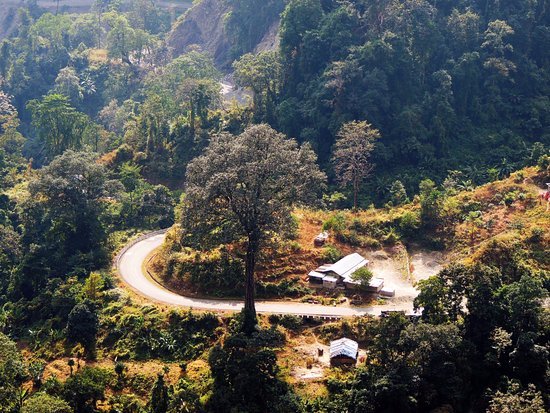
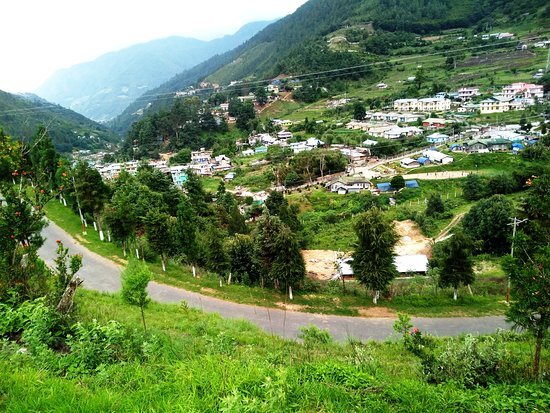
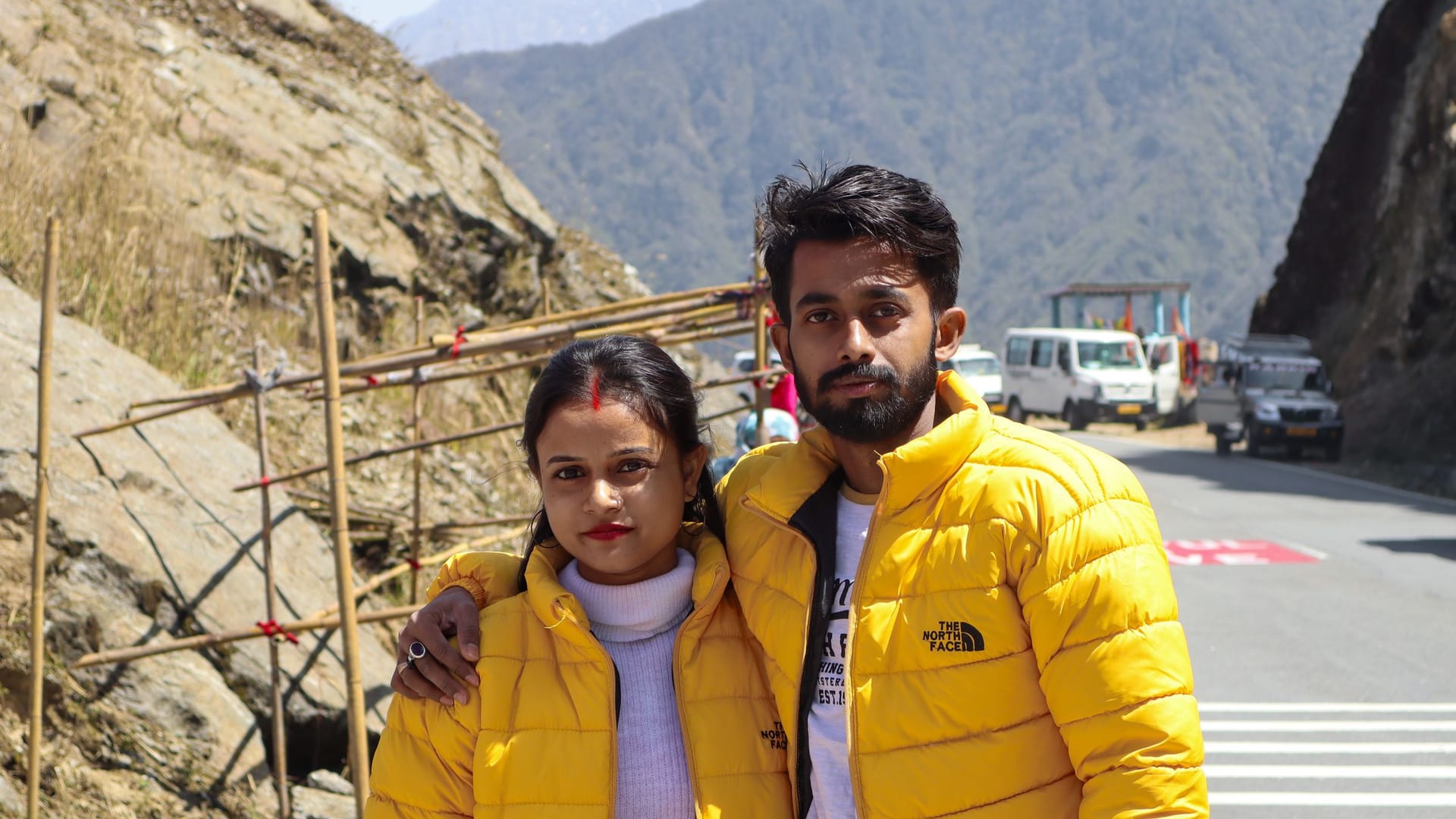
The Northeast’s road network varies widely. Assam’s Brahmaputra valley has relatively good national highways and state roads, while the hill states feature narrower, winding mountain roads that can be slow even when well-maintained. Monsoon landslides, narrow single-lane stretches, roadworks and frequent military or forest checkpoints add unpredictable delays. Public transport culture is strong: shared taxis, buses and passenger jeeps are a lifeline in many places, while private cabs are common for sightseeing and medium-distance transfers.
Key travel hubs
- Guwahati (Assam) — the principal gateway by air and rail for most of the Seven Sisters.
- Imphal (Manipur) and Agartala (Tripura) — important regional airports and railheads.
- Shillong (Meghalaya), Kohima (Nagaland), Aizawl (Mizoram), Itanagar (Arunachal) — hill-town capitals commonly reached by road.
Cab types and how to choose
Depending on terrain and group size, you’ll find different vehicle types:
- Shared taxis/jeeps: The most economical option for short to medium distances, especially between towns and tourist spots. You’ll share space and sometimes luggage; departure once the vehicle fills up.
- Private cabs (sedan/SUV): Best for door-to-door comfort and sightseeing flexibility. SUVs or Tata Sumo/Marazzo-style MPVs are preferable for rough hilly roads.
- Tempo Travelers/Minibuses: Good for groups of 8–15. Make sure the vehicle is rated for hilly terrain if your route climbs steeply.
- Self-drive: Limited availability and not widely recommended due to unfamiliar roads, sudden weather changes and permit rules. If you choose this, pick a robust vehicle, preferably with considerable ground clearance.
How to hire and what to ask
- Book through reputable local agencies or hotel recommendations; ask about driver experience on the specific hill routes.
- Confirm inclusions: fuel, tolls, driver allowance, night halt charges and any entry permits needed.
- Check the vehicle condition—tyres, spare, suspension, lights—and request a second driver for long multi-day transfers.
Permits and checkpoints
Several northeastern states have entry formalities for Indian and foreign visitors. These may include Inner Line Permits (ILP) or Protected Area Permits (PAP). Rules can change and some are issued online or at state checkpoints.
- Always verify permit requirements for destinations such as Arunachal Pradesh, Mizoram, Nagaland and parts of Manipur. Some border areas have additional restrictions.
- Carry original ID, vehicle papers and driver licence; keep copies of permits in the car.
- Allow extra time for checkpoint formalities—especially on state borders and near military/paramilitary installations.
Safety note: Road closures after heavy rain or landslides are common in monsoon months (June–September). Plan contingency days into your itinerary and avoid tight schedules in the rainy season.
Realistic driving speeds and what to expect
Setting expectations for average speeds is the single most useful planning tool. Average speed depends on terrain and road quality:
- Plains and good highways (Assam valley): 45–60 km/h on national or state highways in good condition.
- Hill roads (Meghalaya, Nagaland, Manipur, Arunachal): 20–35 km/h for steep, winding stretches. Occasional slowdowns to 10–15 km/h where roads are single-lane, under repair or slippery.
- Mixed routes: Plan on 30–40 km/h overall where you have both valley highways and uphill climbs.
These averages include short stops for tea, fuel and photographs but not long delays from landslides or severe weather. For planning, think in terms of distance per day rather than hour-by-hour schedules.
Sample realistic drive times between common points
Below are typical drive times travelers report; these are planning estimates, not guarantees.
- Guwahati to Shillong: 3–4 hours. A scenic road but prone to traffic close to Shillong and short uphill stretches.
- Guwahati to Kaziranga (central ranges): 4–5 hours. Good stretches of highway, slower within park approaches.
- Guwahati to Tawang (via Tezpur, Bhalukpong): 18–24 hours spread over 2–3 days. This is a high-altitude, mountainous journey—plan overnight halts and acclimatisation.
- Shillong to Cherrapunji (Sohra): 2–3 hours, depending on how often you stop for viewpoints and waterfalls.
- Imphal to Kohima: 6–8 hours. Mountainous, with variable road width and multiple checkpoints.
- Agartala to Cherrapunji/Meghalaya border areas: 8–12 hours depending on route and border crossings.
- Aizawl to nearby hill towns: expect 3–6 hours for 100–150 km due to steep climbs and hairpins.
When combining multiple states (for example, Guwahati–Shillong–Mawlynnong–Cherrapunji), treat each inter-town run as a separate half-day or full-day activity depending on what you want to see en route.
Night driving, fuel and connectivity
Night driving in the Seven Sisters is discouraged on many hill stretches because of potholes, livestock, unlit roads and sudden landslips. Where possible, arrive before dusk.
- Fuel: Fuel stations are frequent on the Assam plain but sparse in deep hill regions. Top up whenever you can and carry a full tank before tackling long high-altitude stretches.
- Mobile network: Coverage is patchy in many interior areas. Download offline maps and keep a printed copy of directions when travelling remote routes.
- Breakdowns: Roadside assistance and tow services are limited in remote districts—carry basic tools and a charged power bank.
Cost considerations and bargaining tips
Cab fares vary by vehicle type, season and route demand. For longer inter-state trips, it’s common to hire a cab for multiple days. Negotiate a daily or per-kilometre rate that clearly mentions fuel and driver allowances. During festivals or peak tourist months, prices go up—book early and confirm rates in writing (messaging apps are fine) to avoid misunderstandings.
Suggested day plans and practical itineraries
Here are a few sample day-plans to illustrate realistic pacing.
- Meghalaya loop (Shillong–Cherrapunji–Mawlynnong): Base in Shillong. Day 1: Shillong to Cherrapunji with stops at viewpoints and waterfalls (full day). Day 2: Cherrapunji to Mawlynnong and back or onward—shorter drives but allow time for walks.
- Assam–Arunachal gateway (Guwahati–Tezpur–Bhalukpong–Bomdila): Spread over 3–4 days with overnight halts; aim for 150–200 km of driving per day in valley stretches, less in hills.
- Imphal to Ukhrul or Kohima explorations: Use Imphal/Kohima as bases and limit daily transit to one long run plus local sightseeing—roads require extra time.
Local etiquette and courtesy with drivers
Drivers are often your local guides and can enrich the trip with insights. Respect driving hours, provide reasonable accommodation and food allowances, and be clear about the itinerary. If you plan to split routes among multiple drivers, brief each driver and exchange contact details to avoid confusion.
Final tips for stress-free travel
- Build buffer days into your schedule to accommodate delays and unexpected attractions.
- Check weather forecasts and road advisories, especially during monsoon and winter when higher passes can be affected by landslides or fog.
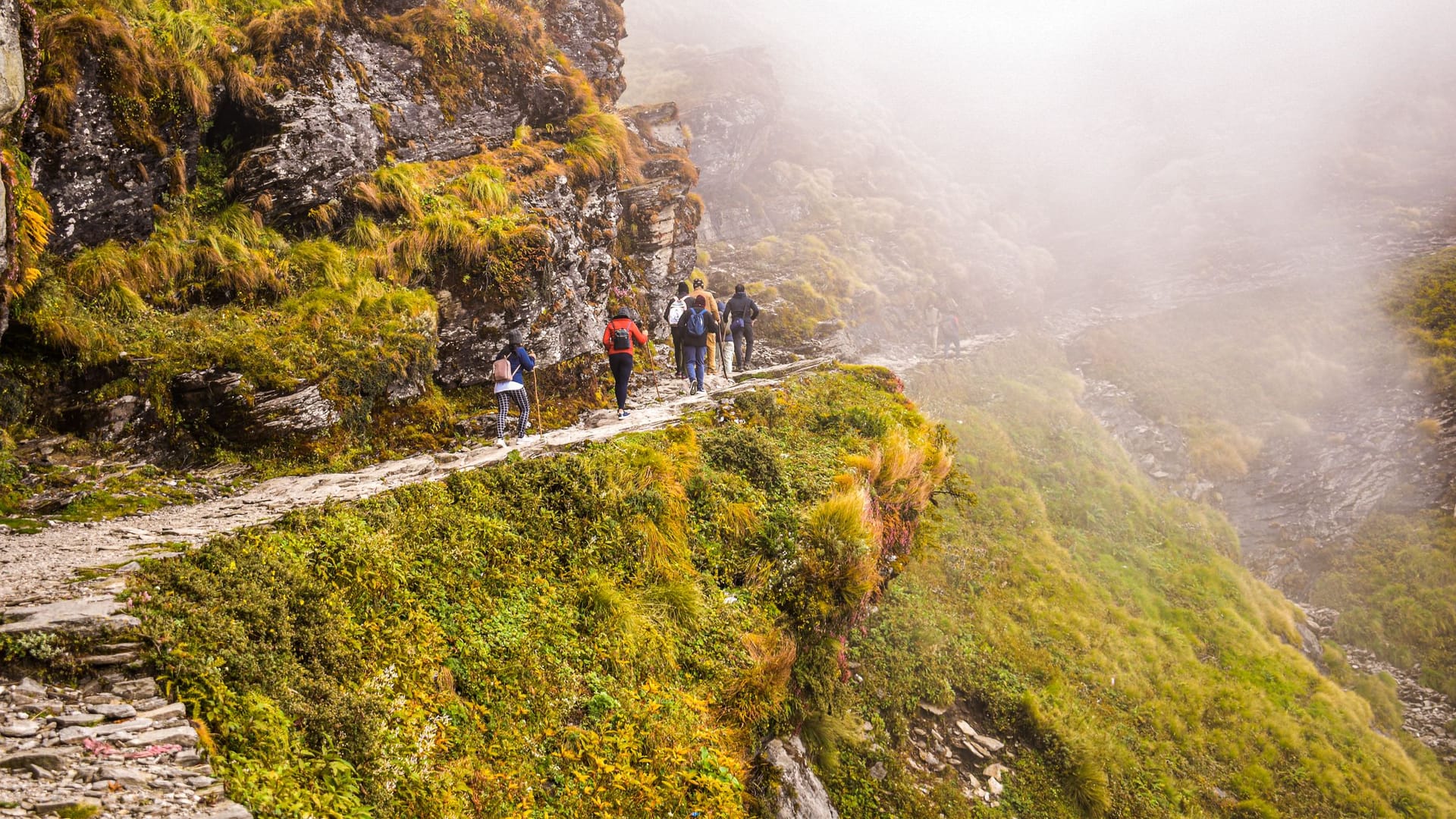
- Carry warm clothing for high-altitude nights, sun protection for daytime valley drives and robust footwear for short treks from roadhead to viewpoints.
- Respect local rules—permits, shrine etiquettes and restricted zones are enforced strictly in many places.
Conclusion
Getting around the Seven Sisters is less about covering kilometres quickly and more about savouring varied landscapes, cultures and communities. Realistic planning—accepting slower average speeds on hill roads, hiring the right vehicle, securing permits in advance and allowing contingency days—turns tricky logistics into a memorable part of your Northeast adventure. With proper preparation you’ll find the roads themselves become part of the travel experience.