5-Day Meghalaya Itinerary Covering Shillong, Cherrapunji and Dawki
A practical 5-day Meghalaya itinerary that covers Shillong, Cherrapunji (Sohra) and Dawki, with sightseeing, trekking options, food tips and travel logistics for first-time visitors from India.
By TravMe travel team · · 7 min read
Meghalaya is a compact state of dramatic landscapes: mist-laced hills, living root bridges, thundering waterfalls and clear rivers fringed by limestone boulders. This 5-day itinerary takes you through the highlights — Shillong’s colonial charm and vibrant cafés, Cherrapunji (Sohra) with its waterfalls and root bridges, and Dawki’s crystal-clear Umngot River — while suggesting practical travel tips and optional add-ons so you can make the most of your visit.
Overview: What to expect in 5 days
This plan balances sightseeing and light trekking with relaxed travel days. You will arrive in Shillong, explore the city and local cuisine, head to Cherrapunji to see waterfalls and the living root bridge area, and spend a day at Dawki and Mawlynnong — Asia’s cleanest village. Expect moderate driving between destinations on hilly roads; local drivers and shared taxis are common. The itinerary is suitable for couples, friends and small families who enjoy nature and short hikes.
How to reach Meghalaya
Shillong is the usual base for exploring Meghalaya. Common access options from major Indian cities:
- By air: The nearest major airport is Shillong’s Umroi (Shillong) or Guwahati’s Lokpriya Gopinath Bordoloi Airport (better connectivity). From Guwahati, Shillong is about 100–120 km by road.
- By rail: Guwahati is the nearest major railhead. From there, taxis and buses connect to Shillong and points in Meghalaya.
- By road: State-run and private buses operate to Shillong from Guwahati and other north-eastern towns. Renting a car with a driver is a convenient option for a multi-destination itinerary.
- Explore Police Bazar — Shillong’s main market for handicrafts, woollens and local snacks.
- Visit the Don Bosco Museum if time permits; it offers well-curated displays on northeastern cultures and is a good introduction to the region.
- Walk along Ward’s Lake in the late afternoon for a gentle stroll and people-watching.
- Try local Khasi food — momos, jadoh (a rice-meat preparation), tungrymbai, and handicraft tea at a cosy café.
- Stop at Shillong Viewpoint and Laitlum Canyon en route if you set off early — the canyon offers dramatic panoramic views.
- On arrival in Cherrapunji visit Nohkalikai Falls, a striking plunge waterfall with a viewing platform. Nearby are smaller falls and viewpoints worth a quick stop.
- Also see Seven Sisters Falls and Dainthlen Falls for photographic opportunities and dramatic cascades.
- Evening: stay in Cherrapunji or a nearby guesthouse. The cool, misty weather is typical and pleasant outside monsoon peaks.
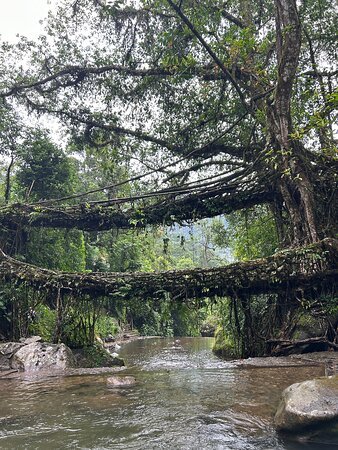
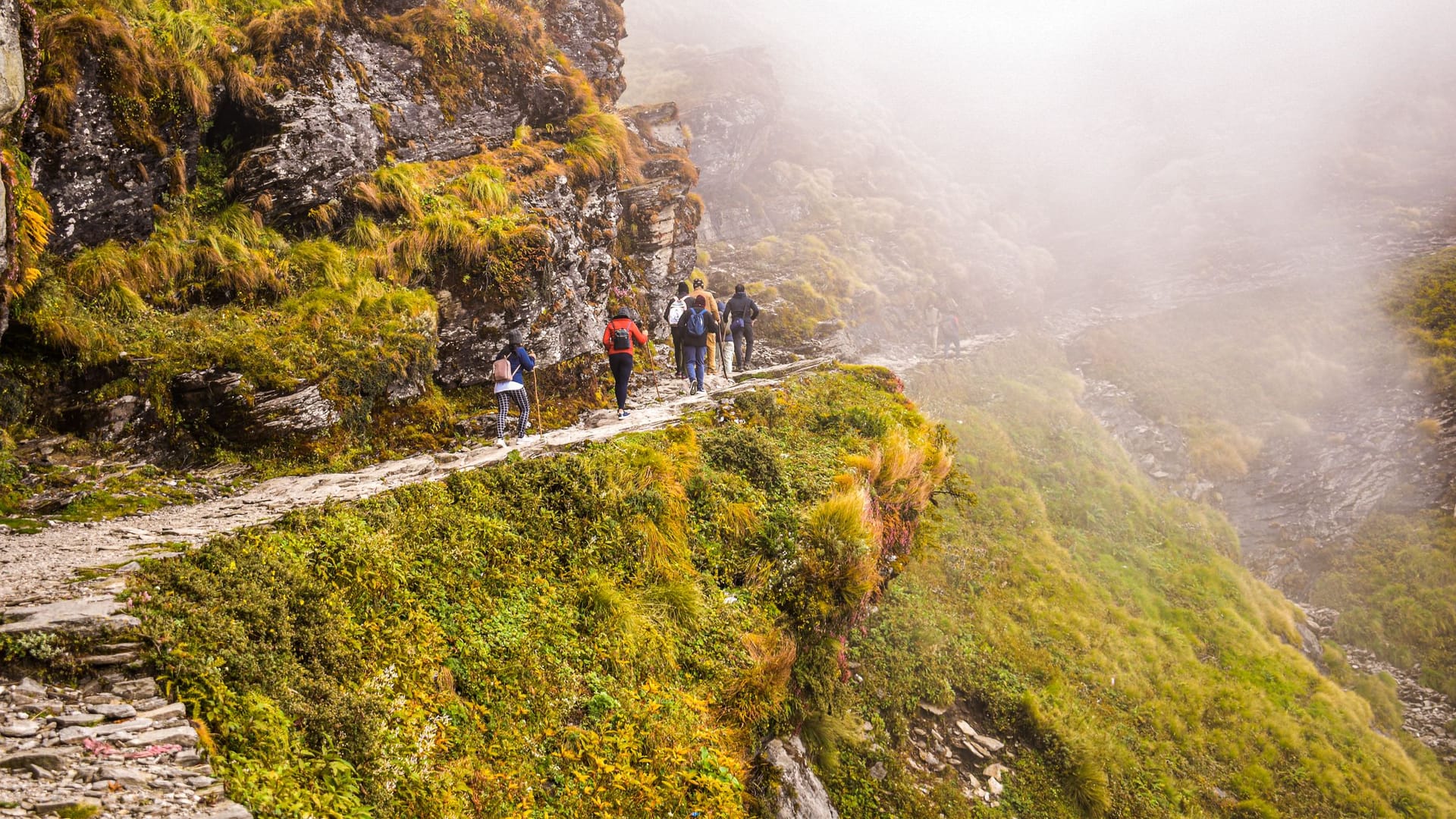
- Nongriat (Double Decker Living Root Bridge): It’s a rewarding but strenuous trek (several hundred steps down and up). Carry water, snacks, and be prepared for slippery trails during wet weather.
- Alternative: Visit the single root bridges near Umshiang or Tyrna, which involve shorter walks.
- Explore cave sites such as Mawsmai Cave — a limestone cave system accessible with a short walk.
- Enjoy sunset views from Eco Park or nearby viewpoints to see clouds spill over valleys.
- Mawlynnong: A short visit is enough to experience the village’s clean, community-driven atmosphere. Local guides can explain sanitation initiatives and village life.
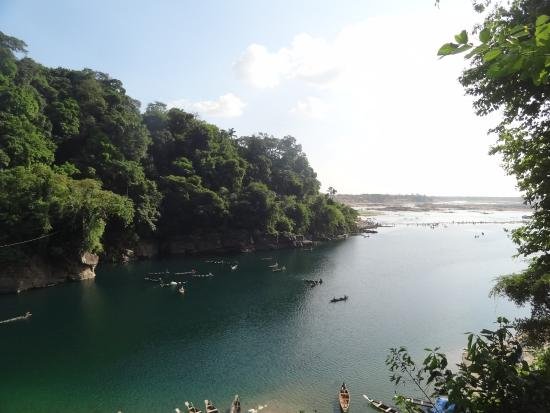
- Proceed to Dawki and Shnongpdeng in the afternoon. Dawki is on the India–Bangladesh border and is famous for the Umngot River’s crystal-clear waters.
- Take a boat ride on the Umngot River when water levels permit. The river’s clarity means the boat seems to glide on glass — a favourite photo subject.
- If you’re interested, opt for kayaking or short river-based activities in Shnongpdeng (availability is seasonal and depends on operators).
- Return to Shillong in the evening or stay in Mawlynnong/Dawki area depending on energy and bookings.
- Visit the Don Bosco Museum if you missed it on day 1, or explore local art galleries and handicraft stores for Khasi and Jaintia souvenirs.
- Plan travel to Guwahati for onward connections or finish your Meghalaya trip with a quiet afternoon at Lady Hydari Park or Shillong Peak for final panoramic views.
- Try jadoh (spiced rice with meat), tungrymbai (fermented soybean mash) and local chutneys.
- Cafés in Shillong offer a mix of north-eastern and continental dishes, perfect for a relaxed evening.
- Carry light snacks and water on day hikes; options are limited on some trails and in remote villages.
- October to April: Cooler, drier and ideal for sightseeing and trekking; roads are generally in better condition.
- May to September (monsoon): Dramatic waterfalls and lush green landscapes, but heavy rain can make trails slippery and some roads difficult. Travel flexibility is essential during monsoon months.
- Light warm layers and a waterproof jacket.
- Comfortable walking shoes with good grip; extra socks for wet treks.
- Reusable water bottle, basic first-aid kit, sunscreen and insect repellent.
- Power bank, torch/headlamp for cave visits, and copies of ID documents.
- Weather-related hazards: Rain can cause landslides and slippery paths; avoid risky trails during heavy rain.
- Trekking: Stick to marked trails, hire local guides for unfamiliar routes, and tell someone your plan for longer treks like Nongriat.
- Respect local customs: Dress modestly in villages and seek permission before photographing people closely.
- Leave no trace: Carry back waste from treks and stay on designated paths to protect fragile ecosystems.
- Laitlum Canyon overnight camp: For those who want a peaceful, scenic stop en route to Cherrapunji or on the way back to Shillong.
- Riwai Elephant Falls: A few kilometres from Shillong and an easy visit if you have extra time.
- Longer treks in the Khasi Hills: Several multi-day routes exist for experienced hikers who want to explore beyond the main attractions.
- Carry cash: ATMs are available in Shillong but may be scarce in remote villages.
- Book accommodations in advance during peak weekends and holidays.
- Use local tour operators and guides to support the community and gain local knowledge about trails, weather and etiquette.
Road conditions vary; many roads are narrow and winding. Allow extra travel time between towns, and travel during daylight when possible.
Day-by-day itinerary
Day 1 — Arrival in Shillong: Settling in and local sights
Arrive in Shillong and check into your hotel or homestay. Use the rest of the day to acclimatise to the altitude and explore the neighbourhood.
Day 2 — Shillong to Cherrapunji (Sohra): Waterfalls and viewpoints
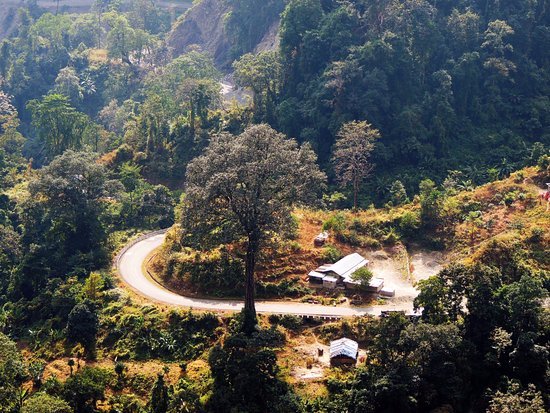
Drive to Cherrapunji (often called Sohra), one of the wettest places on earth. The journey takes you through pine forests, scenic viewpoints and typical Meghalaya landscapes.
Day 3 — Cherrapunji: Living root bridges and easy treks
Devote this day to exploring the living root bridges and surrounding trails. The most famous double-decker living root bridge is in Nongriat, but reaching it requires a descent and ascent of many steps. Assess fitness and time; alternatives exist around Cherrapunji.
Day 4 — Cherrapunji to Dawki via Mawlynnong
Start early and head to Mawlynnong village, often called Asia’s cleanest village. Wander the neat lanes, planted hedges and the living root tree bridge in the village.
Day 5 — Back to Shillong: Relaxed morning and departure
On your final day, take a relaxing morning in Shillong. Use any spare time for last-minute shopping or a leisurely café breakfast.
Where to stay
Accommodation ranges from budget guesthouses and homestays to comfortable hotels in Shillong and Cherrapunji. In Dawki and Mawlynnong options are simpler — homestays and community-run lodgings give a local feel. Booking ahead matters during peak weekends and festive periods.
Food and dining tips
Meghalaya cuisine is hearty and centred around rice and pork, though vegetarian options are available. Street food and local restaurants serve momos, pakoras, fried fish and Khasi specialities. A few pointers:
Best time to visit
Meghalaya is beautiful year-round, but timing depends on what you want to do:
Packing checklist
Pack for hill weather and outdoor activities:
Local transport and permits
Shared taxis and private cabs are common for inter-town travel. If you hire a car with a driver, confirm expected routes and stops. There are no special permits for domestic travellers to Shillong, Cherrapunji or Dawki, but if you plan to venture into protected areas or across the border region near Dawki, check current local regulations and border restrictions. Always carry photo ID while travelling.
Safety and responsible travel
Tip: Start early for long drives and popular sights. Early mornings offer clearer river views at Dawki and quieter trails at the living root bridges.
Optional add-ons and detours
Final practical tips
Meghalaya’s charm lies in its pace: misty mornings, rushing waterfalls and villages woven into the landscape. This 5-day loop through Shillong, Cherrapunji and Dawki covers the essentials while leaving room for spontaneous discoveries. With sensible planning — comfortable shoes, flexible schedules and respect for local communities — you’ll return with vivid memories and photographs of some of India’s most photogenic hill country.