Getting Around Sikkim: Private Cabs, Shared Jeeps and Road Conditions
A practical guide to getting around Sikkim by private cabs and shared jeeps, with realistic expectations about road conditions, permits, safety and tips to make your mountain journey smooth and memorable.
By TravMe travel team · · 6 min read
Sikkim’s dramatic landscapes — from emerald valleys to snow-capped peaks — reward travellers who are prepared for mountain roads and changing weather. Whether you choose a private cab for comfort and flexibility or a shared jeep for budget-friendly local flavour, knowing how Sikkim’s road network works will help you plan safer and smoother travel.
Overview: Transport options in Sikkim
Sikkim is small in area but large in elevation changes. That means travel times can be surprisingly long even for short distances. The main transport options are:
- Private cabs — hired for a day or a whole trip, ideal for families and those who want comfort and an adjustable itinerary.
- Shared jeeps — economical, commonly used by locals and budget travellers, and useful for popular routes between towns and villages.
- State-run buses and private buses — available on some routes but less frequent and slower than jeeps or cars.
- Self-driving — possible for experienced mountain drivers, though not recommended for first-time Himalayan drivers due to narrow, steep sections and unpredictable conditions.
Private Cabs: Comfort, convenience and what to expect
Private taxis are the most popular choice for visitors who want to explore Sikkim at their own pace. They are particularly useful if you have a tight schedule, elderly travellers, heavy luggage, or want to stop often for views and photos.
Advantages
- Door-to-door service with scheduled pick-up and drop-off.
- Greater storage space for luggage and equipment.
- Ability to adjust itinerary on the go — useful for weather or health-related changes.
- Comfortable seating and typically more experienced drivers for tourist routes.
Booking and pricing
Private taxis can be booked through hotels, travel agents, or online aggregators. In small towns like Gangtok, Pelling or Namchi you will also find taxi stands and local operators. Prices vary by vehicle type, season and distance — always confirm whether fuel, driver allowances and permits are included. For day hires, drivers usually expect a full-day rate rather than short hourly tariffs.
Vehicle types
Sikkim’s roads favour high-ground-clearance vehicles. Common options include SUVs and MUVs such as Toyota Innova, Mahindra Bolero, Tata Sumo and similar models. These are better on gravel and muddy stretches than sedans.
Shared Jeeps: Budget-friendly and authentic
Shared jeeps are the backbone of local transport. They operate on fixed routes and leave when full. For solo travellers or backpackers, shared jeeps offer a cost-effective and sociable way to travel between towns and remote villages.
How shared jeeps work
- Jeeps gather passengers at designated stands or popular pickup points; they depart when they reach capacity.
- Schedules can be flexible but departures are often early morning for longer routes.
- They may make multiple stops to drop off or pick up passengers along the way.
Pros and cons
- Pros: Low cost, immersive local experience, frequent on busy corridors.
- Cons: Less comfort, crowded interiors, limited luggage space, less flexibility on timing.
Key Routes and Typical Travel Times
Below are approximate travel times under normal conditions. Mountain roads are unpredictable, so always allow extra time.
- Bagdogra or New Jalpaiguri (rail/airport) to Gangtok: Road transfer is common; allow time for mountain ascent and traffic delays.
- Gangtok to Pelling: A scenic drive crossing ridges; expect several hours depending on stops and road work.
- Gangtok to North Sikkim base (Lachen/Lachung): Long drives with early starts; many travellers break the journey at intermediate stops.
- Gangtok to Nathula/Tsomgo Lake: Shorter trips but often require permits and are weather-dependent.
Road Conditions and Seasonal Variations
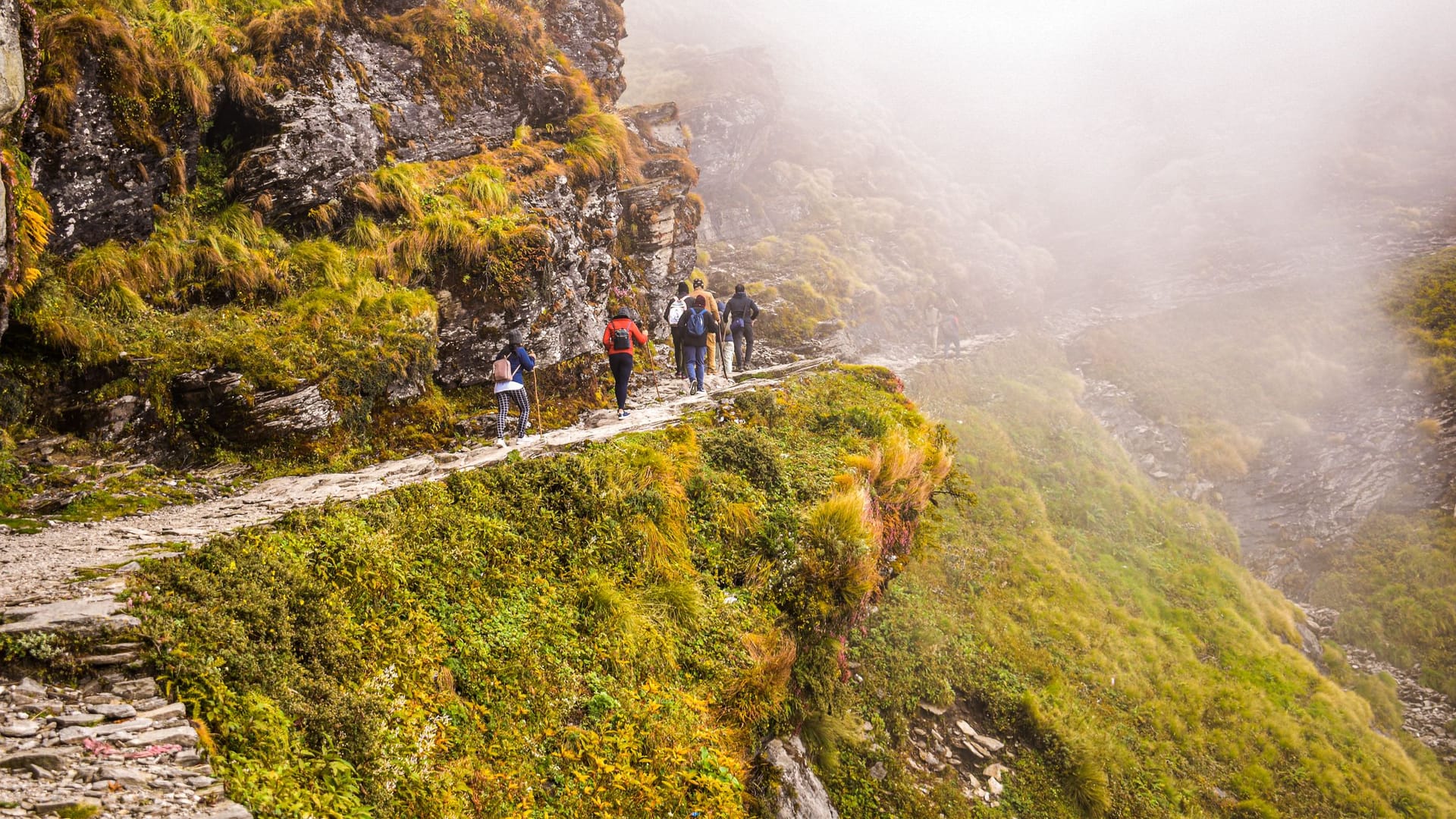
Sikkim’s roads are a mix of well-paved highways, newly widened stretches and narrow, winding mountain tracks. Condition varies by region and season.
Monsoon (June–September)
Monsoon brings the highest risk of landslides and roadblocks. Expect slow travel and occasional diversions. Many minor roads may be impassable — always check local weather forecasts and ask your driver about recent landslide activity.
Winter (December–February)
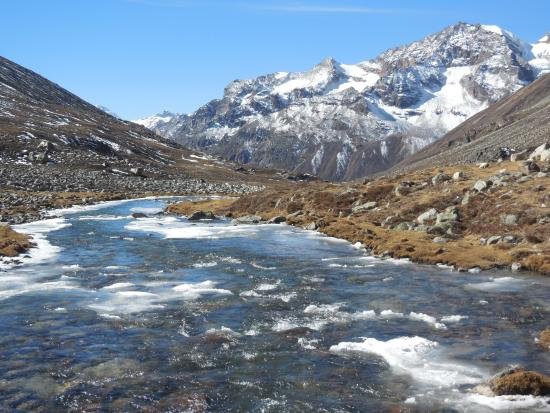
Higher-altitude roads can be snowbound. Pass closures and delayed services are common; tyre chains and experienced drivers are necessary for snow stretches. Carry warm clothing and allow buffer days in your itinerary.
Spring and Autumn (March–May, October–November)
These are the most reliable months for road conditions and visibility. BRO and state authorities often undertake maintenance during the shoulder seasons, improving certain stretches.
Permits and Documentation
Certain areas in Sikkim require special permits. Rules can change, so always verify before you travel.
- Permits are commonly required for visits to northern border zones and some high-altitude lakes and passes.
- Foreign nationals generally need Restricted Area Permits or Protected Area Permits for many parts; Indian nationals may also need permits for certain zones. Carry government ID and spare copies.
- Permits are processed at designated offices or via tour operators — many hotels and taxi operators can help arrange them.
Safety Tips and Practical Advice
Mountain travel in Sikkim is rewarding but requires basic preparation and common-sense precautions.
Before you travel
- Check weather forecasts and road conditions for your route.
- Book drivers with mountain experience; local knowledge matters when roads are tricky.
- Carry identification, permit copies, emergency cash and a power bank—mobile coverage is patchy in hills.
On the road
- Avoid night driving where possible; visibility and road signage are limited on many stretches.
- Keep luggage compact and well-secured; don’t overpack the vehicle’s roof unless it is specifically arranged.
- Respect local driving etiquette: honk at blind corners where drivers typically do, and give way to uphill traffic where roads are single-lane.
- Stay hydrated and pace yourself to adjust to altitude changes. If anyone feels unwell, stop and rest.
Choosing Between Private Cabs and Shared Jeeps
Make your decision based on budget, group size, comfort needs and itinerary flexibility.
- Choose private cabs if you value time, comfort, and the ability to stop or change plans spontaneously.
- Choose shared jeeps if you want to save money, travel like a local, and don’t mind less comfort or fixed departure times.
Insider tip: If you’re doing a long circuit with several high-altitude stops, a private cab for the first or last leg can help with acclimatisation and luggage management, while shared jeeps work well for short hops between nearby villages.
Booking and Negotiation Pointers
Always clarify what’s included in the fare: fuel, driver allowance, tolls and permit fees. For private hires, get a written or WhatsApp-confirmed itinerary and agreed rate. For shared jeeps, ask other passengers and the driver about exact drop-off points and luggage arrangements.
Essentials to Carry in the Vehicle
- Water and snacks for long stretches with few shops.
- Basic first-aid kit, medicines for altitude sickness if needed, and any personal prescriptions.
- Warm layers, waterproof jacket, sunglasses and sunscreen.
- Power bank, torch/flashlight and photocopies of ID/permits.
Final Considerations
Sikkim’s roads may look daunting, but with realistic expectations, the right vehicle choice and sensible planning you’ll find travel here to be part of the adventure. Respect local rules, allow extra time, and prioritise safety over speed. Drivers and local operators are generally helpful — communicate clearly, ask questions about road conditions, and enjoy the changing vistas as you move through this compact Himalayan state.
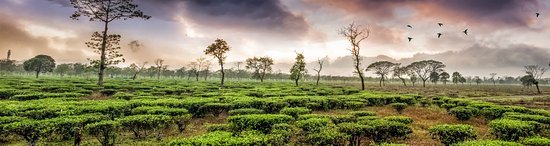
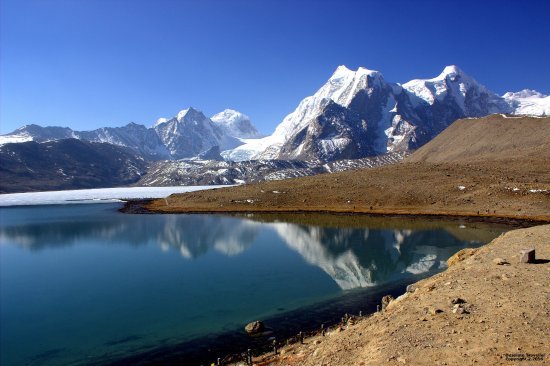
With these tips you’ll be better prepared to decide between private cabs and shared jeeps, manage permits and stay safe on Sikkim’s mountain roads — leaving you free to savour the tea-scented valleys, pristine lakes and mountain peaks that make travel here special.
Happy travels — and drive safely!