Getting Around Nusa Penida: Roads, Drivers and Practical Tips
Practical guide to navigating Nusa Penida: road conditions, hiring drivers, vehicle tips, safety advice and suggested itineraries to make the most of your island stay.
By TravMe Holidays travel team · · Updated · 7 min read
Nusa Penida is a dramatic island off Bali, famous for its towering limestone cliffs, turquoise bays and rugged interior. Getting around here is part adventure, part logistics: narrow winding roads, steep descents, and a friendly community of local drivers and guides. This guide gives you practical, experience-based advice on roads, transport options, safety, and smart planning so you can explore the island confidently.
Quick overview: geography and transport links
Nusa Penida lies southeast of mainland Bali and is accessed by boat from Sanur, Padangbai and other points. The island itself has three main hubs: the harbour area around Toya Pakeh and Sampalan, the southern regions near Crystal Bay and Kelingking, and the eastern side with Diamond Beach and Atuh. Roads connect these areas but expect slow travel because of terrain and conditions.
How boats affect your timing
Fast boats operate daily but schedules can change according to weather and sea conditions. Always allow buffer time for missed or delayed crossings, especially if you need to connect to flights or tours. Mornings tend to have calmer seas and more reliable services; returning trips in the late afternoon can be rougher, particularly during the rainy season.
Road types and driving conditions
Roads on Nusa Penida range from tarmac to narrow dirt tracks. The main coastal roads are generally paved but often uneven with potholes, while interior and access roads to viewpoints can be steep, single-lane and unpaved.
Typical road features
- Potholes and uneven surfaces even on paved stretches.
- Steep gradients and sharp bends around cliffs.
- Limited roadside barriers in many viewpoints — use caution near edges.
- Narrow sections where vehicles must give way; local drivers are adept at manoeuvring.
- Loose gravel and mud during/after rain on unpaved tracks.
Night driving
Avoid driving after dark unless necessary. Street lighting is limited outside towns and many roads lack proper markings. If you must travel at night, keep speeds low, use high beams selectively and watch for pedestrians, livestock and motorbikes parked with engines off.
Hiring drivers and local transport options
Choosing the right transport depends on your comfort level, group size and appetite for adventure. Here are the most common options and what to expect.
1. Private driver with car
Many visitors hire a car with a local driver for a day. Benefits include comfort, local knowledge and the ability to reach several viewpoints without the stress of driving. Drivers usually know the best times to visit attractions and the safest approaches to tricky roads. Negotiate a clear rate that includes fuel and waiting time. A driver is a particularly good idea for families, older travellers or those short on time.
2. Scooter rental
Renting a scooter is the cheapest and most flexible option for solo travellers and couples. However, scooters require confident riding skills due to road conditions and steep descents. Helmets are essential; choose a scooter in good mechanical condition and ensure brakes and lights work properly. Carry a small tool kit and be comfortable handling a puncture or minor mechanical issue.
3. Car rental (self-drive)
Self-driving is possible if you have experience with narrow, hilly roads and Indonesian driving conditions. Many rental cars are manual transmission; check local insurance coverage and confirm what to do in case of breakdown. A local driver can be added to your booking for extra safety and local insight.
4. Shared bemo and taxis
Shared minibuses and local taxis exist but are less predictable than on Bali. Shared bemo services may run between villages but schedules are sparse. For flexibility and safety, private drivers or scooters remain the most popular options for tourists.
Safety, paperwork and practicalities
Follow these practical tips to stay safe and avoid hassles while exploring Nusa Penida.
Licences and insurance
- Carry your driving licence if you plan to ride a scooter; an International Driving Permit is advisable for car rentals but check with providers.
- Confirm what the vehicle insurance covers and keep contact details for the rental company or driver.
Helmets and protective gear
Always wear a helmet on scooters, even if laws are inconsistently enforced. Long sleeves, closed shoes and a small backpack with basic supplies (water, sunblock, first-aid) make rides safer and more comfortable.
Medical and emergency planning
Medical facilities on the island are limited. Carry basic medications, a well-stocked first-aid kit and copies of important documents. For serious emergencies, evacuation to Bali may be necessary; check whether your travel insurance covers medical evacuation.
Fuel and mechanical issues
Fuel stations are limited; refill when you have a chance rather than waiting until levels run low. Local mechanics and roadside help are available in main villages, but remote assistance can take time. If renting, ask the provider about their roadside support policies.
Practical tips for navigating the island
Small choices make a big difference to your experience on Nusa Penida. Use these tips to have a smoother trip.
Pace your itinerary
Even if attractions look close on a map, factor in slow road speeds and time for steep walks at viewpoints. Plan one or two major stops per day rather than trying to tick off every site. Popular loops include the western Kelingking-Crystal Bay route and the eastern Diamond Beach-Atuh Bay circuit; each can comfortably be a day trip with a driver.
Best times to visit attractions
Arrive early (before 9am) to beat crowds at Kelingking and Broken Beach. Midday offers different light for photos but can be crowded. Late afternoons around viewpoints can be beautiful but watch your descent as light fades.
Support local drivers and guides
Hiring a local driver or guide benefits the local economy and often provides insights you won’t find in guidebooks. Drivers can suggest safe entry points to beaches, the best photo angles and where to rest for a fresh coconut or snack.
Cash, connectivity and supplies
- Carry sufficient cash in Indonesian rupiah — ATMs on the island are limited and can run out.
- Mobile reception is generally adequate near villages and main sites, but intermittent in remote spots.
- Pack water, snacks and sun protection; shelters and shops exist but may be basic at remote beaches.
Environmental and cultural respect
Follow local rules at sacred sites and avoid leaving waste behind. Many viewpoints and beaches are ecologically fragile; use bin points where available and carry out what you bring in.
Accessibility and special needs
Nusa Penida is not well-suited for travellers with serious mobility limitations. Many attractions require steep descents or climbs with uneven steps. If you have mobility or health concerns, hire a private driver who can recommend accessible viewpoints and help with transfers. Discuss specific needs with accommodation providers before booking.
Sample one-day routes
Here are two suggested itineraries to help you plan, each assuming a local driver and moderate time on site.
Western highlights (recommended start from Toya Pakeh)
- Kelingking viewpoint for sunrise or early morning views
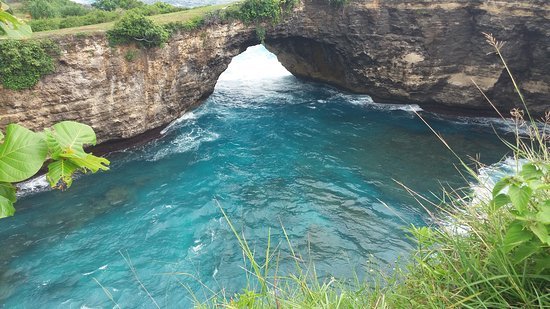
- Broken Beach and Angel's Billabong for dramatic cliffs and natural pools
- Lunch in one of the seaside warungs
- Crystal Bay for afternoon swimming and snorkelling
Eastern highlights (recommended start from Sampalan)
- Thousand Island viewpoint for panoramic cliffs
- Atuh Beach and Diamond Beach — steep descent but iconic scenery
- Rumah Pohon treehouse viewpoint for photos
Common mistakes to avoid
- Underestimating travel time between points — distances may be short but slow roads add minutes.
- Riding a scooter beyond your skill level on steep, gravelly tracks.
- Assuming mobile connectivity everywhere — download maps offline and keep battery chargers handy.
- Not checking boat schedules and weather before planning return trips to Bali.
Local knowledge goes a long way: a trustworthy driver can turn a stressful day of navigation into a relaxed discovery of Nusa Penida’s best spots.
Final words and where to start
Nusa Penida rewards travellers who prepare and pace themselves. Decide whether you want independence on a scooter or peace of mind with a driver, pack for changing weather and rough roads, and prioritise safety. With the right planning, the island’s dramatic landscapes and quiet beaches become even more memorable. For first-time visitors, booking a local driver for at least one day is the wisest way to see highlights without worry.
Enjoy the vistas, respect the island, and take time to savour the slower pace — Nusa Penida’s beauty is best explored with patience and care.