Getting Around Gujarat: Private Cabs, Trains and Long Road Journeys
Practical guide to getting around Gujarat by private cab, train and long road journeys—covering booking tips, major routes, comfort options, driving conditions and sustainable travel advice for Indian travellers.
By TravMe travel team · · 7 min read
Gujarat is a state of contrasts: vibrant cities, expansive coastline, salt flats, and rural hinterlands. Whether you prefer the comfort of a private cab, the economy and reach of trains, or the freedom of long road journeys, each mode of travel has its advantages. This guide helps you choose the best way to move around Gujarat, plan key routes, and prepare for a smooth, enjoyable trip.
Overview: Choosing the Right Mode of Transport
Your choice depends on time, budget, comfort and the kind of experience you want. Private cabs offer door-to-door convenience and flexibility for day trips or multi-day itineraries. Trains are efficient for inter-city travel and provide a chance to experience local life. Road journeys—self-drive or with a driver—are ideal for exploring rural areas, wildlife reserves, the Rann of Kutch and coastal stretches.
Private Cabs in Gujarat
When to Choose a Private Cab
Private cabs are best for short to medium transfers, sightseeing within cities, airport pickups, or customised multi-day tours. They are particularly useful if you are travelling in a group, have heavy luggage, or want to stop frequently for photography and local experiences.
Types of Services and How to Book
- App-based taxis: Major cities like Ahmedabad and Surat have app-based options that are convenient for short trips.
- Outstation taxis: Many local operators and national brands offer point-to-point and multi-day packages.
- Private tour cabs: Travel agencies provide dedicated cars with drivers familiar with tourist routes and local attractions.
For safety and reliability, book through reputable companies or recognised platforms. Confirm the vehicle type, driver identity, day-wise itinerary, and payment terms in writing, especially for multi-day bookings.
Costing and Negotiation Tips
Cab fares vary with vehicle type, distance and season. For long day trips, drivers may quote a daily rate that includes fuel and basic allowances. Always clarify whether tolls and parking are included. If you are negotiating with independent drivers, agree on a clear cancellation policy and any extra charges for night travel or additional stops.
Comfort and Practical Considerations
- Ask for a driver who speaks at least basic English or Gujarati if communication matters.
- Choose a larger vehicle if you have lots of luggage or are travelling with elderly family members.
- Carry bottled water and sun protection; Gujarat can be hot and dry for much of the year.
Travel by Train
Why Travel by Train in Gujarat
Trains are an excellent way to cover long distances efficiently and economically. Gujarat has a well-connected rail network linking major cities like Ahmedabad, Vadodara, Rajkot, Bhavnagar, Bhuj and Surat. Trains are also a good option if you prefer predictable timing and a lower-carbon travel option.
Types of Trains and Classes
You will find local passenger trains, express services and premium options connecting Gujarat to other states. Booking classes range from unreserved seating to air-conditioned chair cars and sleeper coaches. For comfort on longer journeys, consider AC classes or chair cars on daytime services.
Booking and Timings
Book tickets through official online platforms or authorised agents. For popular festivals and weekends, book well in advance. Check the timetable carefully; some regional services run less frequently than national trains. Station amenities vary: major junctions have waiting rooms and food stalls, while smaller stations are more basic.
Onboard Tips
- Keep your tickets and ID handy for inspections. Indian Railways often requires ID for reserved travel.
- Carry light snacks and a refillable water bottle; pantry services are limited on some regional trains.
- Secure luggage under berths or in overhead racks; keep valuables on your person.
Long Road Journeys: Planning and Routes
When to Drive and What to Expect
Driving in Gujarat is rewarding: wide highways, scenic coastal stretches and dramatic landscapes like the Rann of Kutch. Road quality on major national and state highways is generally good, but rural roads can be narrow and uneven. Night driving is common but exercise caution in less-signed rural stretches.
Popular Long Road Routes
- Ahmedabad to Kutch (Bhuj): A long but spectacular drive—passes industrial towns, salt flats and tribal regions. Plan stops at heritage sites and craft towns en route.
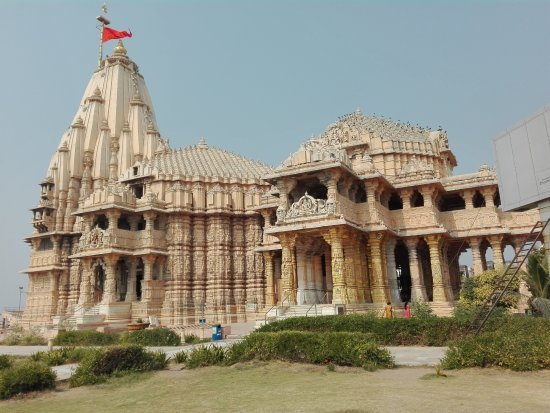
- Ahmedabad to Dwarka and Somnath: Coastal temples and pilgrimage towns that make for an enriching cultural circuit.
- Vadodara to Gir National Park: For wildlife lovers wanting to see Asiatic lions; roads here vary from highways to rural stretches.
- Surat to Saputara: A short mountain drive to Gujarat’s only hill station—pleasant and lush compared to the plains.
Self-Drive vs. Driver-Driven
Self-drive gives you full control, but be prepared for long hours and unfamiliar driving conditions. Indian road rules and local driving styles require alertness. Hiring a driver allows you to relax and benefit from local knowledge about routes and stops. For long journeys through rural or tribal areas, a driver acquainted with local roads is often preferable.
Essentials to Carry
- First-aid kit, basic tool kit and a spare tyre.
- Paper and digital copies of vehicle documents and driving licence.
- Snacks, water, a power bank and physical maps or offline navigation downloads.
- Cash for tolls, small shops and remote areas where digital payments may not work.
Practicalities: Permits, Tolls and Fuel
Permits and Vehicle Regulations
Most personal vehicles need no special permits for intra-state travel. If you plan to cross into neighbouring states, check permit requirements for commercial or rental vehicles. For wildlife reserves and some protected areas, advance permits or forest department passes may be necessary—book these early.
Tolls, Fuel and Charging Infrastructure
Gujarat’s highways have toll plazas; keep change or use digital toll systems where available. Fuel stations are common on major routes but sparser in remote regions and in Kutch—top up when you can. If you drive an electric vehicle, plan charging stops in advance; charging infrastructure is growing but not yet ubiquitous in rural areas.
Safety, Comfort and Sustainable Travel
Safety Advice
- Follow local traffic rules, avoid speeding, and take breaks on long drives to prevent fatigue.
- Use reputable operators and verify driver credentials for private cabs and tours.
- Keep emergency numbers and the contact details of your consulate or travel agency readily available if you are an international traveller.
Making Travel More Sustainable
Consider trains or shared cabs to reduce per-person emissions. Support local economies by eating at family-run eateries and buying handicrafts directly from artisans. Respect natural habitats—especially in sensitive areas like the Rann of Kutch and Gir National Park—by sticking to designated routes and following park guidelines.
Sample Itineraries Using Different Modes
Short: Ahmedabad Day Trip by Private Cab
Start early to cover the city’s major sights, markets and a brief culinary tour. A private cab saves time between scattered attractions and allows you to tailor the day to family needs or mobility requirements.
Medium: Ahmedabad to Bhuj by Train + Local Cab
Take an overnight or daytime express to a major junction, then hire a local cab for day trips into Kutch villages, salt pans and handicraft centres. This mixes rail comfort with targeted local transport.
Long: Coastal and Cultural Circuit by Road
A multi-day road journey linking Dwarka, Somnath and Diu or Saurashtra’s temples and beaches is best done by a mix of self-drive and hired driver days to balance driving fatigue and sightseeing.
Final Tips Before You Leave
- Check weather forecasts and road conditions during monsoon or peak summer months.
- Keep a flexible itinerary—Gujarat rewards unplanned stops at roadside eateries and craft markets.
- Carry both digital and paper copies of bookings and local maps to avoid surprises in areas with limited connectivity.
Travelling across Gujarat can be a joyous blend of convenience and discovery. Whether you prefer the comfort of a private cab, the rhythm of the rails or the immersive pace of long road journeys, planning and local awareness will help you make the most of this diverse state.
Conclusion: Choose your transport based on comfort, time and the experience you want. Book in advance when possible, respect local customs and road rules, and allow time for spontaneous detours—those often become the most memorable parts of a Gujarat trip.