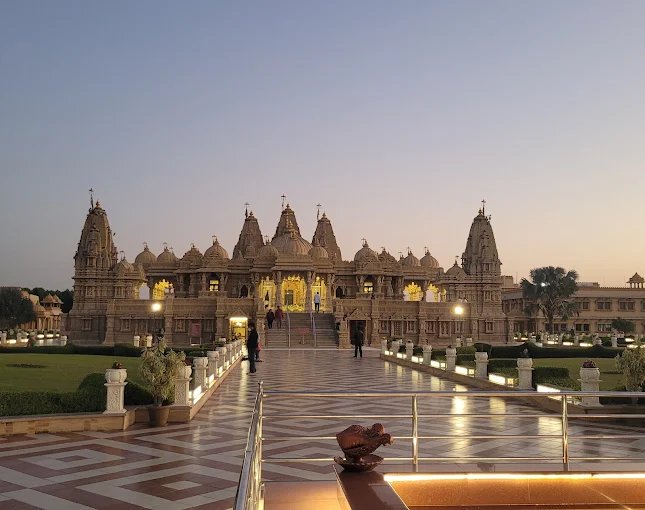
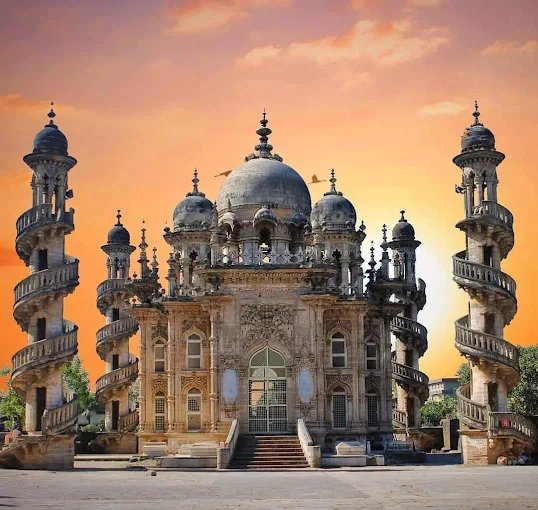
Dwarka to Somnath Coastal Drive via Porbandar and Madhavpur
A scenic coastal drive from Dwarka to Somnath via Porbandar and Madhavpur, combining ancient temples, Gandhi’s hometown, quiet beaches and lively fishing hamlets—ideal for a 2–3 day road trip along Gujarat’s Saurashtra coast.
By TravMe Holidays travel team · · Updated · 6 min read
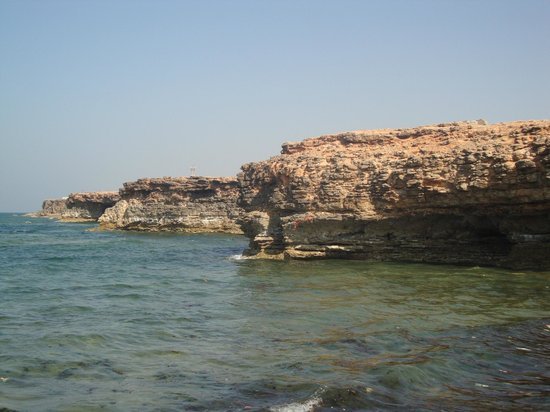
The coastal stretch between Dwarka and Somnath is one of Gujarat’s most rewarding road trips: salt-sprayed sea air, low limestone cliffs, historic temples and quiet fishing villages stitched together by a ribbon of highway. Driving from Dwarka to Somnath via Porbandar and Madhavpur introduces travellers to the spiritual and cultural heart of Saurashtra while offering postcard-worthy sea views, excellent food and opportunities to explore offbeat stops along the shore.
Why this route is special
This drive blends pilgrimage and heritage with authentic coastal life. Dwarka and Somnath are two of India’s major temple towns—both ancient, each with its own legend and religious significance. Porbandar adds a very different layer: the birthplace of Mahatma Gandhi with colonial-era homes, quiet ghats and a relaxed pace. Madhavpur is a lesser-known coastal hamlet with a fine beach and temple that provides a peaceful interlude between the busier nodes. The route is compact enough for a short leisure drive yet rich in varied experiences.
Suggested itinerary: 2–3 days
This is a flexible plan you can compress or lengthen depending on how many stops you want to make.
Day 1: Dwarka — explore and head to Porbandar
- Start early at Dwarka to visit the Dwarkadhish Temple and nearby shrines. If time permits, take a short boat trip to Beyt Dwarka.
- After darshan and lunch, begin the coastal drive toward Porbandar. Stop at any scenic points for sunset photography or to stretch along lesser-known beaches.
- Arrive in Porbandar in the evening. A walk along the foreshore and a visit to Kirti Mandir (Gandhi’s birthplace museum) are relaxing ways to close the day.
Day 2: Porbandar — Madhavpur — Somnath
- Explore Porbandar in the morning—Mangrol fort remains, local temples and the harbour give a flavor of coastal life. Try fresh coastal cuisine at a local dhabha or restaurant.
- Drive southwest toward Madhavpur, a short coastal detour where the beach, the old temple and the scenic shoreline offer a quiet stop. Spend time walking the sand and chatting with fishermen if you like.
- Continue to Somnath for the evening aarti at the Somnath Temple—one of the most evocative temple ceremonies along the Arabian Sea.
Optional Day 3: Explore Somnath and nearby
- Visit the Somnath Temple complex, Triveni Sangam, and the archaeological museum. Drive short distances to nearby beaches, lighthouse points or small villages to experience local life and handicrafts.
- Consider a day trip to Veraval fishing harbour or other nearby coastal pockets for fresh seafood and harbour activity.
Key sights and experiences
Dwarka
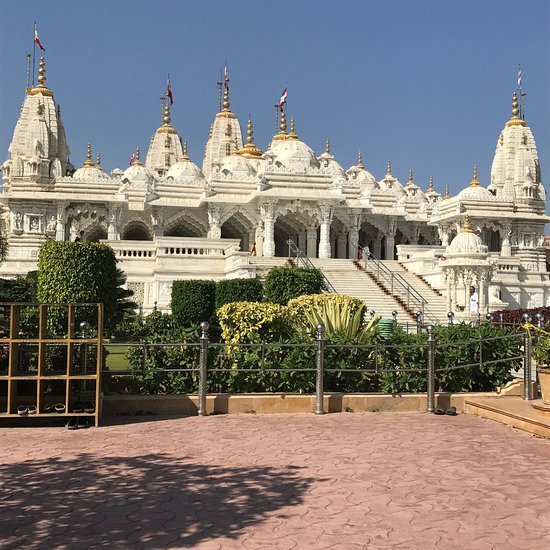
Dwarka’s spiritual energy is unmistakable. Visit the Dwarkadhish Temple, take a walk in the old bazaars and, if time allows, cross to Beyt Dwarka by boat to see ancient ruins, temples and sandy coves. The evening aarti at Dwarka is a moving experience; plan visits around temple timings.
Porbandar
Porbandar is quieter than other coastal towns but full of character. Highlights include:
- Kirti Mandir: a well-maintained museum dedicated to Mahatma Gandhi with photographs and family memorabilia.
- Sudama Mandir and other smaller temples: give a glimpse of devotional life away from the major pilgrim routes.
- Porbandar foreshore and beaches: calm, often uncrowded, good for walks and sunsets.
Madhavpur
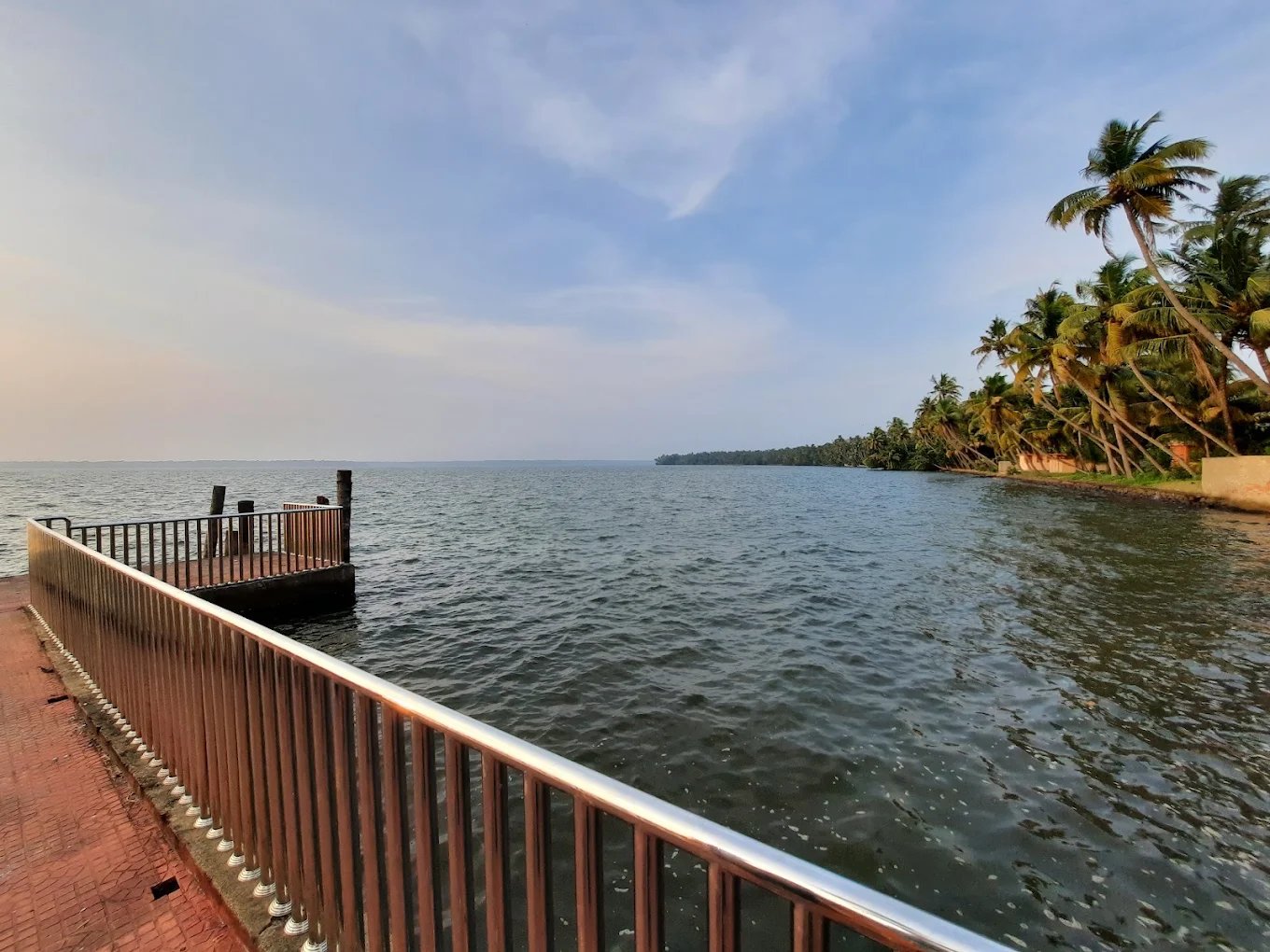
Madhavpur is a small town with a lovely beach and a significant temple that finds mention in local history. It’s an excellent stop for those who want to avoid large crowds—a place to experience slow coastal time, photograph fishing boats and sample home-style seafood. The beach here is ideal for an early morning walk or for watching fishermen launch their boats.
Somnath
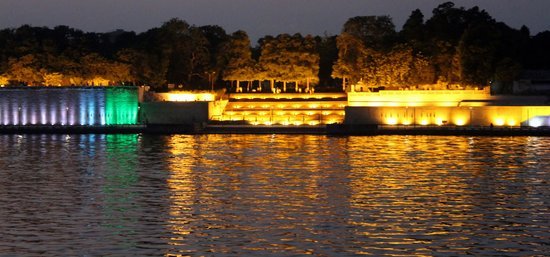
Somnath’s coastal temple complex is one of India’s most revered pilgrimage sites. The reconstructed Somnath Temple stands majestically on the shore, and the evening aarti is a highlight. Nearby, the Triveni Sangam and small archaeological finds remind you of the town’s long history. The harbour and adjacent markets sell handicrafts, brass items and devotional offerings.
Roads, driving tips and safety
The coastal route is generally well-maintained, with stretches of scenic two-lane highways and occasional four-lane sections near major towns. Typical cautions for driving in Saurashtra apply:
- Start early to avoid city traffic and afternoon glare when driving along the coast.
- Keep fuel topped up: while fuel stations exist on the main route, some smaller stretches between towns have fewer options.
- Watch for slow-moving vehicles, livestock and cyclists when passing through villages.
- Night driving is possible but avoid poorly lit rural stretches if you can; visibility may be limited and roadside pedestrians common.
Where to eat
The region offers satisfying coastal and Gujarati cuisine. Try local seafood—pomfret, prawns and mackerel—prepared in simple coastal styles at trusted eateries in Porbandar and Somnath. Gujarati thalis are widely available and a reliable option for vegetarians. In smaller hamlets, opt for freshly cooked local food and packaged bottled water.
Where to stay
All three towns provide a range of accommodation: budget lodges, mid-range hotels and some heritage properties. Somnath has larger hotels near the temple complex, while Porbandar has quieter guesthouses near the foreshore. For a more authentic experience, choose a smaller coastal guesthouse or family-run inn in Madhavpur or nearby villages.
Best time to travel
The ideal months are from October to March when weather is pleasant—moderate temperatures and little rainfall. Summers are hot and humid, particularly inland, and monsoon season brings heavy rains and rough seas, which can affect coastal driving and boat services.
Practical tips and local etiquette
- Temple dress code: Respect dress requirements at temples—modest clothing is recommended and footwear must be removed.
- Photography: Most public areas are fine for photos, but ask permission before photographing people, especially in fishing villages or during religious rituals.
- Local customs: Be mindful of religious sensibilities—avoid loud music in temple towns and follow local instructions during rituals.
- Cash and cards: While cards are widely accepted in larger towns, carry some cash for small shops, local eateries and village purchases.
Carry patience and curiosity: the charm of this coastal drive lies as much in unhurried moments on a quiet beach as in the famous temples.
Packing checklist
- Sunscreen, sunglasses and a hat for strong coastal sun.
- Comfortable walking shoes and light layers for evenings.
- Reusable water bottle and basic first-aid kit.
- Adaptor and power bank; mobile connectivity is good in towns but may be patchy on some stretches.
- Light rain jacket if travelling during the shoulder monsoon months.
How to personalise the trip
Depending on your interests you can tailor the drive:
- Heritage focus: Spend extra time in Porbandar exploring colonial-era homes, local museums and traditional crafts.
- Beach and photography: Break the drive into several short legs, stopping at lesser-known coves and villages to capture local life and coastal sunsets.
- Spiritual route: Combine longer stays at Dwarka and Somnath to attend multiple aartis, visit surrounding temples and participate in local rituals.
Final tips
Keep your itinerary flexible: unexpected local festivals, weather changes or the lure of a quiet beach may change travel plans for the better. Respect local life, support small vendors and take home memories rather than souvenirs that harm the environment. The Dwarka–Porbandar–Madhavpur–Somnath coastal drive is an invitation to slow travel—savour the gentle pace, the sea air and the deep cultural rhythms of Saurashtra.
Whether you’re seeking spiritual solace, coastal tranquillity or an authentic road-trip experience, this route delivers a memorable slice of Gujarat that stays with you long after you return home.