Dry Season vs Wet Season in Bali: Which Suits Your Trip?
Bali’s dry and wet seasons each offer unique experiences — from sun-soaked beaches and clear seas to lush landscapes and quieter temples. This guide helps you choose the best time based on activities, budget and crowd preferences.
By TravMe travel team · · 5 min read
Bali has two principal seasons — a dry period of sunshine and a wet period of tropical showers — and each changes the island’s mood, activities and practicalities. Whether you crave surfable waves, rice-terrace greens, cultural festivals or a quieter escape, knowing what each season brings will help you plan a better trip.
Quick season overview
Bali’s climate is tropical monsoon with two main seasons:
- Dry season: Generally from April to September. Expect lower humidity, minimal rain and abundant sunshine.
- Wet season: Generally from October to March. Expect frequent short to heavy showers, higher humidity and greener landscapes.
Weather and daily life: what to expect
During the dry months, mornings and afternoons are bright and warm, with cooler evenings in higher altitudes like Ubud and the central highlands. This is ideal for long beach days, boat trips and clear sunsets. The wet season brings afternoon or evening downpours that usually last from 30 minutes to a few hours — interspersed with bright, humid intervals. Flooding can occur in low-lying areas after very heavy storms, and roads in rural areas may become slippery or muddy.
Temperature and humidity
Temperatures in Bali remain fairly stable year-round; daytime highs commonly range from the mid-20s to low-30s Celsius. The main difference is humidity: it rises noticeably in the wet months, making the heat feel more intense and encouraging mid-day rests or frequent hydration.
Activities by season
Choose your season based on what you most want to do — water sports, culture, photography, or tranquillity.
Dry season highlights
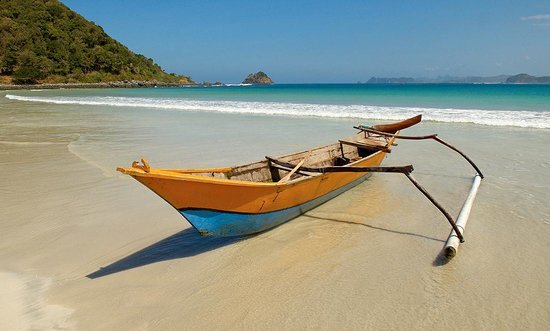
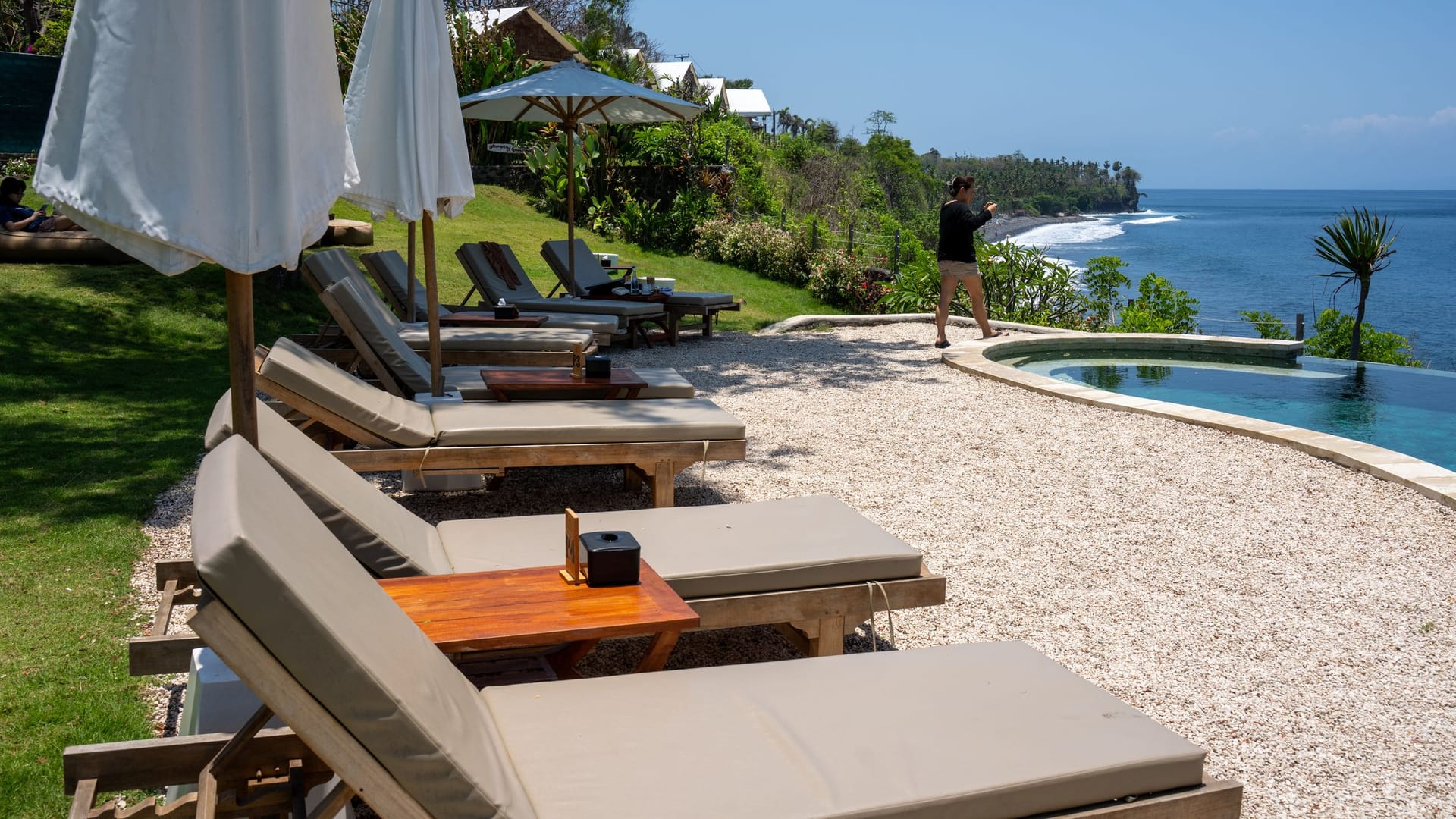
- Beaches and sun: Crystal-clear water and calmer seas make the dry months perfect for swimming, snorkelling and sunbathing on beaches like Seminyak, Canggu and Nusa Dua.
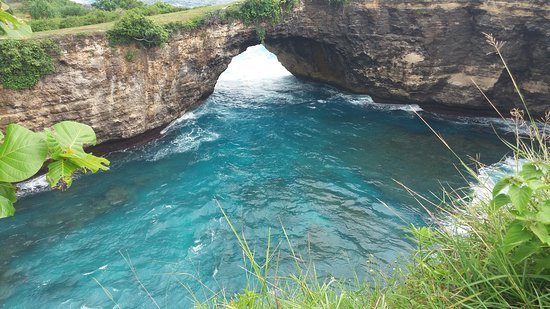
- Diving and boat trips: Visibility is at its best for diving and island-hopping to Nusa Penida, Nusa Lembongan and the Gili islands.
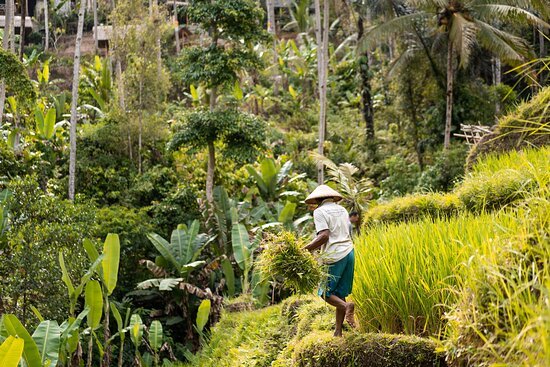
- Trekking and outdoor sightseeing: Trails to Mount Batur and walks through the Jatiluwih rice terraces are more predictable and safer without heavy rains.
- Festivals and nightlife: Many cultural events and beach parties align with dry months, and nightlife in Seminyak and Kuta is fully vibrant.
Wet season highlights
- Lush landscapes: Rice terraces, waterfalls and jungle appear at their most dramatic and photogenic after rain.
- Lower crowds and off-season rates: Hotels, tours and restaurants often offer better deals, and popular sites are quieter.
- Cultural immersion: With fewer tourists, you may enjoy more authentic interactions during temple visits and local ceremonies.
- Surfing for beginners and experts: The wet season changes swell and wind conditions; certain breaks improve while others become challenging. East coast surf spots can be better off-season.
Crowds and prices
The dry season is Bali’s peak tourist period. Expect larger crowds at popular beaches, temples (like Tanah Lot and Uluwatu) and restaurants. Accommodation and flight prices are typically higher, and securing popular villas or guided tours requires early booking. Conversely, the wet season sees fewer international visitors — a good time for travellers seeking quieter streets and more flexible booking options. Note that Indonesian holiday periods and local school breaks can also affect crowd levels irrespective of the season.
Packing list for each season
Packing thoughtfully will keep you comfortable regardless of weather swings.
Dry season essentials
- Light cotton clothing, sunhat and sunglasses.
- High SPF sunscreen and a reusable water bottle.
- Flip-flops or sandals, plus reef-safe footwear if you plan to snorkel.
- Light jacket for cooler evenings in higher altitudes.
Wet season essentials
- Light rain jacket or compact umbrella; quick-dry clothing.
- Waterproof bag for electronics and important documents.
- Good grip shoes or sandals suitable for muddy paths.
- Insect repellent — mosquitoes can be more active after rain.
Best time to visit by activity
- Surfing: Dry season brings consistent west and southwest swells for Uluwatu, Canggu and Kuta, while the wet season favours east coast breaks.
- Snorkelling and diving: Dry months offer the clearest waters and calmer conditions for seeing manta rays and colourful reefs.
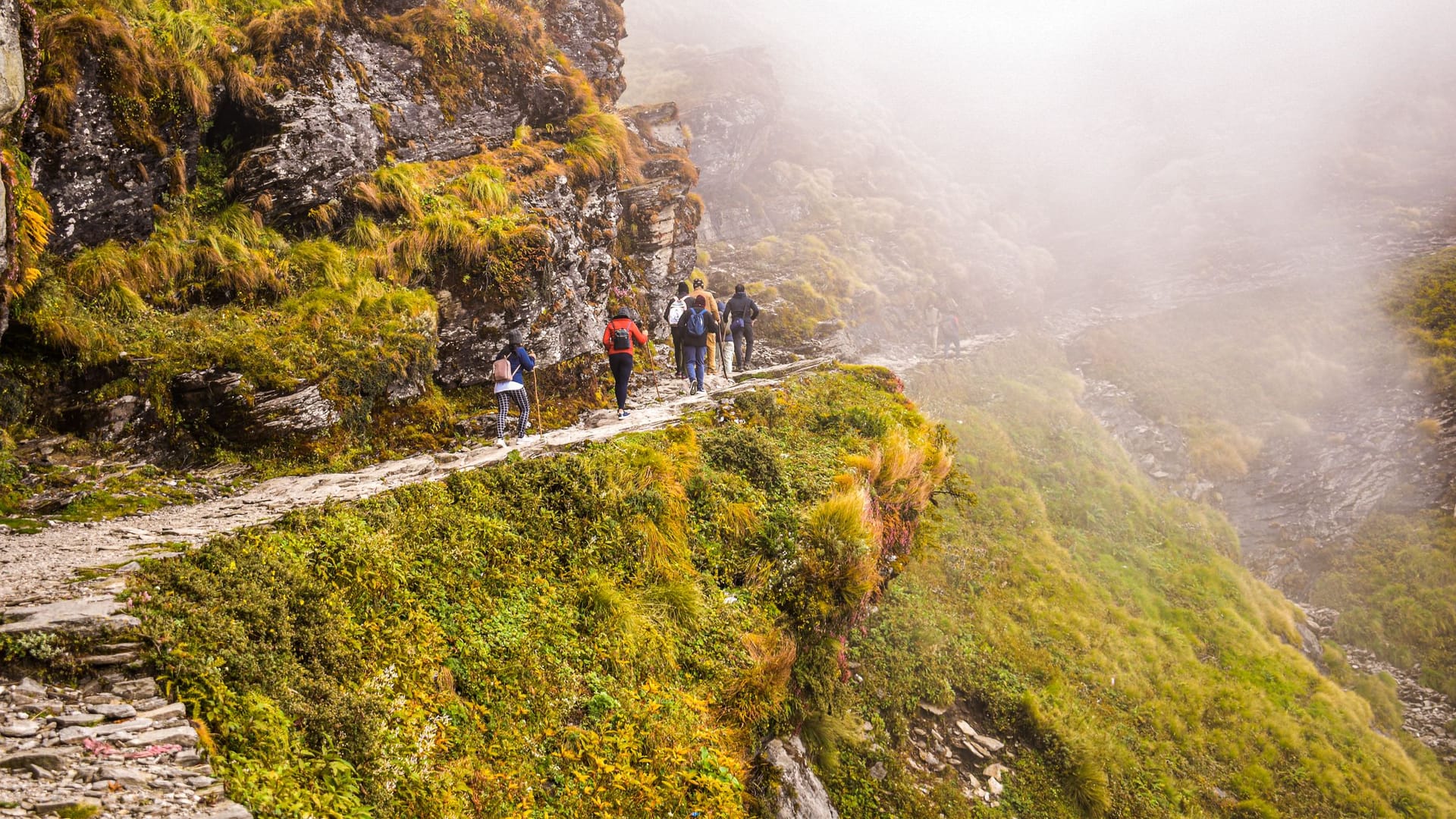
- Hiking and trekking: Dry weather is safer for sunrise treks up Mount Batur; rainy months can make trails slippery.
- Photography: Wet season is great for dramatic skies, lush greens and fewer people at iconic spots.
- Cultural visits: Temple ceremonies occur year-round; dry months are easier for travel logistics, but wet months can feel more intimate.
Regional differences within Bali
Bali’s microclimates mean the season’s effect varies by area. Ubud and the central highlands can be cooler and misty, especially in wet months. The east coast (Amed, Tulamben) can remain calm during parts of the wet season and is famed for diving. The Bukit Peninsula (Uluwatu, Jimbaran) is exposed to southwest swells in the dry season and draws surfers then. Nusa Penida and neighbouring islands will reflect sea-conditions: clearer in the dry months, while boat services may be disrupted during heavy rain.
Practical travel tips
- Book popular activities in advance during the dry season; in wet months, call ahead for daily updates on boat services and dive trips.
- Keep flexible travel time when moving between regions — heavy rain can slow road travel.
- Respect local customs: temple dress codes apply year-round; carry a sarong or rent one at the entrance.
- Carry basic first-aid and any prescription medicines; pharmacies are available but may have limited hours in remote areas.
- Consider travel insurance that covers weather-related disruptions — useful in both seasons for different reasons.
Travel tip: If you want sunshine, beaches and lively nightlife, aim for the dry season. If you prefer lush scenery, lower prices and quieter temples, the wet season can be surprisingly rewarding.
Which season should you pick?
Consider your priorities:
- If you prioritise beaches, diving and predictable weather for sightseeing, choose the dry season (April–September).
- If you seek green landscapes, better deals, fewer crowds and a more intimate cultural experience, the wet season (October–March) is a fine choice.
- If you’re flexible, consider shoulder months (April–May and September–October) which often combine good weather with lower visitor numbers and moderate prices.
Final thoughts
Bali is rewarding year-round. The dry season brings guaranteed sunshine and easy logistics for outdoor adventures; the wet season offers dramatic natural beauty, quieter attractions and potential savings. Match the island’s seasonal character to your travel intentions — whether that’s a sun-drenched surf trip, a verdant photography journey, or a calm, culture-rich retreat — and Bali will deliver memorable experiences whatever the monsoon brings.
Safe travels and selamat jalan — may your Bali trip be exactly the escape you’re hoping for.