Common Mistakes to Avoid on Your First Bhutan Trip
Heading to Bhutan for the first time? Learn the common pitfalls travellers make — from permit misunderstandings and etiquette slips to packing errors and trekking prep — and how to avoid them for a smooth, respectful trip.
By TravMe Holidays travel team · · Updated · 6 min read
Bhutan is a country of soaring monasteries, pristine valleys and mindful rhythms. On your first trip you’ll likely feel exhilarated and humbled, but newcomers often make avoidable mistakes that can dent the experience. This guide highlights common errors and practical ways to steer clear of them, so your visit remains respectful, seamless and memorable.
Understand the permit and visa requirements
One of the most frequent issues for first-time visitors is underestimating Bhutan’s entry formalities. Most travellers need a pre-arranged visa and a daily Sustainable Development Fee or tour arrangement through a licensed operator. Visa approval must be processed before travel and your paperwork should match the exact spellings on your passport and ticket.
To avoid delays, start the permit process early and confirm with your tour operator that all documents have been submitted and approved. Keep digital and printed copies of your visa clearance, permit letters and travel itinerary handy both while travelling and at immigration checkpoints.
Don’t ignore cultural etiquette
Bhutanese society values respect, subtlety and ritual. Common etiquette mistakes include loud behaviour in religious sites, improper dress and disregarding local customs. Learn a few basics before you go:
- Dress modestly when visiting dzongs, monasteries and villages: shoulders and knees covered is a good rule.
- Remove hats and sunglasses when entering a temple; men should avoid smoking or making jokes during prayers.
- Use your right hand to give or receive items where possible; if both hands are used, it’s acceptable but the right-hand gesture is more customary.
Being modest in body language and speech goes a long way. If unsure, observe locals and follow their lead.
Respect photography rules
Bhutan offers incredible photo opportunities, but photography is often regulated, especially around religious sites and people. Common mistakes include photographing monks during ceremonies, taking pictures of restricted areas in dzongs, or pointing a camera at people without permission.
- Look for signage that restricts photography and follow it.
- Always ask before photographing individuals — a smile and a polite gesture usually works.
- When in doubt, keep your camera down and enjoy the moment; you can ask later if a photo is allowed.
Pack appropriately — layers and essentials
Underpacking or packing the wrong clothing is another common pitfall. Bhutan’s altitude and microclimates mean temperatures can vary widely within a single day. Plan for layers rather than relying on a single heavy jacket.
- Base layers and a warm mid-layer, plus a waterproof outer shell, are key.
- Good walking shoes for cobbled dzong courtyards and light trekking boots if you plan to hike.
- Sun protection: hat, sunglasses and sunscreen — UV intensity increases with altitude.
- Small first-aid kit and any prescription medicines in original packaging; altitude-related issues are common, so include blister care and basic pain relief.
Prepare for altitude and physical demands
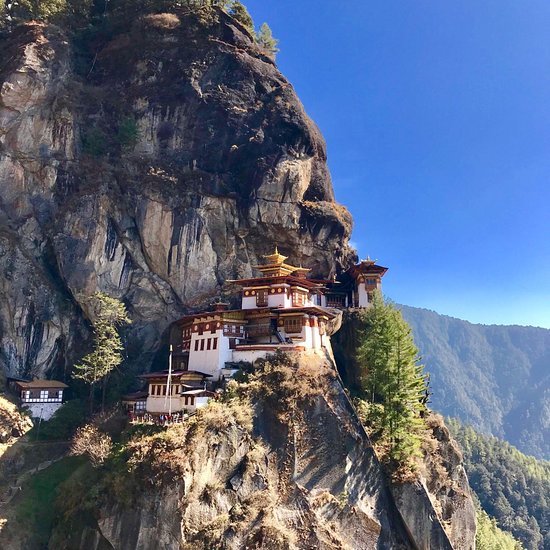
Many visitors underestimate how altitude and trekking affect their fitness. Even short hikes to monasteries like Taktsang (Tiger’s Nest) involve steep ascents and thin air. Common mistakes include overexerting on the first day and not hydrating adequately.
- Acclimatise gradually where possible — avoid strenuous hikes immediately upon arrival.
- Stay hydrated and eat light meals; watch for symptoms of altitude sickness such as headache, nausea or dizziness.
- Consult your doctor about medications for altitude if you have prior issues; consider hiking poles for steep terrain.
Respect religious practices and sacred spaces
Bhutan’s spiritual life is woven into daily activities. A common mistake is treating monasteries and rituals as tourist spectacles rather than living traditions. Observe these simple rules:
- Avoid loud conversations, and don’t interrupt rituals or ceremonies.
- If offered butter tea or tsampa, accept politely — these gestures are part of hospitality.
- Do not touch religious objects, texts or statues unless offered by a host.
Photography and drones around sacred areas
Many monasteries ban drones and flash photography. Always check with your guide and obtain permission where required. Drones, when allowed, often need special permissions from local authorities.
Key tip: When in doubt, be quiet, ask, and follow local guidance. Your curiosity will be appreciated more when paired with respect.
Plan realistic itineraries — avoid packing too much in
Newcomers often try to see too many places in a short time. Bhutan’s winding roads and elevation changes mean travel between towns can take longer than expected. Overambitious planning leads to rushed visits and missed experiences.
- Prioritise a few regions or key experiences rather than ticking off every attraction.
- Allow extra time for travel and unplanned cultural encounters — they are often the highlights.
- If you’re interested in festivals (tshechu), build flexibility into your schedule: transport and accommodation can be busy during festival periods.
Money, tipping and connectivity
Assuming universal card acceptance or seamless connectivity is a common mistake. While larger hotels and shops accept cards, many rural areas and markets operate on cash. Plan for limited internet in remote areas and expect slower mobile data.
- Carry a mix of local currency and an emergency stash in a widely accepted currency. Confirm with your operator where ATMs are available.
- Tipping is not obligatory but appreciated in tourism services; follow your guide’s lead on local customs.
- Download offline maps and save key contact numbers; mobile connectivity can be intermittent in mountain valleys.
Choose sustainable and responsible practices
Bhutan emphasises Gross National Happiness and environmental stewardship. Visitors sometimes forget their role in preserving local culture and ecology. Avoid single-use plastics, stick to marked trails, and shop responsibly for handicrafts — prefer fair-trade outlets or community-run enterprises.
- Carry a reusable water bottle and use refill stations where provided.
- Support local artisans and eateries rather than imported or chain options.
- Respect wildlife and natural habitats; do not feed animals or stray from designated paths.
Communicate respectfully and learn a few phrases
Learning simple Dzongkha phrases — greetings, thank you, or basic pleasantries — enriches interactions. Even if you rely on an English-speaking guide, locals appreciate the effort and it often leads to warmer exchanges.
- Simple phrases like "Kuzu zangpo la" (hello/good day) can open doors.
- Use polite body language: a slight bow or folded hands is always welcome.
Common safety oversights
While Bhutan is generally safe, complacency can still cause problems. Typical oversights include leaving valuables unattended, ignoring weather advisories for mountain passes, and not following guide instructions during treks.
- Secure important documents and valuables in hotel safes where available.
- Check local weather and road conditions, especially in monsoon or winter months.
- Follow your guide’s advice on altitude acclimatisation and route safety.
Conclusion
Visiting Bhutan is an invitation to slow down, be present and connect with a rich cultural fabric. Avoid these common mistakes by preparing paperwork early, respecting local customs, packing smartly, and choosing paced itineraries. A little humility and curiosity will make your first Bhutan trip not just trouble-free, but deeply rewarding.