Best Time to Visit Jibhi and the Tirthan Valley
Jibhi and Tirthan Valley are best visited between spring and early winter, with each season offering unique experiences from rhododendron blooms and trout angling to snow-clad trails and quiet village life.
By TravMe Holidays travel team · · 6 min read
Nestled in the western Himalayas of Himachal Pradesh, Jibhi and the Tirthan Valley offer a pristine counterpoint to the busier hill stations of the region. Their lush forests, riverine trails and cosy homestays draw travellers seeking nature, solitude and simple village life. Choosing the right time to visit can elevate your experience—whether you want sunlit treks, wildflower meadows, monsoon-muffled forests or snow-laden quiet. This guide breaks down what to expect month by month, what activities are best in each season and practical tips to plan your trip from India or nearby states.
Overview: Climate and Geography
Jibhi lies in Banjar Valley while the broader Tirthan Valley stretches along the Tirthan River, both within the Kullu district's western reaches. The valleys sit at elevations roughly between 1,200 and 2,800 metres, so temperatures vary with altitude. The climate is broadly temperate: cool winters with snowfall at higher elevations, mild springs, warm but pleasant summers and a wet monsoon season. Microclimates exist—ridges and shaded gorges feel colder, while south-facing slopes warm quickly in the sun.
Best Overall Time to Visit
For most travellers, the best window is from March to November, excluding the peak monsoon intensity in July and August if you want to avoid rains. Spring (March–May) and autumn (September–November) are the most favourable months: clear skies, accessible trails and vibrant landscapes. If you have a specific aim—snow experiences or witnessing rhododendron blooms—plan around those short seasonal peaks.
Season-by-Season Breakdown
Spring (March to May)
Spring is a delightful time in Jibhi and Tirthan. Temperatures start climbing as winters retreat, days become pleasantly warm and nights remain cool. Rhododendrons, deodars and wildflowers carpet the hills.
- Why visit: Clear weather, blooming forests, accessible high-altitude trails opening up.
- Activities: Trekking to nearby hamlets, birdwatching, river-side picnics, photography and gentle walks to waterfalls and old mills.
- Travel tip: Carry layered clothing—warm mornings and evenings but comfortable afternoons. Sunscreen and a hat are useful at higher altitudes.
Summer (June to August)
Summer draws many travellers escaping the plains. Daytime temperatures are pleasantly cool, making it an excellent time for family trips and extended hikes. However, the monsoon typically begins in late June or early July and peaks through July and August.
- Why visit: Cool climate compared to Indian summers; lush green valleys.
- Be aware: Monsoon rains can lead to slippery trails, occasional landslides on mountain roads and swollen rivers, which may affect trekking and river activities.
- Activities: Short nature walks, village stays, exploring waterfalls during lighter rain spells, trout fishing when permitted.
- Travel tip: Check local road conditions and river levels before planning long treks. Waterproof gear and sturdy footwear are essential.
Autumn (September to November)
Autumn is arguably the most agreeable time: the monsoon has passed, skies are clear, visibility is excellent and the air is crisp. Days are warm, evenings cool — perfect for campfires and stargazing.
- Why visit: Stable weather, clear mountain vistas, excellent trekking conditions.
- Activities: Multi-day treks, angling in the Tirthan River (season and permits permitting), cultural walks and photography.
- Travel tip: Book homestays in advance for weekends and holidays, as this is a popular period among domestic travellers.
Winter (December to February)
Winters bring snow to higher elevations and a tranquil hush to the valleys. Jibhi's higher hamlets may be snowbound, offering postcard-perfect scenes and a quiet atmosphere. Lower valley stretches remain cold but accessible.
- Why visit: Snow experiences, cosy homestays, fewer tourists, magical morning mist and low-season rates for some accommodations.
- Be aware: Heavy snow can block roads and trekking routes. Some trails and remote homestays may close for safety.
- Activities: Short snow treks, photography, enjoying local cuisine and relaxation by stoves or fireplaces.
- Travel tip: Carry reliable winter clothing, insulated boots and microspikes for icy stretches. Confirm road access with hosts or local authorities before travelling.
Month-Wise Snapshot
Here’s a quick month-by-month sense of what to expect so you can align your plans with activities and weather preferences:
- March: End of winter, emerging flowers, still-chilly nights.
- April–May: Best spring viewing, ideal trekking weather.
- June: Pleasant early summer; approach of pre-monsoon clouds.
- July–August: Monsoon spells—lush scenery but unpredictable trails and roads.
- September–October: Prime season for clear skies, treks and river activities.
- November: Cooler, quieter; chances of early snow at higher altitudes.
- December–February: Winter, snow possible, low footfall, perfect for a cosy mountain retreat.
Activities and Best Seasons
Choose the season based on the activities you want to prioritise. Below are common interests and their optimal timings.
Trekking and Hiking
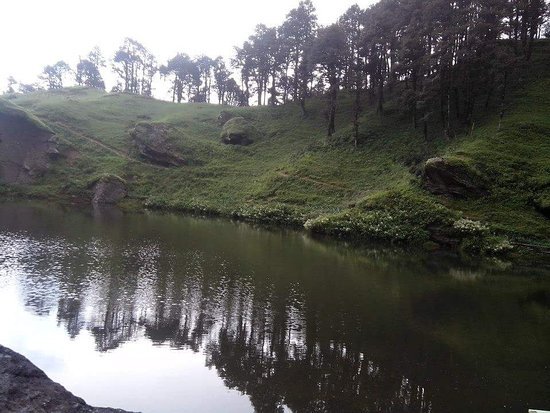
Spring and autumn are the safest and most scenic seasons for trekking. Trails are clear, weather is stable and visibility of surrounding peaks is good. Short treks from Jibhi to Serolsar Lake or deeper into the Great Himalayan National Park (GHNP) are best attempted in these windows.
Fishing and River Activities
Trout fishing in the Tirthan River is a highlight during open fishing season (confirm current local regulations and permits). Autumn and spring offer comfortable water levels and good conditions; monsoon can make river flows dangerous.
Birdwatching and Wildlife
Spring is excellent for birdwatching as migratory and resident species become active. The GHNP and surrounding forests are home to a variety of Himalayan fauna. Early mornings in clear seasons yield the best sightings.
Photography and Nature Appreciation
Autumn and spring provide the most reliable weather and light for photography—clear skies, vibrant colours and crisp air. Winter snows offer dramatic landscapes for committed photographers.
Practical Planning Tips
- Permits and Protected Areas: Parts of the Great Himalayan National Park require permits for trekking and entry. Check current rules and obtain permits through official channels or with the help of local guides.
- Accommodation: Jibhi and many parts of Tirthan Valley rely on homestays and small guesthouses. Book ahead during peak spring and autumn weekends. Winter closures are common—confirm before travelling.
- Health and Safety: Altitude here is moderate, but acclimatise gradually if you plan to move higher. Carry basic first-aid, water purification tablets and any prescription medicines.
- Local Transport: Mountain roads can be narrow and uneven. During monsoon and winter, roadblocks or delays are possible. Hiring a local driver familiar with the route is advisable.
- Responsible Travel: Stick to marked trails, avoid littering and respect local customs. Many villages rely on rivers and forests for livelihood; minimise single-use plastics and support local businesses.
Pro tip: If you prefer solitude and simple village life, consider visiting in late November or early March—shoulder seasons where the valleys are quieter but still accessible.
How to Reach Jibhi and Tirthan Valley
Nearest major railheads and airports are in Chandigarh and Bhuntar (near Kullu) respectively. From there, regular road connections, private taxis and shared buses link to Banjar, Jalori Pass and onward to Jibhi and Tirthan Valley. Road travel times vary with weather and road conditions; plan extra time for hilly stretches, especially in monsoon and winter.
Conclusion
Choosing the best time to visit Jibhi and Tirthan Valley depends on what you want from the trip. For clear skies, trekking and photography, aim for spring (March–May) or autumn (September–November). If you crave snowy vistas and a tranquil escape, winter is perfect with the caveat of limited access in heavy snow. Monsoon offers verdant beauty but comes with travel uncertainties. With thoughtful planning and respect for local conditions, these valleys reward travellers with some of the most peaceful and authentic Himalayan experiences in Himachal Pradesh.