Best Time to Visit Dalhousie and Khajjiar
Decide when to visit Dalhousie and Khajjiar with a month-by-month guide covering weather, activities, festivals, crowd levels and practical tips to make the most of your Himachal trip.
By TravMe Holidays travel team · · 6 min read
Dalhousie and nearby Khajjiar, nestled in the Dhauladhar range of Himachal Pradesh, offer a delightful mix of pine-scented walks, colonial charm and high-altitude meadows. Choosing the best time to visit depends on what you want: snow-clad landscapes, temperate sightseeing, adventure activities or quieter trails. This guide breaks down the seasons, month-by-month advice, activities, packing lists and travel tips to help you plan the perfect escape.
Quick overview: Seasons at a glance
Himachal’s hill weather changes quickly with altitude and season. Dalhousie (approx. 1,970 m) is slightly lower than Khajjiar (approx. 1,925–2,000 m) but both share broadly similar climatic patterns:
- Summer (April–June): Pleasant days, cool nights — ideal for sightseeing and outdoor activities.
- Monsoon (July–September): Heavy rains in some years; lush landscapes but landslide risk and limited outdoor options.
- Autumn (October–November): Stable weather, clear skies and great views; excellent for trekking and photography.
- Winter (December–February): Cold with frequent snowfall — perfect for snow lovers but road disruptions possible.
Best overall months to visit
If you want a single recommendation, May to October is generally the most comfortable window for most travellers. For snow experiences, aim for December to February. For the best balance of good weather, accessibility and fewer crowds, April–June and October–November are ideal.
Month-by-month guide
January – February (Deep winter)
These are the coldest months, with regular snowfall in Dalhousie and Khajjiar. Temperatures drop significantly at night and daytime may remain near freezing on heavy snow days. Roads can be affected by snow clearing operations.
- Why go: Authentic winter experience, snow play, picture-perfect landscapes and peaceful stays.
- Who it suits: Couples and families who want snow, photographers, travellers comfortable with cold and possible disruptions.
- Be aware: Some higher-altitude trails and attractions may be closed; book accommodation with heating and check road status before travel.
March – April (Transition to spring)
Snow begins to melt, flowers start to appear and the days get noticeably warmer. Late March and April are great for seeing rhododendrons and early alpine blooms.
- Why go: Pleasant climate, fewer tourists than peak summer, good for walks and local sightseeing.
- Who it suits: Nature lovers, families and anyone wishing to avoid peak-season rates.
May – June (Summer holidays)
These are prime months for travel to Himachal. Dalhousie and Khajjiar offer relief from India’s plains heat; days are pleasant and nights cool. This period sees the highest footfall, especially during school and summer holidays.
- Why go: Best time for outdoor activities—horse rides in Khajjiar, short treks, sightseeing across Dalhousie’s viewpoints and colonial walks.
- Who it suits: Families, groups, and first-time visitors wanting full accessibility and facilities.
- Tip: Book early for weekends and holidays to secure good hotels.
July – September (Monsoon)
The monsoon brings lush green scenery and dramatic cloudscapes, but heavy rains increase the risk of slippery roads and landslides in some parts of Himachal. Dalhousie and Khajjiar receive rain, but the intensity varies by year.
- Why go: Very few tourists, verdant forests and flowing streams give a romantic feel; hotel deals may be available.
- Who it suits: Travelers seeking solitude and low-season rates, who are comfortable with wet weather and flexible plans.
- Be cautious: Avoid remote trekking during heavy rains; keep extra time for travel between destinations.
October – November (Autumn clarity)
Post-monsoon clears the air completely. The skies are crisp and views of the Dhauladhar range are spectacular. Temperatures are cool but comfortable during the day.
- Why go: Ideal for trekking, photography and long walks; less crowded than summer yet still accessible.
- Who it suits: Photographers, hikers and travellers looking for perfect mountain views without winter cold.
Dalhousie vs Khajjiar: Timing differences and experiences
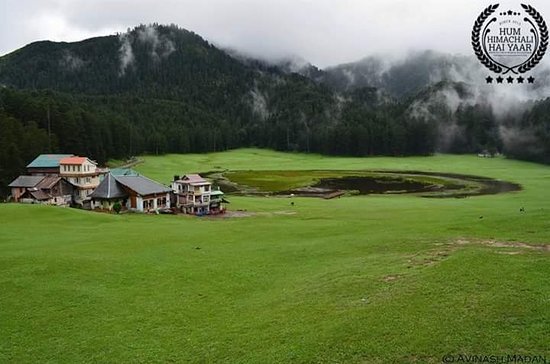
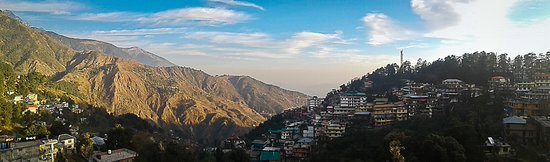
Dalhousie is a colonial hill station with wide promenades, churches and viewpoints; Khajjiar is a meadowed plateau often called the 'Mini Switzerland of India'. Both are close by and easily combined, but the experiences can differ slightly by season:
- Winter: Khajjiar’s meadow becomes a favourite for snow play and makes for memorable photos. Dalhousie’s higher vantage points offer panoramic snow views.
- Summer: Both are lively; Khajjiar buzzes with pony rides and adventure activities, while Dalhousie attracts visitors to its colonial architecture and nature walks.
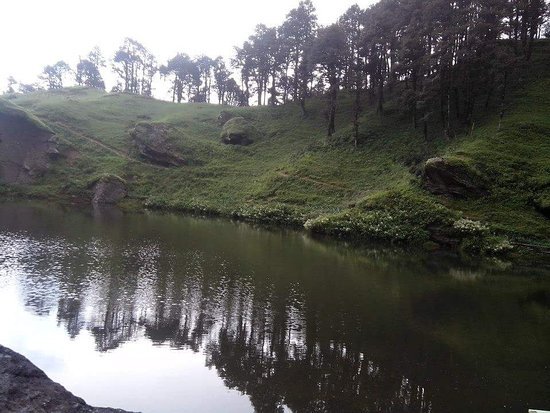
- Monsoon: Khajjiar’s meadow is emerald but can be wet; Dalhousie sees fewer tourists and quieter streets — a different kind of charm.
Festivals and special events
Catching local festivals can add cultural depth to your trip. While Dalhousie and Khajjiar follow Himachali traditions, these events are the most notable times:
- Local fairs and temple celebrations: Small, colourful gatherings happen through the year in surrounding villages — a good chance to experience local culture.
- Christmas and New Year: Dalhousie’s colonial churches and festive décor draw visitors seeking a Western-style winter celebration.
- Adventure meets and trekking events: Periodic local initiatives promote walks and nature awareness—check local listings or travel operators for dates.
What to pack by season
Smart packing improves comfort and safety in hill weather. Essentials change with season:
- Summer/Transition (Apr–Jun, Oct): Light woollens, a good windcheater or light jacket, comfortable walking shoes, sunscreen and a rainproof layer for unexpected showers.
- Monsoon (Jul–Sep): Waterproof jacket, quick-dry clothing, sturdy shoes with grip, insect repellent and a small first-aid kit for blisters or minor cuts.
- Winter (Dec–Feb): Heavy woollens, thermal innerwear, insulated jacket, gloves, warm cap, good trekking boots and sunglasses for snowy glare.
Practical travel tips
- Road connectivity: Dalhousie is accessible by road from major cities; the nearest railhead and airport require further road travel. During winter and monsoon seasons, check road conditions and allow extra travel time.
- Altitude and acclimatisation: Though not extreme, give yourself a day to relax if you come from low altitudes, especially if you plan higher treks or extensive walking.
- Cash and connectivity: ATMs are available in Dalhousie but may be sparse in smaller villages; carry some cash. Mobile connectivity can be patchy in remote spots.
- Local guides: Hiring a local guide for treks or wildlife walks enhances safety and enriches the experience with local knowledge.
Pro tip: If you want snow with fewer crowds, aim for weekdays in late December or January after checking road clearances — many travellers concentrate around New Year weekends.
Suggested itineraries based on time available
2–3 days: Quick getaway
- Day 1: Reach Dalhousie, walk Mall Road, visit St. John’s Church and the local bazaar.
- Day 2: Day trip to Khajjiar — enjoy the meadow, horse-ride and short nature walks; return to Dalhousie for sunset at Dainkund Peak.
- Day 3 (optional): Local sightseeing or leisure before departure.
4–6 days: Relaxed exploration
- Spend more time at Khajjiar to try adventure activities, visit Panchpulla, explore nearby villages and take longer treks in the Dhauladhar foothills.
- Include a day for nearby attractions like Kalatop Wildlife Sanctuary or Chamera Lake if road conditions permit.
Safety and sustainability
Respect the fragile mountain ecosystem. Avoid littering, use reusable water bottles where possible, follow marked trails and minimise noise in forested areas. For safety, share your itinerary with someone, carry essential medications and check weather updates daily during your stay.
Final recommendations
For first-time visitors seeking comfortable weather and good accessibility, pick April–June or October–November. For snow and a postcard winter, choose December–February but prepare for cold and possible travel delays. If you prefer solitude and lush green landscapes, consider the monsoon months with flexible plans.
Dalhousie and Khajjiar are charming year-round in their own ways. Decide what kind of experience—snow, blooms, green solitude or clear mountain panoramas—you value most, and plan around that window. With the right timing and preparation, this part of Himachal promises unforgettable scenery, calm walks and warm hospitality.
Happy travels from TravMe Holidays — plan smart, travel safe and savour every view of Himachal’s beauty.