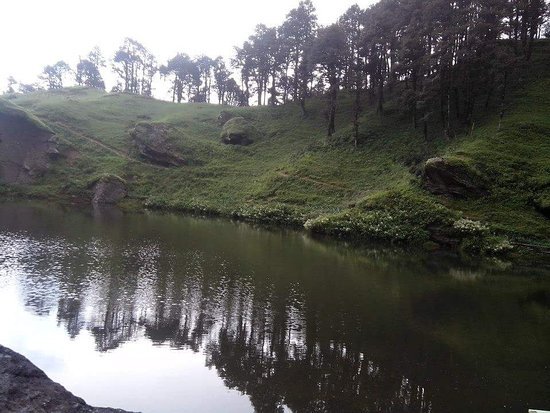
Best Time to Visit Kasol and the Parvati Valley
Kasol and the Parvati Valley are at their best from late spring to early autumn; choose season based on whether you want trekking, festivals, solitude or snow. This guide helps you pick the right time and plan a safe, memorable trip.
By TravMe Holidays travel team · · 6 min read
Kasol and the broader Parvati Valley in Himachal Pradesh offer a beguiling mix of pine-scented trails, riverside cafés, and high-altitude adventure. Deciding when to visit depends on what you want from the trip: lush green hikes and mild weather, festival energy and sunny days, or snowy landscapes and quiet reflection. This guide walks you through every season, practical travel tips, suggested itineraries and safety advice so you can pick the perfect time to experience Kasol and the Parvati Valley.
Seasons at a glance
Kasol's climate is shaped by altitude (around 1,580 metres for the village) and the narrow Parvati River valley. Each season has distinct advantages and considerations.
Spring (March to May)
Spring is a gentle awakening. Temperatures rise, snow at lower elevations melts, and wildflowers begin to paint the slopes. Days are pleasant for trekking and exploration, while nights may still be cool.
- Why go: Ideal weather for hikes like Kheerganga and Malana Base; fewer tourists than summer peak.
- What to expect: Clear trails, flowing river, green meadows; some higher passes may still have snow.
- Who it's good for: Trekkers, nature lovers and travellers who prefer comfortable temperatures without monsoon risk.
Summer (June to mid-July)
Summer is peak tourist season. Days are warm and long, perfect for exploring villages such as Tosh, Pulga, and Chalal, and for higher-altitude treks that open up after snow melt.
- Why go: Best time for outdoor activities, photography and café-hopping; reliable road access from lower hills.
- What to expect: Busiest period, vibrant atmosphere, more accommodation and food options open.
- Who it's good for: First-time visitors, groups and festival-goers.
Monsoon (mid-July to September)
The monsoon brings dramatic skies and a lush valley, but also heavy rains that can trigger landslides and road disruptions. River levels rise significantly during this period.
- Why go: If you love misty landscapes, tropical greenery and lower tourist numbers.
- What to expect: Unpredictable weather, limited access to some trails, potential transport delays.
- Who it's good for: Travellers comfortable with flexible plans and local weather risks.
Autumn (October to November)
Autumn is a favourite for many visitors: clear skies, crisp air, and stable weather make it excellent for hiking and photography. The valley's colours shift towards golden-brown hues in late autumn.
- Why go: Pleasant temperatures, excellent visibility, and fewer heavy rains.
- What to expect: Comfortable days and cool nights; post-monsoon freshness with less crowding than peak summer.
- Who it's good for: Photographers, trekkers and those who prefer clearer skies and calmer trails.
Winter (December to February)
Winter turns Kasol and many higher trails into a snowy wonderland. Some roads and passes are closed or impassable; however, the village itself retains a special, quiet charm.
- Why go: Snow-clad landscapes, fewer tourists, and cosy cafés with wood fires.
- What to expect: Extremely cold nights, possible road closures and limited services; Kheerganga trek may be closed or require special caution and equipment.
- Who it's good for: Experienced travellers seeking solitude, snow experiences and winter photography.
Choosing the best time depending on your interests
Trekking and high-altitude hiking
The best window is late spring through early autumn (April–June and September–October). Trails like Kheerganga and Rasol open after the snow melt, offering safe conditions and clear skies. Avoid monsoon for exposed trails due to landslide and slippery path risks.
Relaxed village stay and café culture
Summer and autumn are ideal for a relaxed stay in Kasol village or nearby hamlets. Warm days let you linger by the Parvati River, sample Israeli and Himachali food, read in a café and meet fellow travellers.
Snow and winter solitude
If you want snow, plan for December–February but be prepared for limited mobility. Check local updates on road conditions and accommodation availability before you travel.
How to reach Kasol and travel logistics
Kasol is accessible by road via Bhuntar (the nearest airport and major road junction). Regular buses, private taxis and shared cabs connect Kasol with Bhuntar, Kullu and Manali.
- By air: Bhuntar (Kullu–Manali) airport is closest; from there a road journey of about an hour to Kasol.
- By road: Well-connected to Bhuntar and Manali; long-distance buses and private taxis run from cities like Delhi and Chandigarh. Expect scenic but winding mountainous roads.
- By rail: The nearest broad-gauge railway stations are at Chandigarh and Pathankot, followed by a road transfer.
Packing, permits and safety
Pack layers: days can be warm and nights chilly, especially outside summer. Sturdy walking shoes, a waterproof jacket, a warm fleece and sun protection are essential. For winter travel include thermal wear, insulated jackets and possibly traction devices for icy stretches.
- Health & altitude: Kasol sits at a moderate altitude; acclimatisation is usually easy, but higher treks require slower ascent. Stay hydrated, avoid alcohol on the first day and monitor for symptoms of altitude sickness when gaining height quickly.
- Permits: For most day hikes and village visits no special permits are needed. If you plan to explore restricted or high-altitude zones, check with local authorities or guides.
- Safety: Check weather and road reports during monsoon and winter. Use local, reputed guides for unfamiliar or technical treks. Keep emergency contacts and a basic first-aid kit handy.
Responsible travel in Parvati Valley
Parvati Valley is ecologically sensitive and culturally distinct. Respect local customs, avoid loud behaviour in villages and always carry back your waste. Use marked trails to prevent erosion and prefer locally run guesthouses, guides and eateries to support the community.
Leave only footprints: conserve water, avoid single-use plastics and be mindful of open fires in dry months.
Sample itineraries
3-day weekend (short and sweet)
- Day 1: Arrive Kasol, settle into a riverside guesthouse, explore Kasol market and cafés.
- Day 2: Day trek to Kheerganga or explore nearby hamlets like Chalal and Rasol.
- Day 3: Morning walk along the river, departure via Bhuntar.
5-day relaxed trip (trek + villages)
- Day 1: Travel to Kasol, acclimatise and café-hop.
- Day 2: Full-day Kheerganga trek with an overnight option at the hot spring (seasonal).
- Day 3: Return from trek, visit Tosh or Malana Village (observe local customs).
- Day 4: Light hike, photography and free time for shopping or rest.
- Day 5: Depart to Bhuntar/Manali.
Tips for different traveller types
- Solo travellers: Kasol is generally welcoming, but keep people informed about your route and accommodation. Join group treks for company on longer trails.
- Families: Stick to lower-altitude walks and avoid risky treks. Choose comfortable homestays and check medical facilities nearby.
- Adventure seekers: Plan treks in suitable seasons, hire certified guides for technical routes and be prepared for sudden weather changes.
Conclusion
Ultimately, the best time to visit Kasol and the Parvati Valley depends on your priorities. Visit in late spring to early summer for the safest and most accessible trekking conditions, choose autumn for clear skies and calm trails, and opt for winter if you want snow and solitude — being mindful of road and service limitations. With good planning, respect for the valley and flexible expectations, a trip to Kasol will reward you with some of the most memorable Himalayan experiences India has to offer.