All stories

Best Time to Visit Gujarat for Sightseeing, Pilgrimage and Wildlife

Discover the best time to visit Gujarat for sightseeing, pilgrimage, and wildlife experiences. Plan your trip around the ideal seasons to enjoy the state's vibrant culture, spiritual sites, and rich biodiversity.

By TravMe travel team · · 3 min read

Gujarat, a vibrant state in western India, offers a diverse range of experiences for travellers, from magnificent temples and colourful festivals to unique wildlife sanctuaries. Choosing the right time to visit can make all the difference in enjoying its rich cultural heritage, spiritual sites, and natural beauty. Whether you are a history buff, a pilgrim, or a wildlife enthusiast, understanding the best seasons to explore Gujarat will help you make the most of your journey.

Understanding Gujarat’s Climate

Gujarat has a semi-arid climate with distinct seasons that influence travel plans. The year can be broadly divided into three main periods:

  • Winter (October to February): Pleasant and cool, ideal for most outdoor activities.
  • Summer (March to June): Hot and dry, with temperatures often soaring above 40°C.
  • Monsoon (July to September): Moderate rainfall, rejuvenating the landscape but sometimes causing disruptions.

Best Time for Sightseeing in Gujarat

The winter months, from October to February, are the best for sightseeing in Gujarat. The weather during this period is comfortable with daytime temperatures ranging between 15°C and 30°C, making it ideal for exploring the state’s many historical and cultural attractions.

Key places to visit during this time include:

  • Ahmedabad: The city’s UNESCO World Heritage Site, old city markets, and Sabarmati Ashram are best explored in cooler weather.
  • Rann of Kutch: Famous for the White Desert, the Rann Utsav festival during winter showcases local culture, music, and crafts.
  • Gir National Park: While open year-round, the winter months offer pleasant safaris to spot the Asiatic lions.
  • Modhera Sun Temple and Patan: The intricately carved temples and stepwells are more enjoyable without the summer heat.

Best Time for Pilgrimage

Gujarat is a land of spiritual significance, with numerous temples and pilgrimage centres scattered across the state. The best time for pilgrimage generally coincides with the cooler, drier months from October to March.

Some notable pilgrimage destinations include:

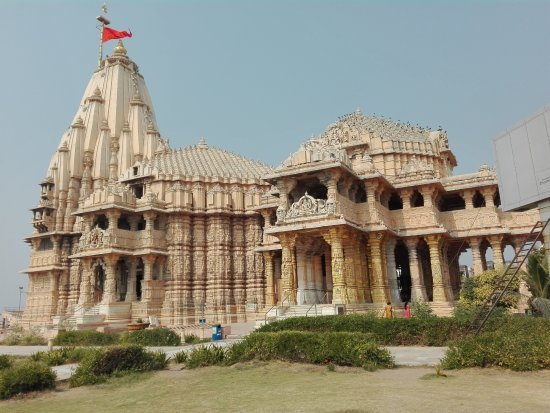
  • Somnath Temple: One of the twelve Jyotirlingas, attracting devotees year-round but best visited in winter.
  • Dwarka: Another major Jyotirlinga site and part of the Char Dham pilgrimage, best accessed during cooler months.
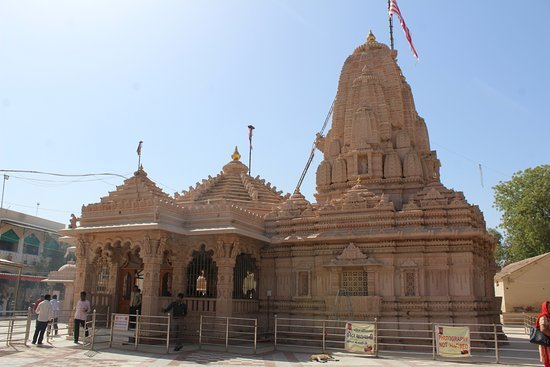
  • Palitana Temples: A revered Jain pilgrimage site with hundreds of temples on Shatrunjaya Hill, where the climb is more comfortable in winter.
  • Ambaji Temple: A significant Shakti Peetha, hosting large festivals in the winter season.

During festival times such as Navratri (September-October) and Diwali (October-November), pilgrimages become even more vibrant with local celebrations, but these periods can also be crowded.

Best Time for Wildlife Watching

Gujarat is renowned for its unique wildlife, especially the Asiatic lion and the migratory birds at the Little Rann of Kutch. The best season for wildlife enthusiasts is generally from November to February.

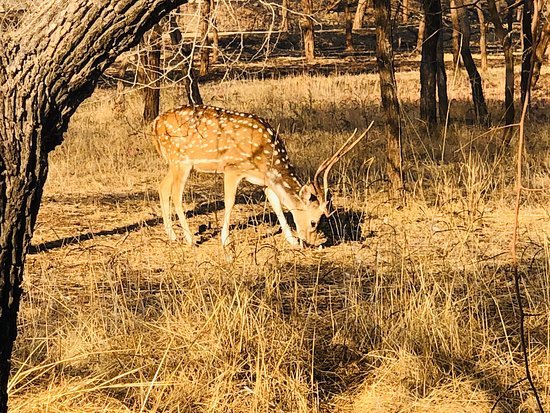
  • Gir National Park and Wildlife Sanctuary: Winter is ideal for spotting lions, leopards, antelopes, and various bird species. The weather is cooler, and animals are more active during early mornings and late afternoons.
  • Little Rann of Kutch: Best visited in the cooler months for spotting the Indian wild ass and flamingos. Dry conditions make wildlife sightings easier.
  • Blackbuck National Park and Marine National Park: Also best explored during the winter to avoid the extreme heat and rains.

Things to Keep in Mind

  • Summer Travel: While summer is not ideal for most outdoor activities due to the intense heat, if you plan to visit coastal areas like Diu or Saputara (a hill station), the temperatures may be more manageable.
  • Monsoon Season: The monsoon brings greenery and a refreshing change but can disrupt travel plans, especially in rural and wildlife areas.
  • Festivals and Events: Gujarat’s cultural calendar is rich with festivals like the Rann Utsav, Navratri, and the International Kite Festival in January, which can provide a unique travel experience but may also lead to accommodation shortages.

Conclusion

To fully enjoy Gujarat’s rich tapestry of sightseeing, pilgrimage, and wildlife, planning your visit during the cooler months from October to February is highly recommended. This period offers comfortable weather, lively festivals, and the best opportunities to explore the state’s diverse attractions. Whether you are drawn by spiritual journeys, cultural festivities, or encounters with majestic wildlife, Gujarat welcomes you with open arms throughout the year, with winter being the optimal season for an unforgettable experience.
Planning a trip?

Explore our handpicked packages and travel guides.

More stories from Gujarat

Travel Guide

Know Gujarat before you go

Read the full Gujarat guide

Gujarat: A Land of Heritage, Spirituality, and Coastal Charm =========================================================== Gujarat, located on the western coast of India, is a vibrant state that beautifully blends ancient history, spiritual significance, and natural beauty. Known for its rich cultural heritage, bustling festivals, and stunning coastline along the Arabian Sea, Gujarat offers travelers a unique experience that spans from the sacred shores of Dwarka and Somnath to the colorful traditions of its cities and villages. With a diverse landscape ranging from the Rann of Kutch salt flats to the Gir National Park, Gujarat is a destination that appeals to history buffs, spiritual seekers, and nature lovers alike. Why Visit Gujarat? ----------------- Gujarat is a treasure trove of Indian heritage and spirituality. The state is home to some of the most revered pilgrimage sites in Hinduism, including the ancient city of Dwarka, believed to be the kingdom of Lord Krishna, and Somnath, famous for its magnificent Somnath Temple, which has been rebuilt multiple times over centuries. Beyond spirituality, Gujarat offers fascinating experiences such as exploring the white salt desert of the Rann of Kutch, witnessing the traditional crafts and textiles, and enjoying vibrant festivals like Navratri, which showcases energetic Garba dances and music. The best time to visit Gujarat is between October and March when the weather is pleasantly cool, with temperatures ranging from 15°C to 30°C. Summers (April to June) can be quite hot, often exceeding 40°C, while the monsoon season (July to September) brings moderate rainfall, making travel less convenient. Spiritual and Historical Highlights: Dwarka and Somnath ------------------------------------------------------- Dwarka and Somnath are two of Gujarat’s most significant spiritual destinations, drawing pilgrims and tourists throughout the year. - Dwarka: Situated on the western tip of the Saurashtra peninsula, Dwarka is one of the Char Dham pilgrimage sites. The Dwarkadhish Temple, dedicated to Lord Krishna, is an architectural marvel with its intricate carvings and towering spires. Visitors can also explore nearby attractions like Bet Dwarka island, accessible by boat, which is believed to be the original kingdom of Krishna. - Somnath: Located along the Arabian Sea coast in the Gir Somnath district, the Somnath Temple is renowned for its stunning Chalukya-style architecture and its resilience, having been destroyed and rebuilt several times throughout history. The temple complex offers a serene atmosphere for worship and reflection, and the nearby Triveni Sangam, where three rivers meet the sea, is considered highly auspicious. Experiences and Culture ----------------------- Gujarat’s culture is vibrant and deeply rooted in its traditions. Apart from temple visits, travelers can immerse themselves in local life by exploring bustling markets filled with handicrafts such as Bandhani textiles, Patola silk, and intricate embroidery. The state is also famous for its folk music and dance forms, especially during the Navratri festival when Garba and Dandiya Raas performances light up the nights. Food lovers will enjoy Gujarat’s distinctive cuisine, which is predominantly vegetarian and characterized by a balance of sweet, salty, and spicy flavors. Popular dishes include dhokla, khandvi, undhiyu (a mixed vegetable dish), and the sweet shrikhand. Street food in cities like Ahmedabad and Rajkot offers an authentic taste of Gujarati flavors. Getting There and Around ------------------------ The nearest airports to Dwarka and Somnath are Jamnagar Airport (around 130 km from Dwarka) and Diu Airport (about 75 km from Somnath), with regular domestic flights connecting to major cities like Mumbai and Ahmedabad. Rail connectivity is also good, with direct trains from cities such as Mumbai, Ahmedabad, and Delhi to both Dwarka and Somnath. For exploring the region comfortably, private cabs are recommended, allowing flexible stops at various temples, markets, and coastal spots. The road network is well-developed, making travel between these spiritual hubs and other parts of Gujarat convenient. --- Gujarat’s blend of spirituality, history, and culture makes it a compelling destination for travelers seeking meaningful experiences. Whether you are on a pilgrimage, exploring ancient architecture, or simply soaking in the coastal beauty, Gujarat promises a journey filled with discovery and inspiration.

Ahmedabad

Ahmedabad

Founded in the 15th century, Ahmedabad is the largest city in the state of Gujrat. The city is a vibrant business district and rising centre of education, information technology and scientific industries. Divided in two - the old city and the new city; The city offers different moods right from the hustle-bustle of C.G. Road in the heart of Ahmedabad to the quite retreat of of the Sabarmati Ashram. Ahmedabad enjoys a thriving cultural tradition, being the centre of Gujarati cultural activities and diverse traditions of different ethnic and religious communities. Popular celebrations and observances include Uttarayan - an annual kite-flying day on 14 January and the nine nights of Navratri - celebrated with people performing Garba - the folk dance of Gujarat - at venues across the city.

View details
Bhuj

Bhuj

Discover Bhuj, the cultural heart of Gujarat. Explore vibrant bazaars, historic palaces, and stunning handicrafts. Nestled near the Rann of Kutch, Bhuj offers a unique blend of tradition, art, and natural beauty, perfect for every curious traveler.

View details
Dwarka

Dwarka

Discover Dwarka, Gujarat – a sacred city on India’s western coast. Home to the legendary Dwarkadhish Temple, it’s a spiritual haven with stunning sea views, vibrant culture, and ancient myths that captivate every traveler’s heart. A must-visit blend of devotion and beauty!

View details
Kutch

Kutch

Discover Kutch, Gujarat’s desert gem, where vibrant culture meets vast salt marshes. Explore colorful handicrafts, the Rann of Kutch’s white salt desert, and immerse in traditional festivals like Rann Utsav. A blend of nature, art, and heritage awaits!

View details
Sasan Gir

Sasan Gir

Discover Sasan Gir, Gujarat’s wild heart, home to the Asiatic lions. Wander through lush forests, spot diverse wildlife, and soak in nature’s raw beauty. A thrilling sanctuary for nature lovers and adventurers alike!

View details
Somnath

Somnath

Discover Somnath, Gujarat’s sacred coastal town, home to the magnificent Somnath Temple. This revered pilgrimage site offers stunning sea views, rich history, and vibrant cultural vibes. A perfect blend of spirituality and scenic beauty awaits every traveler here.

View details
Trip Types

Gujarat packages by trip type