Best Time to Visit Bali: A Season-by-Season Guide
Discover the best time to visit Bali with our season-by-season guide, helping you plan your perfect trip to this tropical paradise all year round.
By TravMe travel team · · 3 min read
Bali, the Island of the Gods, is a dream destination for travellers seeking stunning beaches, vibrant culture, and lush landscapes. Choosing the right time to visit can enhance your experience, whether you prefer sunny days, cultural festivals, or quieter escapes. This season-by-season guide will help you understand Bali’s climate and activities throughout the year, ensuring your trip is perfectly timed.
Understanding Bali’s Climate
Bali has a tropical climate, characterised by two main seasons: the dry season and the wet season. The island remains warm all year, with temperatures typically ranging from 26°C to 32°C. However, rainfall and humidity vary significantly between seasons, affecting travel plans and outdoor activities.
Dry Season (April to September)
The dry season is widely considered the best time to visit Bali. It offers sunny days, lower humidity, and minimal rainfall, making it ideal for beach activities, sightseeing, and outdoor adventures.
Highlights of the Dry Season
- Beach Time: Pristine beaches like Seminyak, Nusa Dua, and Jimbaran are perfect for sunbathing, swimming, and water sports.
- Surfing: The dry season brings consistent waves, especially on the west coast of Bali, attracting surfers worldwide.
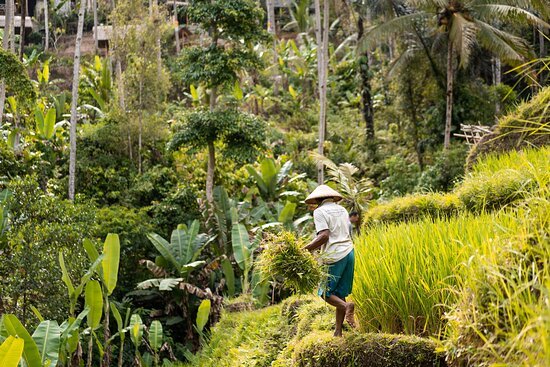
- Outdoor Activities: Hiking Mount Batur, exploring rice terraces in Ubud, and visiting temples are all more enjoyable without rain interruptions.
- Festivals: The Bali Arts Festival, held between June and July, showcases traditional dance, music, and crafts, offering a deep dive into Balinese culture.
Considerations
The dry season is peak tourist time, so popular spots can be crowded, and accommodation prices tend to be higher. Booking in advance is recommended to secure the best deals.
Wet Season (October to March)
The wet season brings tropical showers and higher humidity. However, Bali’s rains usually come in short, heavy bursts, often in the late afternoon or evening, leaving much of the day dry and warm.
Advantages of Visiting During the Wet Season
- Lush Scenery: The rains transform Bali’s landscapes into vivid green panoramas, ideal for photography and nature lovers.
- Fewer Crowds: Tourist numbers drop, providing a more peaceful and authentic experience, especially in cultural areas like Ubud.
- Better Prices: Accommodation and activities are often more affordable during this off-peak time.
- Surfing: The east coast sees its best waves in the wet season, attracting surfers seeking different breaks.
Things to Keep in Mind
Some outdoor activities might be disrupted by rain, and there can be occasional flooding in certain areas. However, with flexible planning, travellers can still enjoy Bali’s charm during this season.
Transition Months: March and October
March and October mark the transitional periods between wet and dry seasons. These months often feature a mix of weather conditions, with moderate rainfall and sunshine.
Why Consider Visiting in Transition Months?
- Balanced Weather: You may experience fewer crowds and still enjoy relatively good weather.
- Off-Peak Benefits: Lower prices and more availability for hotels and tours.
- Festival Opportunities: Some traditional ceremonies and events occur during these months, providing cultural insights.
Seasonal Highlights and Activities
Dry Season Must-Do Activities
- Snorkelling and diving in clear waters around Menjangan Island and the Gili Islands.
- Exploring temples like Tanah Lot and Uluwatu with unobstructed views.
- Attending open-air yoga sessions and wellness retreats.
Wet Season Experiences
- Witnessing the dramatic skies and rain-washed landscapes on scenic drives.
- Enjoying indoor cultural performances and art exhibitions.
- Sampling Bali’s rich culinary scene in cozy cafes and restaurants.
Conclusion
Bali welcomes travellers year-round with its warm hospitality and breathtaking beauty. Your ideal time to visit depends on your preferences for weather, activities, and budget. The dry season suits those seeking sun-soaked adventures and festivals, while the wet season offers tranquillity, lush landscapes, and better deals. By understanding Bali’s seasonal rhythms, you can plan a memorable trip tailored just for you.