Bali Weather by Month: What to Expect All Year Round
A practical month-by-month guide to Bali's tropical climate, explaining dry and wet seasons, regional microclimates, activity recommendations and travel tips to help you pick the best time to visit.
By TravMe travel team · · 6 min read
Bali’s weather is famously warm and tropical year‑round, but knowing the seasonal shifts and regional microclimates helps you plan the right activities for each month. This guide breaks down what to expect each month, highlights the best places to visit for specific conditions, and offers practical tips on packing and staying comfortable.
Overview: Bali’s climate at a glance
Bali experiences a tropical monsoon climate with two primary seasons: the dry season (roughly April to October) and the wet season (roughly November to March). Temperatures are generally stable — daytime highs typically range from the mid‑20s°C to low‑30s°C and nights are warm — but humidity, rainfall and sea conditions change through the year. Elevation and location matter: coastal areas like Kuta and Nusa Dua stay hotter and sunnier, while central highlands such as Ubud and Bedugul are cooler and can receive more rain even during the dry months.
How to read this month-by-month guide
Each month entry covers expected rainfall, temperature feel, sea conditions and recommended activities. Keep in mind that weather can vary year to year; the best approach is to use this as a planning tool rather than a strict forecast.
January
January is in the peak of the wet season. Expect frequent, sometimes heavy, tropical downpours often in the afternoon or evening, high humidity and occasional storms. Rivers and waterfalls are full and spectacular, but some inland roads can be slippery.
- Temperature: Warm and humid, daytime highs around 28–31°C.
- Sea: Warm water but reduced visibility for diving; currents can be stronger at times.
- Best for: Waterfall photography, spa retreats, quieter beaches, lower accommodation rates.
- Consider: Carry a light raincoat, expect afternoon showers, and allow extra travel time between islands or regions.
February
February remains wet. While prolonged heavy rains are possible, you can still enjoy sunny breaks. Coastal areas will have warm seas but diving visibility often remains limited.
- Highlights: Lush rice terraces, vibrant river flow for white‑water rafting in some areas.
- Activities: Spa and wellness stays, cultural visits in dry windows, indoor cooking classes.
March
March is transitional. Rainfall begins to lessen toward the end of the month and humidity slowly drops. It can be a good time to catch cultural events and prepare for the drier months ahead.
- Sea: Visibility improving; surfers find favourable swells on the west coast.
- Tip: Check festival calendars — some important Hindu celebrations fall around this period, affecting local traffic and opening hours.
April
April marks the start of the dry season. Expect more consistent sunshine, lower humidity and calmer seas. This month is popular with travellers who want good weather without the peak season crowds.
- Best for: Beach time, diving around Menjangan and Nusa Penida, exploring Ubud’s countryside.
- Packing: Lightweight clothing plus a light layer for cooler mountain mornings.
May
May is a favourite for many visitors: dry, sunny days and comfortable evenings. It’s ideal for outdoor adventure and water sports, yet it’s not as crowded as July–August.
- Activities: Surfing on west coast beaches, hiking Mount Batur early morning, snorkelling trips.
- Note: Higher elevations such as Bedugul may be significantly cooler in the early morning.
June
June continues the dry trend with warm, pleasant days and low rainfall. Sea conditions are generally calm and clear, which is excellent for diving and boat trips to the Nusa islands.
- Good for: Family beach holidays, island hopping, ceremonies and cultural experiences.
- Travel tip: Book popular activities in advance as visitor numbers rise going into July.
July
July is one of Bali’s busiest months — dry weather, sunny beaches and lots of events attract many travellers. Expect lively nightlife in Seminyak and Canggu and crowded surf breaks in popular spots.
- Practical: Expect higher prices and fuller roads; start early for day trips to avoid traffic.
- Where to go: For a quieter experience, consider northern or eastern coastlines like Amed or Candidasa.
August
August remains peak season with consistently dry weather. It’s a great month for outdoor festivals and beach activities but also the busiest for tourists from around the world.
- Sea sports: Ideal wind and waves for some surf spots; kitesurfing and sailing events may occur.
- Booking: Popular accommodations can sell out — reserve in advance.
September
September is a sweet spot: the tail end of the dry season with warm seas and thinning crowds. Weather remains excellent and sunsets are often spectacular.
- Best for: Diving (visibility at some sites improves), romantic getaways, photography.
- Tip: Late September can offer great value as high-season demand eases.
October
October is still largely dry, although occasional showers start to return later in the month. Days remain warm and comfortable, making it a pleasant shoulder‑season time to visit.
- Consider: Visiting cultural sites in the cooler mornings and late afternoons, leaving midday for beaches.
- Sea: Good for boat trips and snorkelling before the wet season stirs up water clarity.
November
November ushers in the wet season. Rain becomes more frequent, especially in the afternoons, and humidity rises. However, short dry spells still occur and tourist numbers drop.
- Benefits: Discounts on accommodation, lush landscapes and roaring waterfalls.
- Note: Some remote roads may be affected by heavy rain — plan flexible itineraries.
December
December is in the wet season and can be busy around the festive period. Expect warm seas, high humidity and occasional heavy downpours. If travelling over the holidays, book ahead and be prepared for peaks in traffic.
- Good for: Indoor cultural experiences, spa retreats, and witnessing ceremonial life when the weather permits.
- Advice: Keep wet‑weather gear handy and check travel schedules if you plan island hopping.
Regional microclimates: where to go when
Bali’s microclimates mean that one region can be very different from another on the same day.
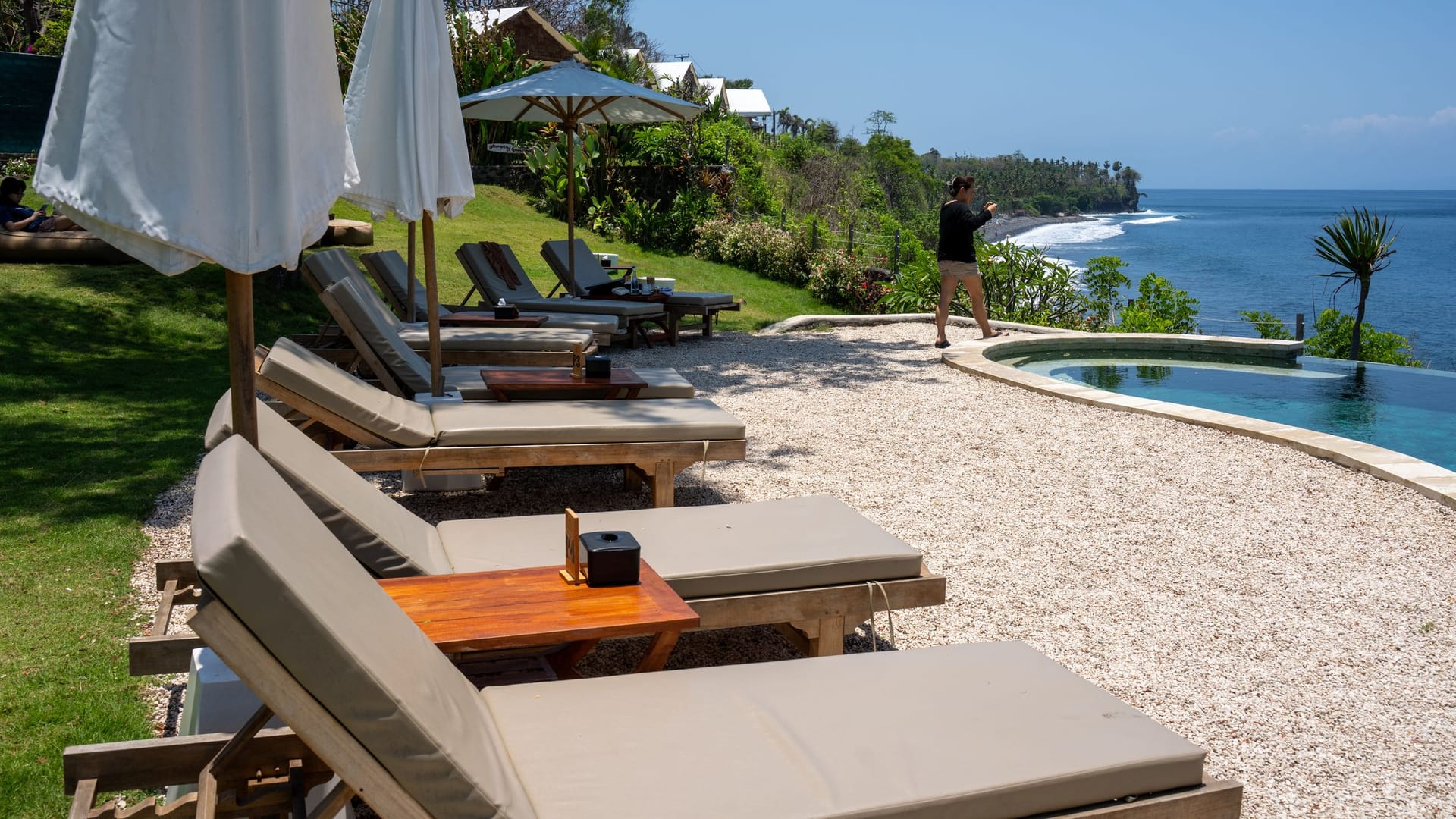
- Coast (Kuta, Seminyak, Nusa Dua): Hotter, sunnier, great for beaches and nightlife during dry months; still warm in wet months with heavy showers possible.
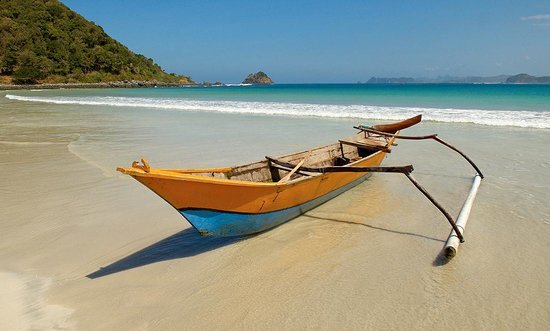
- West coast & Nusa Islands (Canggu, Uluwatu, Nusa Lembongan): Excellent surf in dry months, clearer seas for diving and snorkelling from April to October.
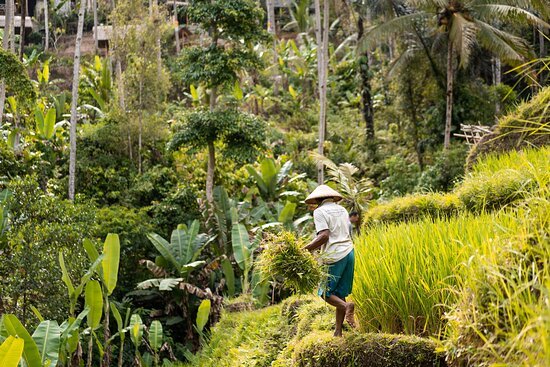
- Central highlands (Ubud, Bedugul): Cooler and more humid; expect mist and occasional rain even during the dry season — perfect for trekking and rice‑terrace walks.
- North coast (Lovina): Calmer seas in some months and a quieter pace year‑round, but rainfall patterns follow the islandwide monsoon.
Packing and practical tips
- Packing: Lightweight, breathable clothing year‑round; a light fleece for higher elevations; a compact rain jacket for wet season travel; reef‑safe sunscreen and insect repellent.
- Health: Stay hydrated, protect against sunburn, and beware of mosquito‑borne illnesses in wet months — use repellents and consider accommodation with screens or nets.
- Transport: Rain can slow road travel and cause localised flooding; plan extra time and avoid risky drives at night during heavy downpours.
- Sea safety: Check local advice for swimming and boat trips, especially during the wet season when currents and visibility change.
Tip: If you want the best weather balance with fewer crowds, aim for April–June or September–October for warm, dry days and generally calm seas.
Conclusion
Bali’s climate is forgiving for travellers year‑round, but the experience varies widely by month and region. The dry season brings predictable sun and clear seas ideal for beaches and diving, while the wet season offers lush landscapes, fewer crowds and cultural depth. Use this month‑by‑month guide to match your interests — whether you’re chasing surf, diving visibility, tranquil rice terraces or vibrant ceremonies — and you’ll find the right time to fall in love with Bali.