8-Day Gujarat Heritage Itinerary: Stepwells, Forts and Palaces
Discover Gujarat’s best heritage in eight days—explore stepwells, Sun Temple, forts and palaces from Ahmedabad to the Rann of Kutch with practical tips, food picks and logistics.
By TravMe Holidays travel team · · Updated · 6 min read
Gujarat is a tapestry of sun-baked stepwells, ornate palaces, monumental forts and living craft traditions. This 8-day heritage itinerary is designed to introduce you to the state’s architectural gems and living culture, balancing must-see monuments with relaxed travel and local experiences.
How to use this itinerary
This route begins and ends in Ahmedabad and uses a mix of car travel and short rail links. Distances in Gujarat can be long, so the plan balances sightseeing with comfortable travel time and recommends where to spend nights. You can adapt the sequence depending on your arrival city or interests (for example, swapping Kutch with Sasan Gir for wildlife).
Day-by-day itinerary
Day 1: Arrive Ahmedabad — Old City and Sabarmati
Start in Ahmedabad, a UNESCO World Heritage City. Spend the morning exploring the pols (traditional neighbourhoods) around Manek Chowk and Teen Darwaza. Visit the Calico Museum of Textiles if you can pre-book — it offers deep context on Gujarat’s textile legacy.
In the afternoon stroll the Sabarmati Riverfront; in the evening try a Gujarati thali at a local staple. Overnight in Ahmedabad.
Day 2: Adalaj Stepwell, Akshardham and travel to Patan
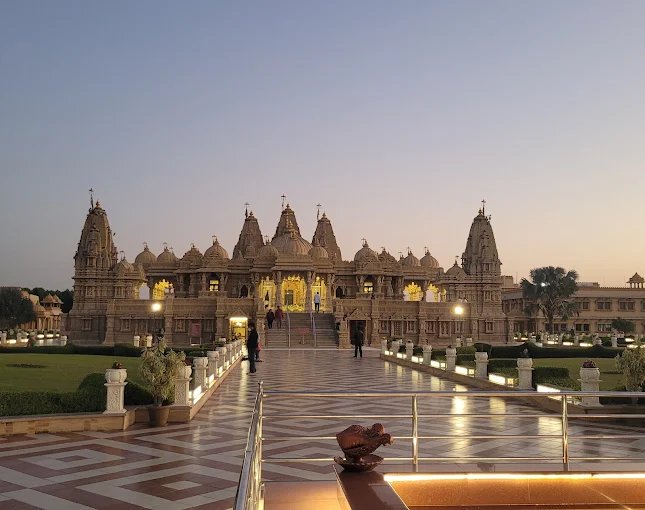
Drive to Adalaj Stepwell (near Ahmedabad) to see its finely carved niches and cooling architecture. Continue to Gandhinagar’s Akshardham complex if interested in recent temple architecture and cultural shows.
Head on to Patan and settle in. In the evening stroll around Patan’s quiet lanes and sample local snacks. Overnight in Patan.
Day 3: Rani ki Vav and Modhera Sun Temple; on to Vadodara
Morning at Rani ki Vav, Patan’s iconic stepwell and a UNESCO World Heritage site — arrive early for soft morning light and fewer crowds. The intricate sculptures and descending galleries reward slow exploration.
Next stop is Modhera Sun Temple, set in a serene, open landscape. The carved sabha-mandapa and the stepped tank make Modhera a photographer’s delight. Later drive to Vadodara (Baroda) for the night.
Day 4: Lakshmi Vilas Palace and Maharaja’s trail, then Champaner-Pavagadh
Explore Vadodara’s Lakshmi Vilas Palace and the nearby museums which showcase the Gaekwad dynasty’s opulence. After lunch, drive to Champaner-Pavagadh Archaeological Park (a UNESCO site). Spend the late afternoon exploring ruined mosques, fortifications and the hilltop Pavagadh fort. Overnight in Vadodara or Champaner area depending on your pace.
Day 5: Travel towards Kutch — Bhuj as base
Begin the longish drive northwest to Bhuj, the gateway to Kutch. The landscape changes to arid plains and scrub; you’ll notice a different vernacular architecture and craft aesthetic. In Bhuj, visit the Kutch Museum and Aina Mahal (Mirror Palace) to understand local history. Overnight in Bhuj — consider a heritage hotel or homestay for an immersive experience.
Day 6: Bhuj and nearby craft villages
Devote this day to Kutch’s living crafts. Visit nearby villages such as Ajrakhpur (block printing), Nirona ( Rogan art), and Bhujodi (weaving). Many artisans welcome visitors — confirm timings in advance. Return to Bhuj for the night.
Day 7: Great Rann of Kutch and Kalo Dungar
Head to the Great Rann of Kutch; early morning or late afternoon light is spectacular for the salt marsh panorama. Visit Kalo Dungar (Black Hill) for panoramic views and the story-rich Dattatreya temple. If your trip coincides with the Rann Utsav, you can stay in a desert camp to experience performance, crafts and local food. Overnight at a Rann camp or return to Bhuj.
Day 8: Return to Ahmedabad or onward travel
Drive back to Ahmedabad for your departure. If time allows, stop en route at small towns or craft clusters. Alternatively, fly out from Bhuj or Ahmedabad depending on your onward plans.
Must-see heritage highlights explained
- Rani ki Vav, Patan: A stepwell of exceptional sculptural richness and a masterclass in subterranean devotional architecture.
- Modhera Sun Temple: An 11th-century temple oriented to the sun with a fine stepped tank, sculpted panels and rhythmic geometry.
- Adalaj Stepwell: A blend of Indo-Islamic decorative motifs with functional cooling design.
- Lakshmi Vilas Palace, Vadodara: An Anglo-Indian palace complex with manicured grounds that reflects princely tastes and collections.
- Champaner-Pavagadh: A rare urban fabric with mosques, tombs and fortifications that display Sultanate era architecture set against a sacred hill.
- Bhuj and Kutch: Living heritage in textiles (bandhani, ajrakh, patola) and crafts (Rogan painting, embroidery) with a dramatic salt-flat landscape.
Food and culinary tips
Gujarat offers a vegetarian-rich cuisine beyond the familiar thali. Try local snacks like fafda, gathiya and khandvi, as well as regional breads and sweets. Kutch’s diet includes hearty seafood and dishes with millet and bajra in some communities. Eat at popular local places and ask hosts for homemade specialities — home-cooked meals often give the best insight into flavours.
Where to stay
- Ahmedabad: heritage hotels in the old city, boutique stays by the riverfront.
- Patan: small guesthouses or comfortable hotels near Rani ki Vav.
- Vadodara: city hotels close to the palace precincts.
- Bhuj and Kutch: heritage guesthouses, eco-resorts, or Rann camps (seasonal).
Transport and logistics
Hiring a private car with a driver gives maximum flexibility for this itinerary. Trains connect major towns (Ahmedabad, Vadodara, Bhuj) but local transfers and village visits are easier by road. If you plan to visit during winter festival season, book accommodations and any specialty experiences well in advance.
Best time to visit
October to March is ideal: cooler temperatures and festival season. The Rann of Kutch is best visited in winter when the salt flats are accessible and the cultural festival runs. Summers are hot and not suited for extensive outdoor sightseeing except early morning and late evening.
Practical tips and cultural etiquette
- Respect temple norms — dress modestly and remove footwear where required.
- In smaller craft villages, ask permission before photographing people or workshops.
- Bargaining is normal in markets; be polite and fair. Support artisans by buying directly from producers when possible.
- Carry water, sunscreen and a hat — much of the heritage architecture is best enjoyed outdoors.
Pro tip: Early mornings and late afternoons offer softer light for photography and a quieter experience at popular sites like Rani ki Vav and Modhera.
Packing checklist
- Lightweight, modest clothing for temple visits and hot days; a warm layer for winter nights in Kutch.
- Comfortable walking shoes for uneven steps and fort climbs.
- Sunscreen, sunglasses, wide-brim hat and refillable water bottle.
- Portable charger, camera, and basic first-aid items.
Optional detours and alternatives
If you have more time or different interests, consider these options:
- Junagadh and Gir: Combine heritage with wildlife by including Uparkot Fort and Gir National Park for Asiatic lion safaris.
- Diu: A coastal fort and Portuguese heritage if you want a seaside pause after historical touring.
- Sasan Gir instead of Kutch for wildlife-focused travellers.
Responsible travel in Gujarat
Support local economies by choosing family-run guesthouses, buying crafts directly from artisans and following eco-friendly practices. Respect water usage in arid regions and be mindful of litter, particularly around fragile sites like stepwells and the salt desert.
Gujarat’s heritage is both monumental and intimate — from carved stone galleries to living artisan studios. This eight-day plan gives you a layered experience of architecture, craft and landscape. Travel at a gentle pace, savour the local flavours and let the rhythms of the state unfold between stepwells and salt flats.
Safe travels and happy exploring!