7-Day Sikkim Itinerary Covering Gangtok, North Sikkim and Pelling
A practical, day-by-day 7-day Sikkim itinerary that blends Gangtok's culture, the high-altitude wonders of North Sikkim (Lachung & Gurudongmar) and the scenic charm of Pelling, with travel tips, permits and packing advice.
By TravMe Holidays travel team · · Updated · 7 min read
This 7-day Sikkim itinerary is crafted to give you the best of the state — spiritual Gangtok, the dramatic high mountains and valleys of North Sikkim, and the tranquil monasteries and waterfalls around Pelling. It balances acclimatisation, sightseeing and relaxed travel so you return refreshed and full of memories.
Overview: How this trip flows
Start in Gangtok, the state capital, to soak in Sikkimese culture and do brief acclimatisation. Head north to Lachung and Yumthang for alpine meadows, hot springs and the chance to visit Gurudongmar Lake — a spectacular high-altitude reservoir. Then travel southwest to Pelling for mountain views, waterfalls and old monasteries before returning to Gangtok or continuing onwards.
Before you go: permits, health and practicalities
Permits
Indian nationals need an Inner Line Permit (ILP) to enter many parts of Sikkim; this can often be obtained online or through hotels/agents. For North Sikkim (Lachung, Lachen, Gurudongmar), additional protected area permits are required and typically handled by tour operators or hotels. Foreign nationals must carry their passport and obtain Restricted Area Permits (RAP) for most parts — check current rules and arrange permits well in advance.
Health and acclimatisation
North Sikkim reaches high altitudes (Gurudongmar is above 17,000 ft). Allow time to acclimatise: spend at least a day or two at lower elevations (Gangtok ~5,400 ft) before heading higher. Stay hydrated, avoid alcohol before high-altitude excursions, and watch for symptoms of Acute Mountain Sickness (headache, nausea, dizziness). Carry basic medicines and consult your doctor if you have heart or respiratory conditions.
Best time to visit
Late March to June and September to November are ideal. Spring brings rhododendrons and clear views; autumn has stable weather and excellent visibility. Winter is harsh and many high passes are closed due to snow; heavy monsoon rains can affect mountain roads.
Day-by-day 7-day itinerary
Day 1: Arrive Gangtok — easy exploration and acclimatisation
Arrive at Bagdogra/IX-Bagdogra airport or New Jalpaiguri (NJP) railway station and transfer to Gangtok. The drive from Siliguri is scenic and takes a few hours. Use this day to relax, stroll MG Marg for shopping and cafes, and visit the nearby Enchey Monastery or Do Drul Chorten stupa if time allows. Early nights help with acclimatisation.
Day 2: Gangtok city sights
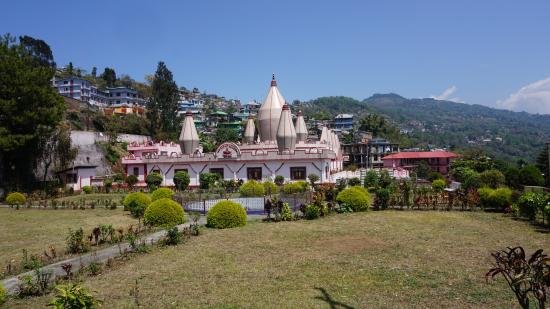
- Visit Rumtek Monastery (the largest in Sikkim for Tibetan Buddhism) and the Namgyal Institute of Tibetology for culture and artefacts.
- Explore the Flower Exhibition Centre and the vibrant Lal Bazaar for local crafts and woollens.
- Drive up to Ganesh Tok or Tashi Viewpoint at sunrise for panoramic mountain views on clear days.
This day is a comfortable mix of culture and light sightseeing, helping you adjust further before the northern high-altitude leg.
Day 3: Gangtok to Lachung — the journey north
Begin early for the drive to Lachung (approx. 6–7 hours depending on road conditions). The road climbs through lush forests, the Teesta River valley and tiny mountain hamlets. En route you may stop at Chungthang, a junction town, and scenic viewpoints. Arrive in Lachung, relax and prepare for the next day's excursions. Meals are usually included in your lodge; keep warm as nights are cold.
Day 4: Yumthang Valley & Zero Point (seasonal)
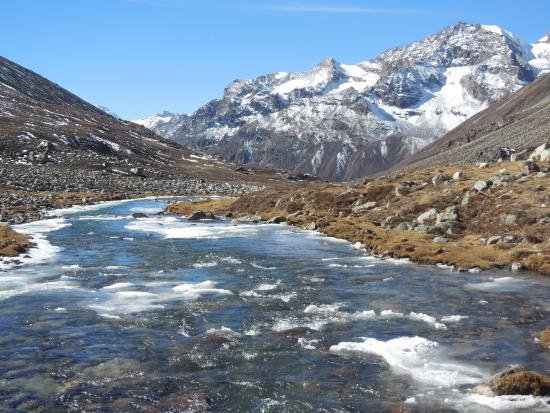
Spend the morning at Yumthang Valley, the famed ‘Valley of Flowers’. In spring it’s lush with blooms; year-round it’s spectacular for landscapes. Nearby hot springs at Yumthang are great for a warm soak. If roads and permits permit, head further to Zero Point for snowfields and higher alpine scenery. Return to Lachung for the night.
Day 5: Lachung to Lachen — Gurudongmar Lake early morning
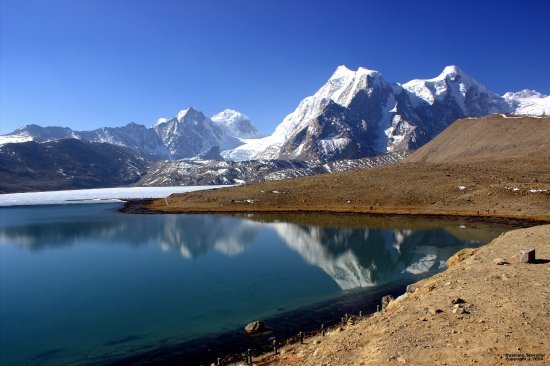
Depart very early for Lachen (or set out from Lachung if in Lachen) and proceed to Gurudongmar Lake. This is a long, high-altitude day and requires permits and good weather. The lake’s turquoise waters set against rugged peaks are unforgettable. Carry layers, sunglasses and sun protection. After visiting the lake, return to Lachen or Chungthang and then head back toward Gangtok or Pelling depending on your plan.
Alternative: If permits/road conditions prevent Gurudongmar
If Gurudongmar isn’t accessible, spend another day exploring Lachung’s surroundings, local villages and monasteries, or enjoy a relaxed morning at Yumthang. Always check with local authorities and your hotel for alternatives.
Day 6: Travel to Pelling — waterfalls, monasteries and views
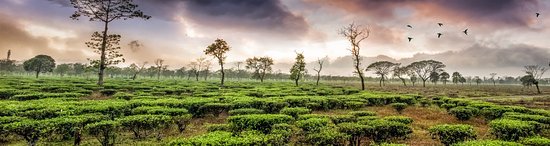
Drive southwest toward Pelling, a journey that can take several hours and passes through scenic tea gardens and mountain roads. Once in Pelling, visit the Pemayangtse Monastery and Rabdentse Ruins for history. Time your visit to visit the Kanchenjunga viewpoint (weather permitting) at dawn or dusk when the light is dramatic. Pelling is quieter than Gangtok and offers excellent viewpoints for sunrise over the eastern Himalaya.
Day 7: Pelling sightseeing and onward departure
- Visit the Khecheopalri Lake — a sacred lake surrounded by forest, known for its calm atmosphere.
- Explore local sights such as the Rimbi Waterfall and Singshore Bridge, one of the highest suspension bridges in Sikkim.
- If your schedule permits, return to Gangtok or proceed to New Jalpaiguri for onward travel; otherwise enjoy a relaxed morning in Pelling and an evening tea at a viewpoint.
Where to stay
Sikkim has options to suit many budgets — from boutique heritage hotels and homestays to comfortable mountain lodges. In Gangtok, choose central properties near MG Marg for convenience. In Lachung and Lachen, the lodges are simpler and cosy — book through a reputable operator to ensure permits and transfers. In Pelling, opt for a hotel with a mountain-facing room for the best views.
Food and local experiences
Sikkimese cuisine blends Nepali, Tibetan and Bhutanese influences. Try momos, thukpa, gundruk (fermented leafy greens) and local omelettes. Tea gardens south of Pelling and the small bakeries in Gangtok are worth sampling. Respect local customs at monasteries — dress modestly and seek permission before photography where signs request it.
Packing list and practical tips
- Layered clothing: mornings and nights are cold; days can be warm at lower altitudes.
- Warm jacket, woollens, gloves and a hat for high-altitude days.
- Good walking shoes with grip for uneven terrain and short hikes.
- Sunglasses, sunscreen and lip balm — UV is strong at altitude.
- Basic first-aid kit, altitude sickness medication if advised by your doctor, and any personal prescriptions.
- Chargers and power bank — electricity can be intermittent in remote areas.
- Photocopies of permits, ID and passport (for foreign nationals).
Transport and road conditions
Roads in Sikkim are mountainous and can be narrow with hairpin bends. Hiring a reliable local driver or booking a tour package is the safest option, especially for North Sikkim. Allow buffer time between destinations as landslides, weather and traffic can cause delays. Domestic flights to Bagdogra and trains to NJP connect you to Sikkim; the road transfer to Gangtok takes a few hours.
Responsible travel tips
- Respect local culture and monastic rules. Ask before taking photographs inside monasteries.
- Keep Sikkim clean — carry your litter back when facilities are limited; avoid single-use plastics where possible.
- Support local businesses: buy crafts from local artisans and eat at family-run eateries.
- Stay on marked trails during treks and do not disturb wildlife or fragile alpine flora.
Tip: Flexibility is key in mountain travel. Weather, permits and road conditions can change plans — build in a spare day if you can, and book permit-sensitive services through trusted local operators.
Sample packing timeline
Pack lighter for easier transfers but carry essentials for cold and sun. Keep a daypack with water, snacks, warm layers, sunglasses and permits/ID when you leave the hotel each day. For North Sikkim days, prepare for long drives: comfortable clothes, motion-sickness remedies and a camera with spare batteries are useful.
Final tips on photography and connectivity
Cellular connectivity varies; BSNL and some private networks work in many parts but expect blackouts in remote valleys. Carry a power bank and download maps for offline use. For photography, wide-angle lenses are great for landscapes; a telephoto helps for distant peaks. Respect monastery signage regarding photography.
With smart planning and respect for local rules, this 7-day loop — Gangtok, North Sikkim and Pelling — is a compact but rich Sikkim experience: spiritual culture, high Himalayan vistas and peaceful mountain life. Embrace the journey, leave room for spontaneous discovery, and you will come away with unforgettable memories.
Safe travels and happy exploring!