7-Day Gujarat Itinerary Covering Ahmedabad, Dwarka and Somnath
A practical, day-by-day 7-day Gujarat itinerary that links Ahmedabad with the sacred coastal cities of Dwarka and Somnath, mixing heritage, culture, temples and beaches for a smooth, immersive week-long trip.
By TravMe Holidays travel team · · Updated · 6 min read
Gujarat offers a splendid blend of urban heritage, coastal pilgrimage and vibrant cultural experiences. This 7-day itinerary takes you from Ahmedabad's historic lanes to the spiritual shores of Dwarka and Somnath, with comfortable travel pacing and suggestions to make the most of each stop.
Overview: What to expect
This itinerary balances sightseeing with relaxed travel days. You'll experience Ahmedabad's UNESCO-listed architecture, Rann of Kutch-style culture without the long winter detour, and two of India’s most important pilgrimage towns on the Saurashtra coast. Travel is mostly by car or train between cities; domestic flights are available to Ahmedabad.
Day-by-day itinerary
Day 1 — Arrive in Ahmedabad: Heritage and food
Arrive in Ahmedabad and settle into your hotel. Spend the afternoon exploring the old walled city: the intricately carved pols, Jama Masjid and the serene Manek Chowk. In the evening, stroll along the Sabarmati Riverfront and, if time permits, visit the historic Sidi Saiyyed Mosque to see its famous stone latticework.
Evening food options are excellent — try local Gujarati thali at a reputed restaurant or sample street food such as khaman dhokla, fafda-jalebi and handvo. If you’re interested in modern art and Gandhi’s life, plan a visit to the Sabarmati Ashram either on day 1 or the morning of day 2.
Day 2 — More of Ahmedabad: Museums and modern landmarks
Start with the Sabarmati Ashram to appreciate Gandhi’s legacy. Next, visit the Calico Museum of Textiles (pre-booking is required) to see an outstanding collection of Indian textiles and traditional crafts. Reserve the afternoon for the Adalaj Stepwell — a spectacular medieval water-harvesting structure located a short drive away.
If modern architecture interests you, stop by the newly developed areas like SG Highway or explore local galleries and cafés. At night, consider a cultural performance if there’s one scheduled at the Natarani Centre or a local theatre.
Day 3 — Ahmedabad to Dwarka (Start of the coastal route)
Begin early for the long but scenic drive to Dwarka in Saurashtra. The route showcases Gujarat’s rural landscape and coastal plains. Arrive in Dwarka by early evening and check in. Rest and prepare for temple darshan the next morning.
Day 4 — Dwarka: The Blue City and Krishna’s legacy
Spend this day immersed in Dwarka’s religious and maritime heritage. Visit Dwarkadhish Temple for darshan; plan your visit around the temple timings to avoid peak crowds. Also explore Bet Dwarka, an island associated with Lord Krishna — boat services run regularly from Dwarka and make for a peaceful half-day excursion.
Other points of interest include the Gomti Ghat, Rukmini Temple and the Dwarka Lighthouse. In the evening, watch the sunset by the sea; the coastal breeze and spiritual atmosphere make for a memorable experience.
Day 5 — Dwarka to Somnath via Junagadh (optional stop)
On the way to Somnath, include a stop at Junagadh if time allows. Junagadh offers the historic Uparkot Fort, the Buddhist caves at Rani-ki-Vav (not to be confused with Patan's stepwell but historically interesting), and picturesque views of the Girnar hills. After a cultural pause in Junagadh, continue to Somnath and check in to your hotel.
Day 6 — Somnath: Temple town and the Arabian Sea
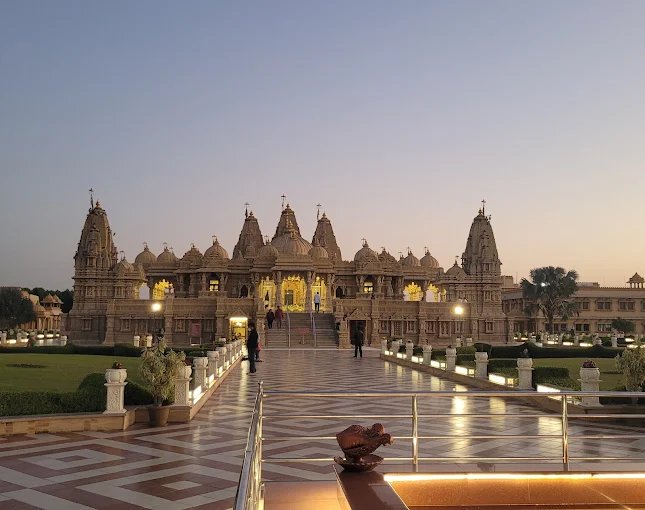
Somnath is one of the twelve Jyotirlinga shrines and a major pilgrimage destination. Begin early at the Somnath Temple complex to experience morning aarti and avoid crowds. After darshan, explore the Somnath Beach and the nearby Triveni Sangam — the confluence point of three rivers where ritual baths are customary for pilgrims.
In the afternoon consider a guided walk along the temple circuit and visit the local museum to learn about the temple’s history and reconstructions over centuries. End the day with the evening aarti at Somnath, a moving spectacle of devotion and music by the sea.
Day 7 — Return to Ahmedabad or onward travel
Make your return trip to Ahmedabad. Depending on your schedule, you can travel by road or train. If time allows, stop en route at charming coastal towns or the Diu region (a slight detour) for a relaxed break. Arrive in Ahmedabad with time to shop for handicrafts, bandhani textiles or traditional snacks before your onward journey.
Getting around: Transport tips
- By road: Hiring a private car with a driver is the most flexible way to follow this itinerary, especially for coastal stretches and Junagadh stops.
- By train: All three cities are well-connected by rail. Overnight trains can be a time-efficient option for longer segments.
- By air: Ahmedabad is the major aviation hub. Domestic flights connect from most Indian metros.
- Local travel: Auto-rickshaws and app taxis are reliable in cities; pre-arranged transfers work best for early morning temple visits.
Where to stay: suggestions by experience
- Ahmedabad: Choose heritage hotels or boutique stays within or near the old city for easy access to landmarks.
- Dwarka: Stay close to the temple complex for early darshan. Sea-facing properties enhance the coastal experience.
- Somnath: Select hotels near the temple for convenience; many cater to pilgrims with simple, comfortable amenities.
Food and dining
Gujarat is predominantly vegetarian with a sweet undertone in many dishes. Must-tries include the Gujarati thali, dhokla, theplas and fafda. Coastal areas offer seafood at many coastal restaurants if you prefer non-vegetarian options. Also sample local sweets like mohanthal and chorafali, and sip masala chai at roadside stalls.
Best time to travel
The ideal months are October to March when temperatures are pleasant and outdoor sightseeing is comfortable. Summers (April–June) can be hot, especially inland, so plan early morning starts and keep hydrated. Monsoon brings lush countryside but may affect travel on coastal stretches.
Packing and health tips
- Carry light, breathable clothing with a modest layer for temple visits (shoulders and knees covered).
- Comfortable walking shoes for exploring city lanes, stepwells and fort areas.
- Sun protection: hat, sunglasses and sunscreen for open coastal and roadside stretches.
- Basic first-aid, any prescription medicines, and a refillable water bottle (drink bottled or treated water).
- Portable power bank and copies of ID proofs for temple entry or hotel check-ins.
Temple etiquette and practical advice
- Follow local norms: remove footwear before entering temple complexes and dress modestly.
- Photography rules vary — ask before taking photos inside sanctums.
- Respect timings for aarti and rituals; queue patiently for darshan during peak hours and festival days.
- Carry small offerings if you wish, but many temples provide a simple process for prasad and donations.
Optional extensions and alternatives
- Include a visit to the Rann of Kutch if you have extra days — it’s best in winter for the White Desert festival and cool weather.
- Add Diu for a seaside detour with Portuguese heritage and relaxed beaches.
- For wildlife enthusiasts, a short safari in Gir National Park (home of the Asiatic lion) can be combined with Junagadh or Somnath stops.
Budgeting and bookings
Book trains and popular hotels in advance during peak season and festivals. If travelling by car, compare quotes from reliable operators. Temple trusts often have lodging options for pilgrims, which can be economical and convenient.
Conclusion
This 7-day Gujarat route gives you a compact but fulfilling taste of the state — from Ahmedabad’s heritage tapestry to the spiritual rhythms of Dwarka and Somnath. With modest travel distances between these highlights, the schedule leaves room for relaxed temple visits, seaside sunsets and discoveries of local cuisine and crafts. Plan conservatively, respect local customs, and you’ll come away with meaningful memories of Gujarat’s history, devotion and warmth.