7-Day Bhutan Itinerary for First-Time Visitors
A practical, day-by-day 7-day Bhutan itinerary for first-time visitors covering Paro, Thimphu, Punakha and Phobjikha with transport tips, cultural norms, packing advice and altitude guidance.
By TravMe travel team · · Updated · 6 min read
Bhutan's compact size makes it ideal for a short but deeply rewarding trip. This 7-day itinerary is tailored for first-time visitors who want to experience Bhutan's iconic monasteries, valleys, festivals, culture and gentle Himalayan trekking while travelling at a relaxed pace.
Before you go: permits, best time and travel essentials
All visitors to Bhutan (except nationals from India, Bangladesh and the Maldives under special arrangements) require a tourist visa and must book through a licensed Bhutanese tour operator or their international partner. Visas are processed after a confirmed itinerary and full payment of the Sustainable Development Fee (or the standard daily tariff for independent travellers). Flights arrive into Paro from a few regional hubs; overland entry is possible from India at certain border points. Choose your season based on interests: spring (March–May) for rhododendrons and festivals, autumn (September–November) for clear skies and trekking, winter for lower crowds and birding in places like Phobjikha.
How to use this itinerary
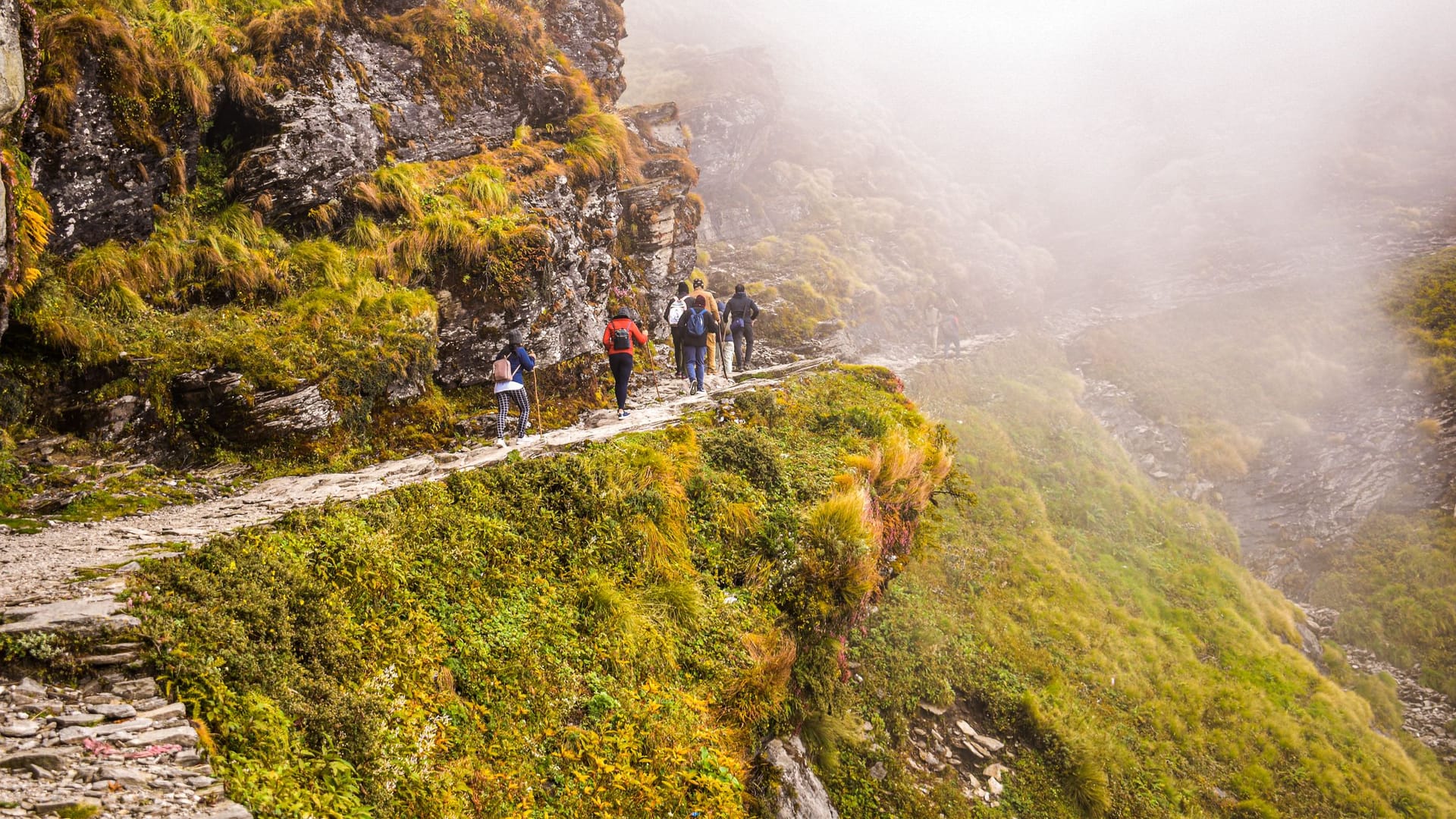
This plan assumes arrival and departure via Paro airport. Distances in Bhutan can look short on a map but roads are mountain routes; journeys are scenic and often take longer than expected. The suggested pace balances sightseeing with acclimatisation and includes one shorter walk and one moderate hike (to Tiger’s Nest) which can be adjusted or replaced with easier options.
Day 1: Arrive Paro – Settle in and gentle exploration
- Morning: Land at Paro, transfer to your hotel, rest and hydrate. Take time to acclimatise; the airport is about 2,200–2,500 metres above sea level depending on the valley.
- Afternoon: Visit Paro Rinpung Dzong and the National Museum (Ta Dzong) to get an overview of Bhutanese history and art.
- Evening: Walk around Paro town, try local dishes such as ema datshi (chilies and cheese) and seek out a café with valley views.
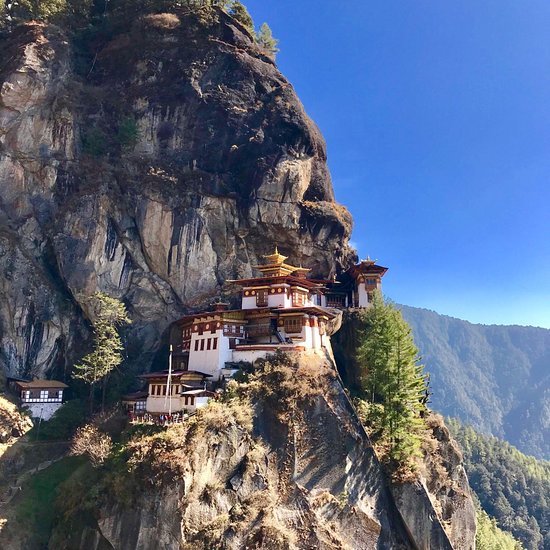
Day 2: Hike to Taktsang (Tiger’s Nest) and afternoon rest
The Tiger’s Nest is Bhutan’s most iconic pilgrimage site. The hike is steep but well-marked and usually takes about 4–5 hours round trip from the base car park depending on fitness and stops.
- Start early to avoid crowds and to have clearer views. Bring water, snacks, a light jacket and comfortable walking shoes.
- There are resting points and a cafeteria midway; horses are available for part of the ascent for those who prefer not to walk, though many stretch their legs for the full experience.
- In the afternoon, return to Paro for a relaxing evening or a short drive to a viewpoint for sunset photos.
Day 3: Paro to Thimphu – Capital sights and cultural orientation
The drive to Thimphu takes a few hours along valleys and rivers with scenic stops en route.
- Visit Memorial Chorten, the giant Buddha Dordenma statue and the Folk Heritage Museum to understand modern Bhutan and its traditions.
- Explore Thimphu’s handicraft market and the weekend market if your schedule allows—this is a great place to buy textiles, hand-carved items and Bhutanese sweets.
- In the evening, stroll through the compact town centre; Thimphu's nightlife is modest but friendly cafés and hotel lounges are pleasant.
Day 4: Thimphu to Punakha via Dochu La Pass
This is a scenic driving day with one of Bhutan’s most photogenic mountain passes.
- Stop at Dochu La (3,100+ metres) to view the panoramic Himalayan range on clear days and to see the 108 chortens.
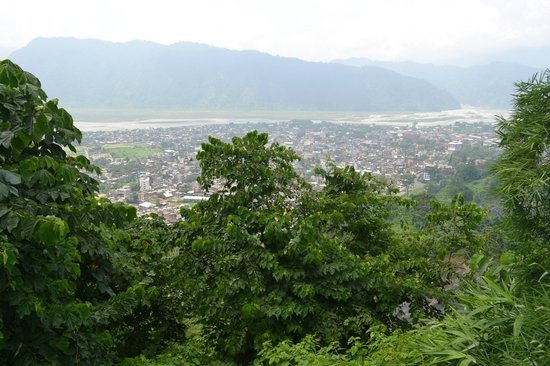
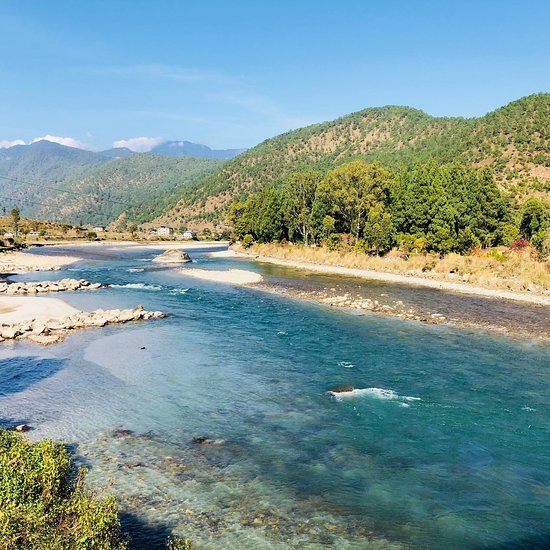
- Continue to Punakha and visit Punakha Dzong, one of the most beautiful dzongs, situated at the confluence of two rivers.
- If time permits, take a short walk to the suspension bridge and the riverside rice paddies.
Day 5: Punakha – Local walks and optional rafting
Punakha's temperate climate and fertile plains make it a contrast to the higher valleys.
- Hike to Khamsum Yulley Namgyal Chorten for superb valley views; it is a moderate uphill walk through villages and farmland.
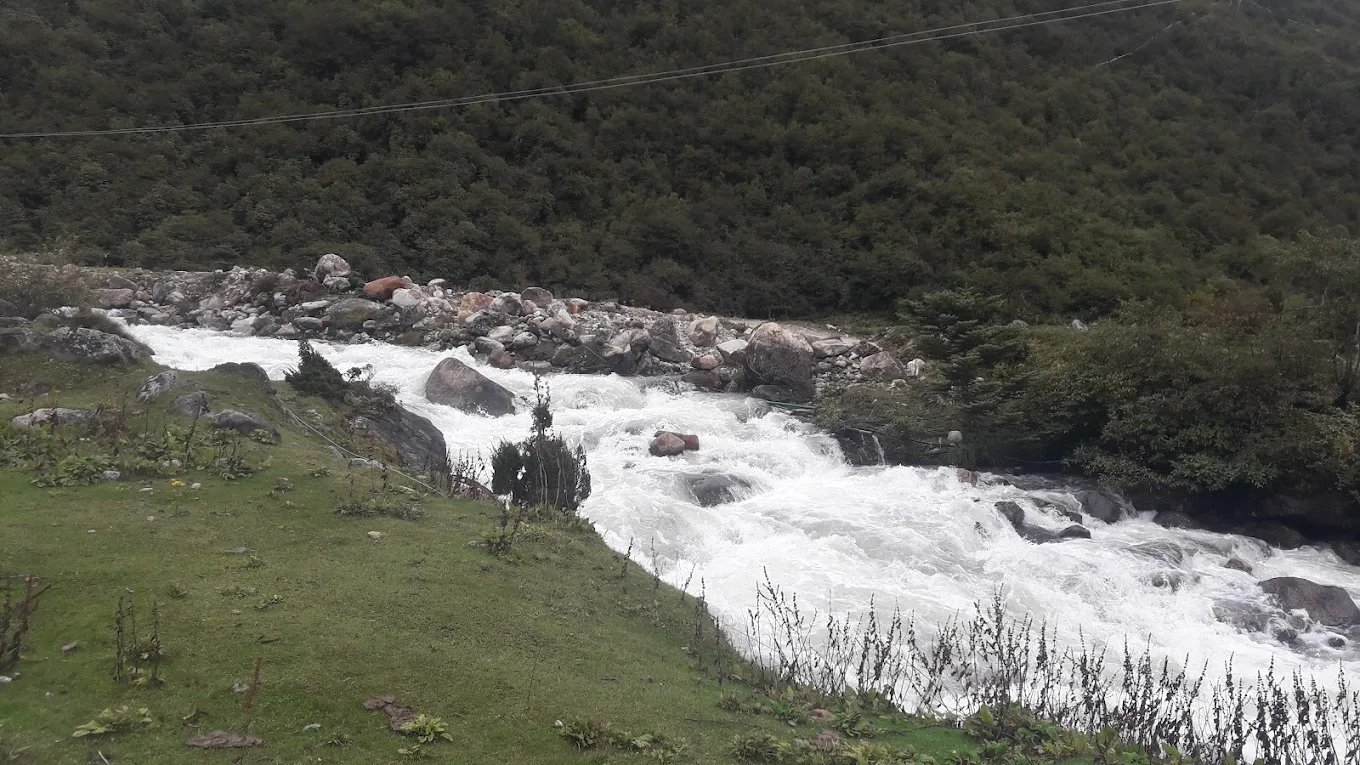
- Alternatively, arrange gentle white-water rafting on the Mo Chhu (for those who enjoy outdoor adventure; availability depends on season and river conditions).
- Learn about local agriculture and traditional irrigation systems used in the paddy fields.
Day 6: Punakha to Phobjikha Valley (Gangtey) – Wildlife and tranquillity
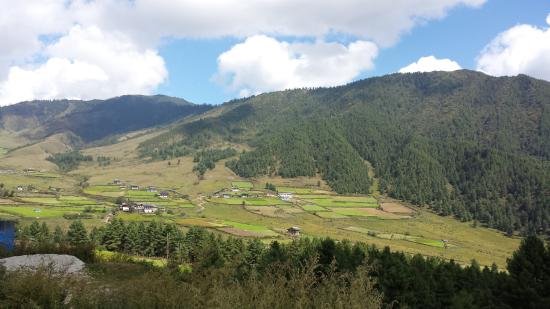
Drive north to the Phobjikha Valley, also called Gangtey, a glacial valley known for its wintering endangered black-necked cranes and wide, open landscapes.
- Visit Gangtey Monastery, a serene place of worship and learning.
- Take a gentle valley walk or bike ride along the glacial valley floor to absorb the calm and observe birdlife.
- Even if you miss the crane season, the valley is a peaceful counterpoint to more crowded attractions.
Day 7: Return to Paro for departure
Begin your return journey to Paro allowing ample time for travel and any last-minute sightseeing or shopping.
- On arrival in Paro, revisit a favourite spot, buy souvenirs, or simply relax before your flight the next day.
- If your flight is late, you may be able to fit in a short walk or a visit to a local farmhouse for tea.
Practical tips and cultural etiquette
- Altitude: Drink plenty of water, avoid heavy exertion on the first day and inform your guide if you feel unwell. Take it easy until you acclimatise.
- Dress code: Modest clothing is appreciated at temples and dzongs. Remove hats and sunglasses when entering religious sites and follow the guide’s instructions.
- Photography: Ask before photographing people, especially inside temples. Some dzong interiors prohibit photos.
- Local customs: Always walk around chortens and stupas clockwise and avoid pointing feet at sacred objects.
- Connectivity: Internet and mobile networks are reasonably available in towns but can be limited in remote valleys—enjoy the unplugged moments.
Packing checklist
- Layered clothing for variable mountain weather, including a warm jacket and a lightweight rainproof shell.
- Comfortable walking shoes, a daypack, reusable water bottle, sunscreen and sunglasses.
- Basic medication, altitude sickness remedies if advised by your doctor, and copies of important travel documents.
- Small gifts for homestays or children (pens, school materials) are appreciated but check with your guide about suitability.
Tip: Engage with a licensed Bhutanese guide—beyond logistics, guides enrich your journey with local stories, spiritual context and safe navigation of mountain roads.
Customising the itinerary
This 7-day plan is a balanced introduction, but Bhutan rewards slow travel. If you prefer more trekking, consider swapping Punakha or Phobjikha for a trek in the Haa Valley or longer routes in central Bhutan. Festival travellers should plan around specific tsechus (religious festivals) in Paro, Thimphu or Punakha—these offer unforgettable cultural immersion but require advance booking and may affect hotel availability.
Final advice
Bhutan is about mindful travel: a mix of spirituality, nature and living traditions. Keep expectations flexible—mountain weather, road conditions and seasonal events can shape your days. With respectful curiosity and a pace that allows you to soak in the landscapes and rituals, your first visit will be memorable and deeply rewarding.
Safe travels and enjoy the gentle splendour of the Last Shangri‑La.