10-Day Bhutan Itinerary with Bumthang and Central Bhutan
A practical, day-by-day 10-day Bhutan itinerary focusing on central Bhutan and Bumthang, blending cultural sights, scenic drives, hikes and local experiences for first-time visitors.
By TravMe travel team · · Updated · 7 min read
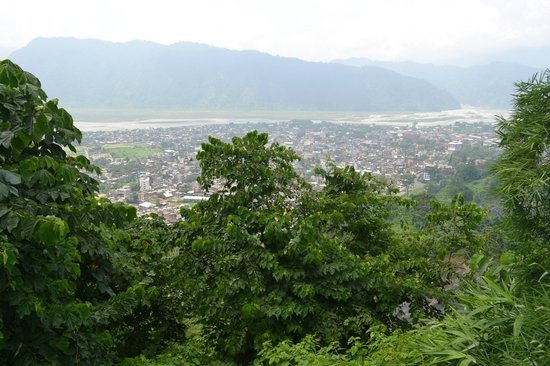
Bhutan's valleys and monasteries unfurl like a living tapestry: prayer flags flutter against emerald hills, chortens punctuate ridge lines and farmhouse kitchens serve butter tea that tastes of home. This 10-day itinerary stitches together Paro, Thimphu, Punakha and central Bhutan — Trongsa and Bumthang — to give you a balanced mix of culture, gentle trekking, festivals and quiet village life.
Before you go: permits, best time and practicalities
All foreign visitors (except citizens of India, Bangladesh and the Maldives) require a visa and must book travel through a Bhutanese-licensed tour operator. Your operator will arrange a daily Sustainable Development Fee (SDF) and the necessary permits. Even if you are travelling independently from India, you will need an Entry Permit stamped at the immigration point.
Best time to visit
- Spring (March–May): Rhododendrons and clear skies — ideal for trekking and festivals.
- Autumn (September–November): Cool, stable weather and good visibility.
- Winter (Dec–Feb): Cold in higher valleys but quieter and crisp; expect snow in Bumthang some years.
- Monsoon (June–August): Lush landscapes but possible road delays and landslides.
Health, altitude and packing
- Central Bhutan reaches 3,000–3,500 m in places; allow a gentle pace and drink water frequently.
- Pack layers, a warm jacket, rain protection, sturdy walking shoes, sun protection and a reusable water bottle.
- Carry a basic first-aid kit and any prescription medicines; pharmacy access can be limited in rural areas.
How this 10-day trip is structured
The itinerary assumes arrival via Paro airport and a clockwise route through the heart of Bhutan: Paro & Thimphu, Punakha and Phobjikha (if time allows), then central Bhutan through Trongsa to Bumthang, returning to Paro. Travel is by private vehicle with driver-guide; road times can be longer than map estimates due to terrain.
Day-by-day itinerary
Day 1 — Arrive Paro, explore Rinpung Dzong and Ta Dzong
Touch down at Paro, one of the most scenic airports in the world. After immigration, take a gentle walk to Rinpung Dzong, the imposing fortress-monastery overlooking the Paro valley. Visit Ta Dzong, the former watchtower, which now houses the National Museum with fine artefacts and thangka collections. Spend the evening strolling Paro town and tasting local cuisine such as ema datshi (chile-cheese) and momos.
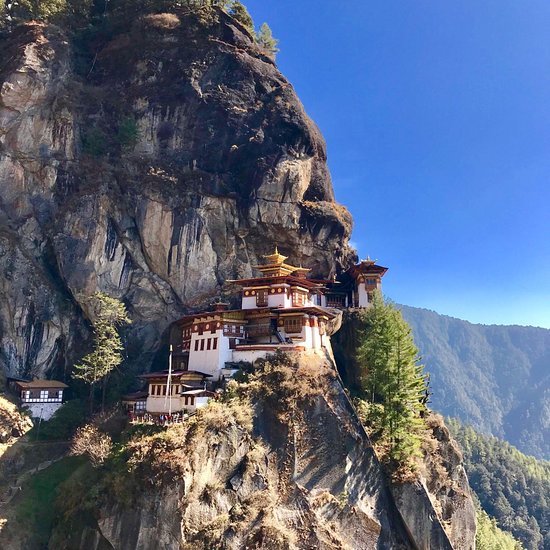
Day 2 — Hike to Tiger's Nest (Paro Taktsang)
Early start to hike to Taktsang, Bhutan's iconic cliffside monastery. The round-trip hike takes 3–5 hours depending on fitness and pace; porter or pony options are available for those who prefer. Take time to sit in the tranquil courtyards and observe pilgrims. In the late afternoon, relax at your hotel and prepare for the drive to Thimphu tomorrow.
Day 3 — Drive to Thimphu, city sightseeing
The short drive to Thimphu introduces you to Bhutan's modern capital — modest in scale but rich in culture. Visit the Memorial Chorten, Tashichho Dzong, the Folk Heritage Museum and the gigantic Buddha Dordenma statue. If interested in traditional crafts, head to the Handicrafts Emporium or the Carpet Weaving Centre. Evening free to explore Thimphu's cafes and local bakeries.
Day 4 — Thimphu to Punakha via Dochula Pass
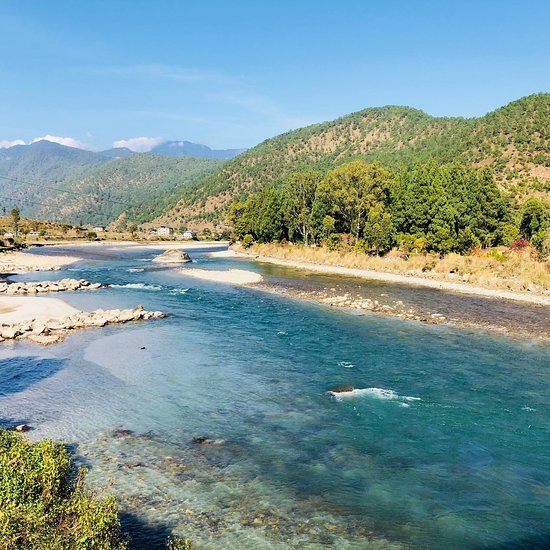
Depart for Punakha, crossing the scenic Dochula Pass with its 108 chortens and Himalayan views on clear days. Optionally stop at the Royal Botanical Park. Arrive in the Punakha valley and visit the beautiful Punakha Dzong, set where the Pho Chhu and Mo Chhu rivers meet. A short, easy hike to Chimi Lhakhang, the fertility temple, is culturally rewarding.
Day 5 — Punakha to Trongsa; the road into central Bhutan
Head eastwards towards central Bhutan. The day is a long but spectacular drive as you ascend into higher terrain and witness changing landscapes and traditional hamlets. Stop at viewpoints and the majestic Wangdue and Pele La areas. Arrive in Trongsa and visit the Trongsa Dzong, strategically perched and rich in royal history. Overnight in Trongsa.
Day 6 — Trongsa to Bumthang (Ura/Chamkhar areas)
Continue to Bumthang, the spiritual heartland of Bhutan, passing through winding roads and pine forests. Depending on time and preference, choose to stay in one of the main Bumthang valleys such as Jakar, Chamkhar or the remote Ura. Explore local villages, traditional wooden houses and the warm hospitality of rural Bhutanese life.
Day 7 — Bumthang: temples, monasteries and local culture
Spend the day visiting Jambay Lhakhang, Kurje Lhakhang, Tamshing and Jakar Dzong. Each temple has its own legends, murals and architectural details. If your visit coincides with a local tsechu (festival), you will see masked dances and vibrant community gatherings. Visit a local farmhouse for a taste of regional dairy products and buckwheat preparations.
Day 8 — Day hike in Bumthang or explore Ura valley
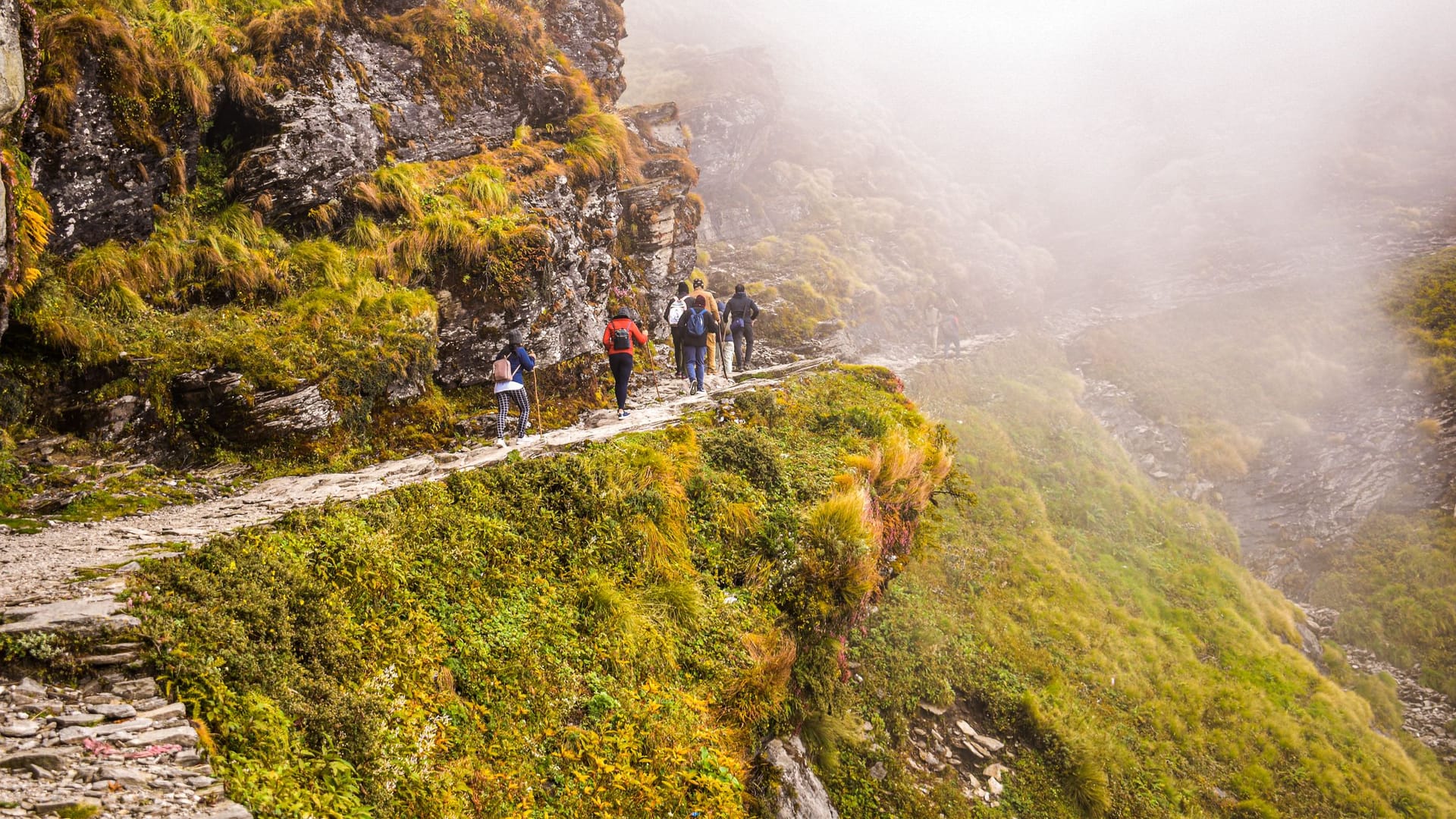
Bumthang offers many gentle hikes among meadows and pine-scented trails. Choose a hike to Mebar Tsho (Burning Lake) — a sacred site linked to the saint Pema Lingpa — or walk through the Ura valley to witness remote mountain life. Photography, birdwatching and conversations with local artisans (weavers and woodcarvers) make this day memorable.
Day 9 — Bumthang to Paro (flight or long drive)
Depending on availability, you can take a domestic flight from Bumthang back to Paro, which saves time and offers dramatic aerial views. If flying isn't an option, prepare for a long but scenic drive back across central Bhutan, retracing through Trongsa and Wangdue. Use this day to relax, reflect and enjoy the passing landscapes.
Day 10 — Paro for last-minute sightseeing and departure
If time allows before your flight, revisit Paro town, explore small shops for handicrafts and pick up souvenirs such as Bhutanese textiles or local honey. Stroll along the Paro Chhu and take a final view of the valley. Your guide will transfer you to the airport for departure with warm memories of central Bhutan and Bumthang.
Optional extensions and alternate routes
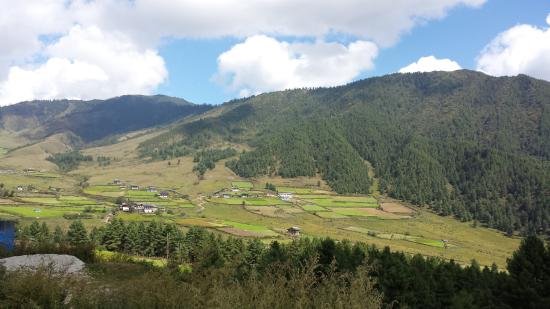
- Phobjikha Valley: Add 1–2 days after Punakha to visit the glacial valley, famous for the endangered black-necked cranes in winter.
- Eastern Bhutan: If you have more time, explore Lhuentse for remote monasteries and rich textile traditions.
- Shorter trip: If 10 days is too long, focus on Paro–Thimphu–Punakha and skip the central loop.
Where to stay and what to expect from accommodation
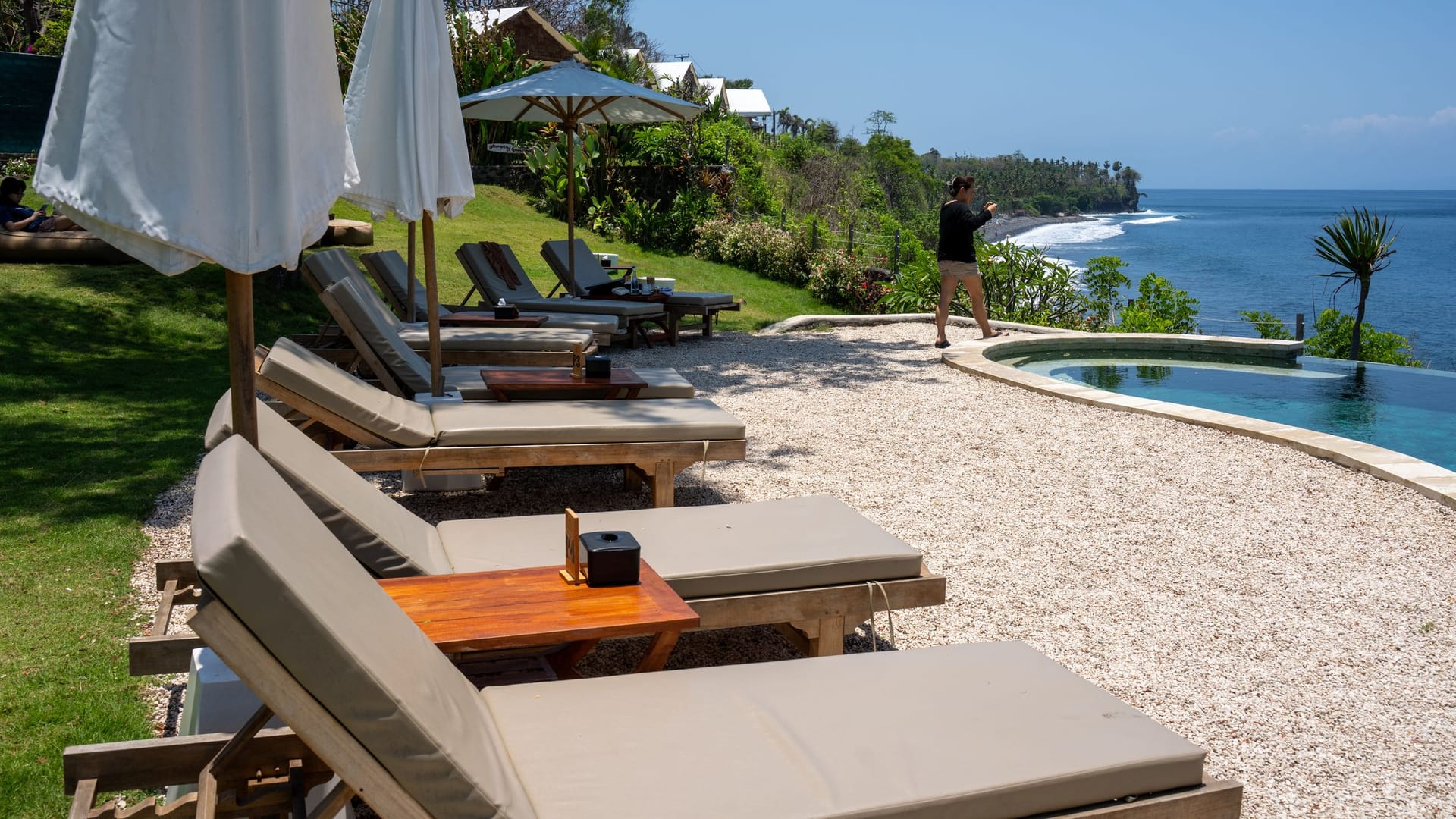
Accommodation ranges from comfortable hotels in Paro and Thimphu to charming lodges and guesthouses in Punakha and Bumthang. In central Bhutan, expect smaller, family-run properties with hearty home-cooked meals and simple comforts. Book in advance if travelling during festival season or national holidays.
Food and cultural etiquette
Bhutanese cuisine is hearty: soups, buckwheat pancakes, red rice and the ubiquitous ema datshi. When invited to a home, accept tea or a simple snack — it is polite. Dress modestly at temples (shoulders and knees covered); remove hats and shoes when entering. Always ask permission before photographing people, especially during religious ceremonies.
Travel tip: Your guide is your cultural gateway — ask questions, show respect for traditions and accept suggested experiences. Bhutanese hospitality is warm and personal.
Transport and road advice
Bhutan's roads wind through mountainous terrain; rides can be slow but scenic. A private vehicle with an experienced driver-guide is the most convenient way to travel between valleys. Domestic flights help bridge long distances, but schedules can change due to weather. Keep flexible timings and luggage light for domestic transfers.
Responsible travel in Bhutan
Bhutan focuses on Gross National Happiness and sustainable tourism. Respect local regulations, avoid littering, and limit use of single-use plastics. Support local businesses — buy textiles from weavers, patronise family-run eateries and consider small donations to temple maintenance if appropriate.
Packing checklist
- Layered clothing and a warm jacket
- Comfortable walking shoes and a light daypack
- Rain jacket or umbrella and sun protection
- Reusable water bottle, toiletries and personal medicines
- Copies of passport, permits and emergency contacts
Final thoughts
This 10-day itinerary balances iconic highlights with deeper immersion in central Bhutan and Bumthang. It moves at a measured pace to honour the landscape, culture and altitude. Whether tracing centuries-old pilgrimage routes, watching masked dances, or sipping tea in a remote valley, central Bhutan rewards travellers who come with curiosity, patience and respect.
Safe travels — and may your journey through Bhutan leave you calmer, inspired and connected to its gentle rhythms.