6-Day Sikkim Itinerary With Gangtok, Lachung and Yumthang Valley
A practical 6-day Sikkim itinerary covering Gangtok, Lachung and the stunning Yumthang Valley, with travel tips, permits, best times to visit and packing advice for Indian travellers.
By TravMe Holidays travel team · · Updated · 5 min read
Sikkim’s dramatic mountain scenery, Buddhist monasteries and high-altitude valleys make it a compact but richly rewarding destination. This 6-day itinerary focuses on Gangtok, the mountain village of Lachung and the luminous Yumthang Valley—perfect for travellers seeking culture, nature and easy adventure in one short trip.
Quick overview: what to expect
This itinerary strikes a comfortable pace: arrive in Gangtok to acclimatise and explore, then head north to Lachung as your base for Yumthang. Expect winding mountain roads, panoramic viewpoints, serene monasteries, and time for short walks rather than long treks. The schedule is well suited to first-time visitors and families who want a mix of sightseeing and relaxation.
How to reach Sikkim and local transport
Most travellers approach Sikkim via Bagdogra Airport (West Bengal) or New Jalpaiguri (NJP) railway station. From either point, private taxis or shared cabs to Gangtok take approximately 4–5 hours depending on traffic and road conditions. Within Sikkim, hiring a local taxi for the full trip (Gangtok–Lachung–Gangtok) is the most convenient option since public transport to high-altitude towns is limited.
Vehicle and road notes
- Roads are mountainous and often narrow; choose an experienced driver familiar with these routes.
- Allow flexibility in travel time—weather, landslides or convoy systems on narrow stretches can delay travel.
- Fuel and mobile network coverage can be patchy in higher reaches; carry essentials and inform your accommodation of arrival times.
Permits and documentation
Indian nationals need an Inner Line Permit (ILP) to visit certain parts of Sikkim. When travelling north of Gangtok—especially to places like Lachung and Yumthang—your tour operator or hotel usually arranges permits. Carry a government-issued photo ID (Aadhaar card or passport) and passport-sized photographs as required.
Tip: Keep soft and hard copies of your permits and ID. Authorities may request to inspect them during checkpoints.
Best time to visit
Each season offers a different charm. Spring (March–May) brings rhododendrons and clear skies; summer monsoon (June–September) is lush but can mean road disruptions; autumn (October–November) gives stable weather and excellent visibility; winter (December–February) covers valleys in snow—roads may close periodically.
6-Day Itinerary: Day-by-day plan
Day 1 — Arrival in Gangtok and easy exploration
Arrive in Gangtok, check into your hotel and spend the day acclimatising. Keep activity light: stroll along MG Marg, enjoy local dishes at a café, and visit the Namgyal Institute of Tibetology if time and energy permit. Early to bed helps adjust to the altitude.
Day 2 — Gangtok: monasteries, viewpoints and local culture
Dedicate a full day to Gangtok’s highlights. Visit the Rumtek Monastery (the seat of the Karmapa), Enchey Monastery, and Hanuman Tok for panoramic views of the Kanchenjunga range. Later, head to the Directorate of Handicrafts and Handloom for traditional Sikkimese arts and pick up souvenirs. Finish with a calm evening at MG Marg.
Day 3 — Transfer to Lachung (approx. 6–7 hours)
Start early for the scenic drive north. En route, stop at scenic points and visit the Seven Sisters Falls and the Cascade near Chungthang. As you climb, you’ll notice distinct changes in vegetation and temperature. Check into your guesthouse in Lachung and have an early night—this helps with acclimatisation for the high-altitude visit to Yumthang.
Day 4 — Yumthang Valley and Zero Point (if conditions permit)
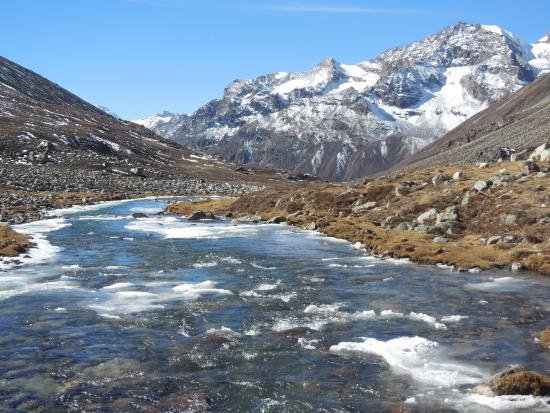
Today’s highlight is Yumthang Valley, known as the Valley of Flowers. The valley blooms magnificently in spring with wildflowers and rhododendrons. Spend time walking in the meadow, taking in the views and photographing the river and mountains. If road and weather conditions allow, you may visit Zero Point (Yumesamdong) for snowy landscapes. Return to Lachung for the night.
Day 5 — Lachung local attractions and return to Gangtok
In the morning you can explore Lachung village, visit local monasteries and walk through terraced fields. After lunch, drive back to Gangtok. Use the evening to rest or explore any spots you missed earlier.
Day 6 — Departure from Gangtok
Depending on your onward travel schedule, you may have time for a last quick stroll or visit the local markets. Transfer to Bagdogra Airport or NJP station for your journey home.
Where to stay
Accommodation ranges from comfortable hotels in Gangtok to cosy family-run homestays in Lachung. In Gangtok, pick a hotel that offers good heating and hot water—especially when travelling in cooler months. In Lachung, favour places that provide locally cooked meals and help arrange permits and local transfers.
What to eat
Sikkimese cuisine is hearty and influenced by Nepali, Tibetan and Bhutanese flavours. Try momos, thukpa, gundruk (fermented leafy greens), and the local sweet, kinema-based preparations. Gangtok has cafés with more varied options, while Lachung offers homely mountain fare—let hosts know dietary preferences in advance.
Packing checklist
- Layered clothing: base layers, warm mid-layer and a windproof outer layer.
- Good walking shoes with grip; warm socks and a hat.
- Sunscreen, sunglasses and lip balm—UV at altitude can be strong.
- Basic medicines, altitude sickness remedies and personal prescriptions.
- Power bank, camera and extra memory cards; carry essential chargers and adaptors.
Health, safety and altitude advice
Altitude sickness can affect anyone. Take it slow, hydrate well and avoid strenuous exertion on arrival. Recognise symptoms—headache, nausea or dizziness—and descend if they worsen. Travel insurance that covers medical evacuation is recommended for peace of mind. Carry reusable water bottles and avoid single-use plastics where local disposal is limited.
Alternative activities and side trips
- Teesta River: For those interested in river activities, parts of Teesta offer scenic views and rafting options in lower reaches—check availability and safety standards.
- North Sikkim loop: If time permits and permits are in order, explore other high-altitude attractions like Mangan or Chungthang.
- Cultural experiences: Attend a local homestay meal or a monastery prayer session to better understand Sikkim’s spiritual life.
Sustainable travel pointers
Respect local customs—dress modestly at religious sites and ask before photographing people. Stick to marked trails in Yumthang to protect fragile alpine flora. Use refillable water bottles and carry waste bags to bring back non-biodegradable trash, as recycling facilities are limited in remote areas.
Final tips for a smooth trip
- Book transport and accommodation in advance during peak seasons.
- Confirm permit procedures and have contact details for your lodge or tour operator handy.
- Keep an open schedule—mountain travel is best enjoyed when you allow for change and unexpected delights.
Sikkim is compact but diverse: within a few days you can experience Himalayan vistas, tranquil valleys and rich Buddhist culture. This 6-day plan balances time to explore Gangtok’s charm and the high-altitude beauty of Lachung and Yumthang—ideal for those seeking a restorative mountain escape.
Safe travels and enjoy the mountains—Sikkim awaits with its quiet monasteries, bright rhododendrons and sweeping Himalayan panoramas.