6-Day Pilgrimage Itinerary: Dwarka, Nageshwar and Somnath
A detailed 6-day pilgrimage itinerary across Gujarat’s sacred sites — Dwarka, Nageshwar and Somnath — with travel tips, temple timings, transport options and local experiences to plan a meaningful spiritual journey.
By TravMe Holidays travel team · · Updated · 6 min read
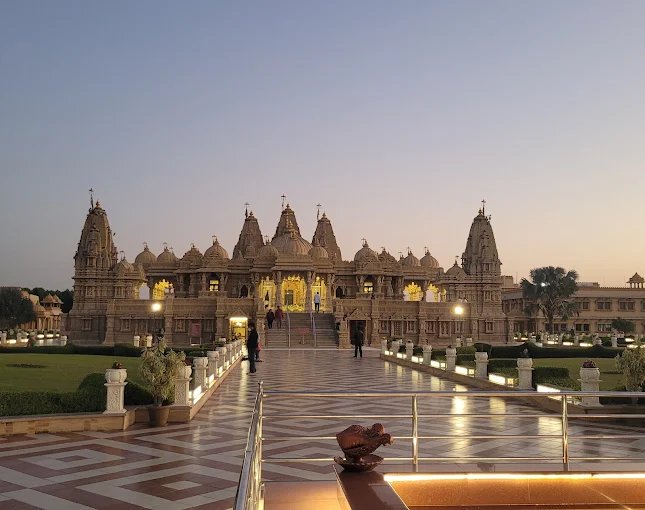
This 6-day pilgrimage itinerary takes you through three of Gujarat's most revered temples: Dwarkadhish Temple in Dwarka, Nageshwar Jyotirlinga near Dwarka, and the Somnath Temple in Prabhas Patan. Designed for pilgrims who seek a balanced mix of darshan, temple rituals and local culture, the plan includes travel logistics, suggested timings, nearby attractions and practical tips to make your spiritual journey comfortable and memorable.
Overview: Why these three temples?
Dwarka, Nageshwar and Somnath form an iconic spiritual triangle along Gujarat's coast. Dwarka is associated with Lord Krishna and is one of the Char Dham pilgrimage sites. Nageshwar is renowned as one of the 12 Jyotirlingas of Lord Shiva, offering a blended Shaiva-Vaishnava experience. Somnath, too, is a Jyotirlinga with a long history of devotion and restoration. Together they provide a deep immersion into India’s living religious traditions and coastal holy geography.
Best time to go
The ideal months are October to March when the weather is cool and pleasant. Avoid the peak summer months as daytime temperatures on the Saurashtra coast can be hot and humid. Monsoon transforms the landscape but travel can be disrupted by heavy rains; if you prefer lush scenery and don’t mind occasional delays, this can still be an evocative time for a pilgrimage.
How to reach and travel logistics
Major railheads and airports that serve this itinerary include Ahmedabad, Rajkot, Jamnagar and Diu (for flights); Porbandar and Veraval are useful rail stations for coastal legs. Road travel between the temples is straightforward, with state highways connecting Dwarka, Nageshwar and Somnath. Most travellers opt for a private car or a pre-arranged cab for comfort and flexibility.
- From Ahmedabad: Drive or take a train/bus to Dwarka; the road trip offers coastal views and small town stops.
- Bhavnagar/Veraval: Rail links to Somnath; Veraval is the nearest railhead for Somnath.
- Porbandar: Close to Dwarka and offers rail connections; it’s also the birthplace of Mahatma Gandhi if you wish to add a cultural stop.
Day-by-day itinerary
Day 1 — Arrival in Dwarka
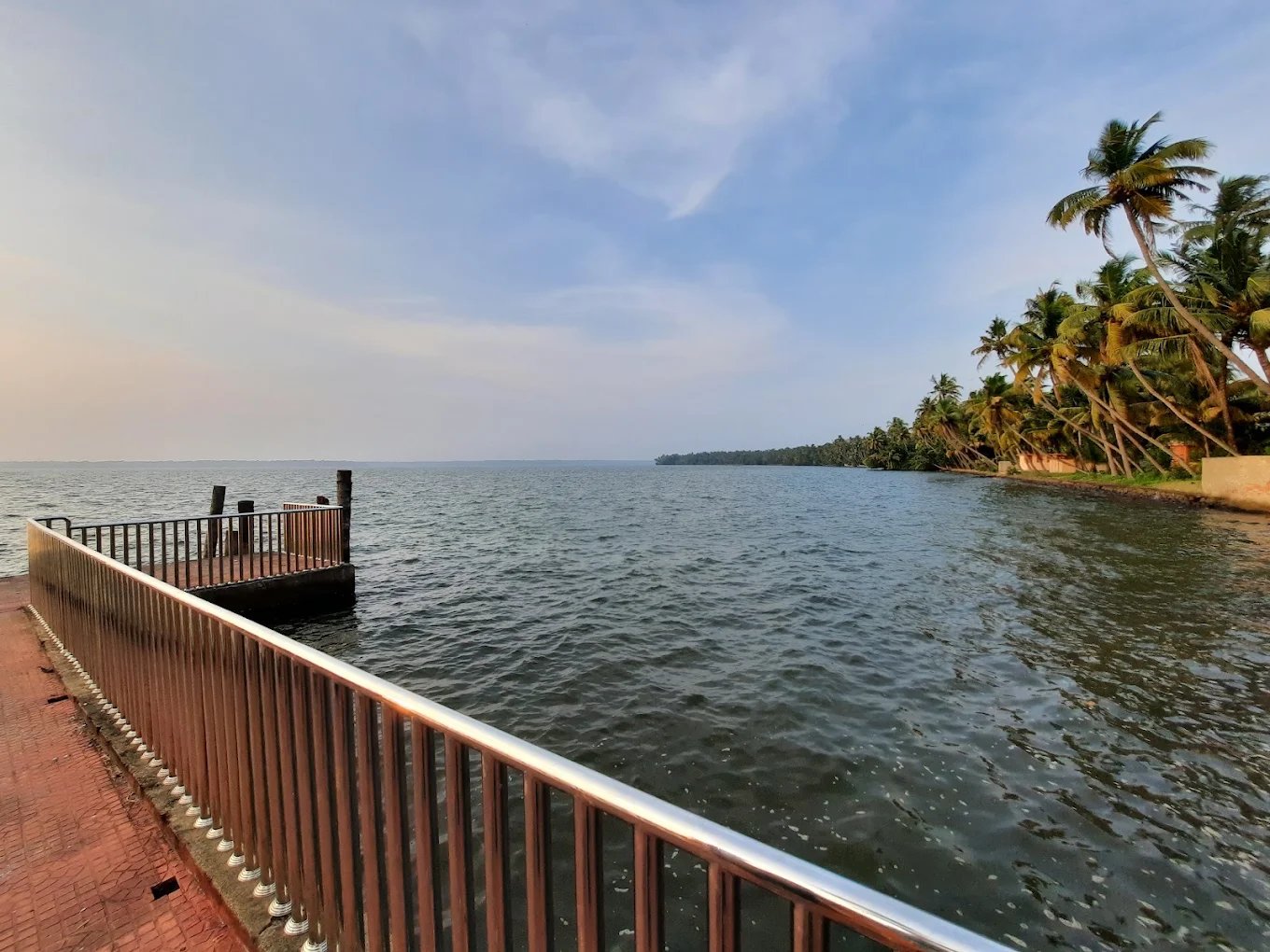
Reach Dwarka by afternoon or evening and check into your hotel. Take time to rest after the journey. In the evening, visit the Dwarkadhish Temple for the aarti (evening prayer) — this is often a moving experience with devotional singing and a glowing temple atmosphere. If time permits, take a gentle walk along the Gomti River bank and the nearby steps (ghats).
Day 2 — Dwarkadhish Temple and nearby shrines
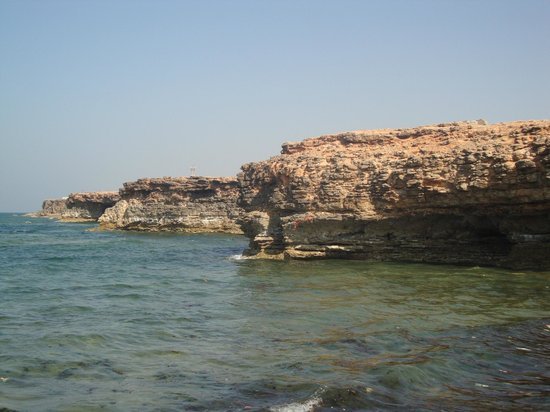
Begin early to join the morning darshan at Dwarkadhish Temple when the atmosphere is quieter. Explore the temple complex, its chariots and murals. After darshan, visit Bet Dwarka — the island linked to Krishna lore. A short boat ride from Dwarka takes you to Bet Dwarka where you can see ancient temples and peaceful beaches. Return by late afternoon; spend the evening at leisure or participate in local bhajans if available.
Day 3 — Nageshwar Jyotirlinga and local exploration
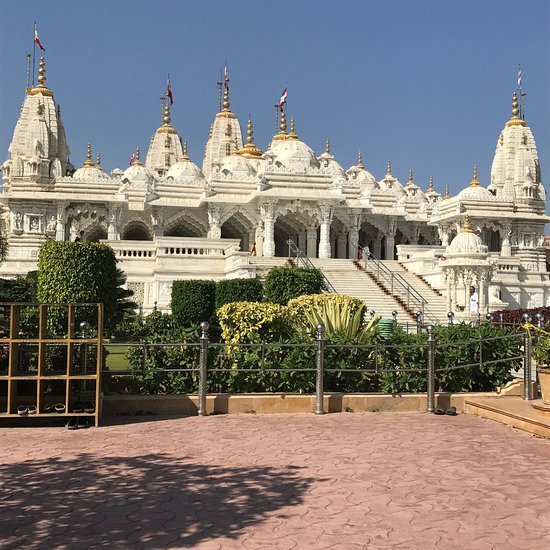
Head to Nageshwar, a short drive from Dwarka. The Nageshwar temple is one of the 12 Jyotirlingas and is set in a quieter, more rustic atmosphere than larger shrine complexes. Allow time for darshan, circumambulation and a walk around the temple precincts. Nearby, you can explore smaller temples and coastal villages that give insight into local life. Return to Dwarka or stay locally depending on your travel preference.
Day 4 — Journey to Somnath (via Porbandar optional)
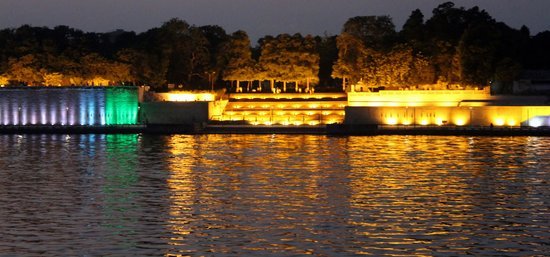
Drive south towards Somnath. If you have time and interest, stop at Porbandar to visit Kirti Mandir (the Gandhi birthplace museum) and stretch your legs. Continue to the Somnath area and check into your hotel near Prabhas Patan. In the evening, attend the Somnath Temple’s aarti on the seafront — the illuminated temple against the Arabian Sea is a sight to behold.
Day 5 — Somnath Temple and local sites
Rise early for the mangala aarti and morning darshan at Somnath Temple. After the formal rituals, explore the temple’s history at the Somnath Museum and nearby Junagadh gate area. Take time for a reflective walk along the Somnath beachfront and visit other nearby shrines such as Bhalka Tirtha, where Krishna is believed to have been struck by an arrow. You can also plan a short excursion to Girnar in the evening if time and energy permit.
Day 6 — Final darshan and departure
Use your final morning for one last darshan at Somnath. Complete any rituals or offerings you had planned. Start your return journey to your onward destination — Ahmedabad, Rajkot or other hubs — keeping in mind travel time. If you are travelling by train from Veraval, allow extra time for transfers.
Temple timings and ritual tips
- Major temples usually have early morning and evening aarti; morning darshan is less crowded and more peaceful.
- Carry simple offerings (like flowers or fruit) if you wish; verify temple-specific rules as some temples restrict certain items.
- Dress modestly and comfortably — traditional Indian attire or modest western clothing is appropriate. Footwear is not permitted inside sanctums; keep socks or a small bag for shoes handy.
- Respect queue systems during peak seasons and festivals; follow temple volunteers’ instructions for special pujas.
Tip: If you want a quieter experience, avoid major festival dates and plan weekday visits. Early mornings provide the most contemplative environment for darshan and photography.
Accommodation and food
Dwarka and Somnath offer a range of accommodation from government-run dharamshalas and budget hotels to comfortable mid-range and a few higher-end options. For a pilgrimage trip, staying near the temple complex is convenient for early morning darshan and evening aarti.
Local cuisine in Saurashtra is hearty and flavourful. Try traditional Gujarati thalis, coastal seafood where available, and snacks like fafda, khandvi and dhokla. If you follow a strict vegetarian or sattvic diet for pilgrimage reasons, hotels and temple langars generally provide simple vegetarian meals.
Packing checklist and health tips
- Comfortable footwear (you'll remove them often), light cotton clothes for day and a warmer layer for winter mornings.
- Sun protection: hat, sunglasses and sunscreen for coastal sun.
- Basic medicines, hand sanitiser and bottled water. Stick to trusted food vendors if you have a sensitive stomach.
- Respectful items for darshan: small offerings, a clean handkerchief and a bag for footwear.
Responsible travel and local culture
Gujarat is culturally rich and conservative. Observe local customs, ask before photographing people, especially during rituals, and support local businesses by buying artisanal crafts or snacks from small vendors. Keep the temples and beaches clean — use dustbins and avoid single-use plastics where possible.
Optional extensions and side trips
- Bet Dwarka boat trip — serene island with Krishna temples.
- Porbandar — Kirti Mandir and coastal views, ideal for a short cultural stop.
- Gir Forest National Park — if you’d like to add wildlife, consider a detour to see the Asiatic lions (advance permits and booking required).
Final notes
This 6-day itinerary balances sacred rituals with time for reflection and light local exploration. Whether you travel solo, with family or as part of a group, prioritise personal comfort and a calm pace — the essence of a pilgrimage is inward as much as it is about visiting holy places.
May your journey to Dwarka, Nageshwar and Somnath be peaceful, safe and spiritually fulfilling.