5-Day Sikkim Itinerary: Gangtok, Tsomgo Lake and Lachung
A practical, day-by-day 5-day Sikkim itinerary covering Gangtok, Tsomgo Lake, Nathula pass options, and a scenic trip to Lachung and Yumthang Valley, with travel tips, permits and packing advice.
By TravMe Holidays travel team · · Updated · 6 min read
This 5-day Sikkim itinerary takes you through the highlights of East and North Sikkim: vibrant Gangtok, the glacial Tsomgo Lake, and the charming mountain village of Lachung with access to Yumthang Valley. It is paced for first-time visitors who want comfortable travel, memorable scenery and cultural encounters without rushing.
Quick overview
Duration: 5 days. Base: Gangtok (first two nights), Lachung (one night), return to Gangtok (final night). Transport: road travel from Siliguri/Bagdogra airport or NJP/Bagdogra railhead. Best for travellers who want a mix of scenic drives, short hikes, high-altitude lakes and local culture. Some places require permits — plan ahead.
Before you go: permits, altitude and timing
Permits: Indian nationals need an Inner Line Permit (ILP) to visit Sikkim; foreign nationals require an Alien Travel Permit (ATP) for many areas. Short excursions such as Tsomgo Lake and Nathula require additional temporary permits obtainable through registered hotels, tour operators or the Sikkim tourism website. Carry passport/ID and multiple copies.
Altitude and acclimatisation: Gangtok sits at about 1,650 m, Tsomgo Lake at ~3,780 m and Lachung at ~2,700 m. Allow time to acclimatise, stay hydrated, avoid heavy exertion on arrival and carry basic altitude sickness medication if you are prone to headaches or breathlessness.
Best time to visit: March to June for clear skies and rhododendron blooms, September to November for post-monsoon clarity and stable weather. Winters are cold and attract visitors seeking snow, but roads can be tricky.
How to reach and local transport
By air: Bagdogra (IXB) is the nearest airport. From there it is a 4–5 hour drive to Gangtok. Pre-book a private car or shared taxi through reliable operators.
By rail: New Jalpaiguri (NJP) is the closest major railhead. Taxi or shared cabs to Gangtok are readily available at the station.
Local travel: For this 5-day plan, it is most practical to hire a private car with a driver familiar with Sikkim’s mountain roads. Shared cabs work for certain legs but can slow your schedule. In Gangtok and Lachung, local walks and short taxis are convenient.
Day-by-day itinerary
Day 1: Arrival in Gangtok — relax and local sights
Arrive via Bagdogra or NJP and drive to Gangtok. Use this day to relax and acclimatise. Check in to your hotel, sip some warm tea and take a gentle walk along MG Marg, Gangtok’s pedestrianised promenade lined with shops and cafés.
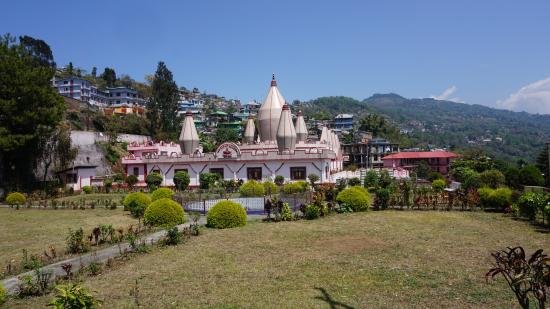
If you feel up to light sightseeing, visit the Enchey Monastery for a quiet introduction to local Buddhist culture, and the Directorate of Handicrafts & Handloom to browse Sikkimese handloom work and local souvenirs. Keep the evening light and get an early night.
Day 2: Tsomgo Lake and optional Nathula (if permitted)
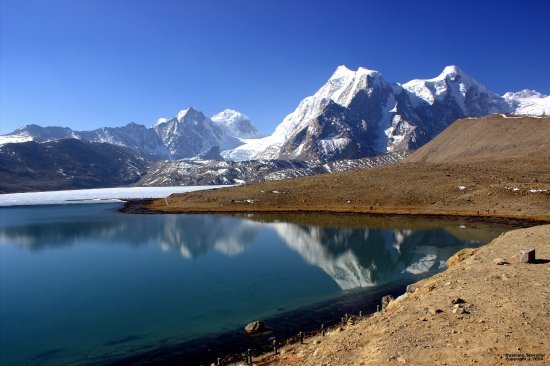
Start early for the scenic drive to Tsomgo (Changu) Lake. The lake is strikingly blue, framed by snow-dusted peaks; though weather-dependent, a calm morning makes for great views and photos. Short walks around the lake are possible, but avoid straying on fragile terrain.
Many visitors combine Tsomgo with the Nathula Pass (India-China border) if permits are available. Nathula permits are restricted and often require prior application and military clearance; your hotel or tour operator can advise. If Nathula is not accessible, spend more time at Tsomgo or visit the nearby Baba Harbhajan Singh shrine.
Return to Gangtok in the evening. Expect a long day on mountain roads; carry warm clothing and water.
Day 3: Journey to Lachung via scenic mountain roads
Leave early for Lachung. The drive is one of the highlights of North Sikkim, with views of terraced fields, rhododendron forests and river valleys. You will pass through Chungthang, a strategic confluence of rivers, where you can stop to stretch and take photographs.
On arrival in Lachung, check in and walk around the village to feel the mountain rhythms. Lachung is compact and tranquil — enjoy local food at small eateries and interact with friendly locals. Rest and prepare for the next day’s valley exploration.
Day 4: Yumthang Valley and Zero Point (weather permitting)
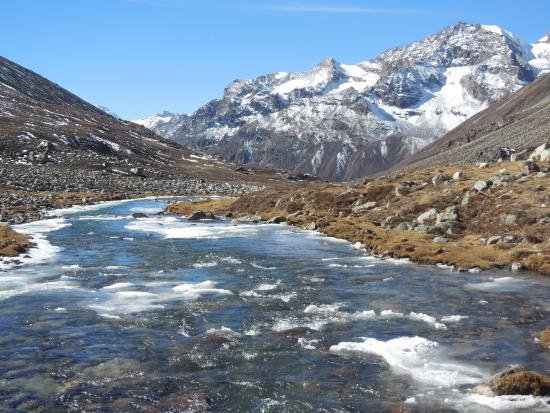
Today’s crown jewel is Yumthang Valley, often called the “Valley of Flowers.” In spring, meadows burst with wildflowers and rhododendrons; in late winter and early spring you may see snow-dusted landscapes. From Lachung, a short drive takes you to the valley entrance. Spend time walking the meadows, taking in the panorama and visiting the hot springs nearby if you like.
Beyond Yumthang is Zero Point (Yumesamdong), a high-altitude plateau accessible in good weather. Check road conditions and permit status; the road may be closed in winter or after heavy snowfall. Return to Lachung for the night.
Day 5: Return to Gangtok and departure
Begin your return to Gangtok after breakfast. If time allows and road conditions are favourable, stop en route at scenic viewpoints or small villages to stretch and take photos. Arrive in Gangtok with time to pick up last-minute souvenirs or enjoy one final meal.
Depart that evening or the following morning to Bagdogra/NJP depending on your onward travel plans.
Where to stay
Choose accommodation in Gangtok that is centrally located near MG Marg for easy access to dining and tour pickups. In Lachung, family-run guesthouses and cosy mountain lodges are common and add to the experience — opt for places that are warm, have hot water and good reviews for hygiene and hospitality.
Food and dining tips
Sikkim’s cuisine blends Nepali, Tibetan and local flavours. Try momos, thukpa (noodle soup), gundruk (fermented leafy greens) and the local variety of rice and lentils. Tea stalls in Gangtok offer local kahwa and chai. In high-altitude places like Lachung, menus are simpler; carry snacks for long drives and any dietary essentials.
Packing checklist
- Layered clothing: warm jackets, thermals, light layers for daytime
- Comfortable walking shoes with good grip
- Sunglasses, sunscreen and lip balm for high-altitude sun exposure
- Personal medicines, altitude sickness tablets and a basic first-aid kit
- Water bottle (reusable) and snacks for road journeys
- Copies of ID, permits, travel confirmations and emergency contact numbers
- Power bank and camera with extra batteries
Safety, responsible travel and local etiquette
Mountain roads can be narrow and weather can change quickly. Travel with experienced drivers, avoid night driving on mountain stretches and keep your driver’s phone number handy. Respect local customs at monasteries — dress modestly, remove hats and shoes where required and ask before photographing people.
Keep the environment clean: carry back non-biodegradable waste, avoid single-use plastics where possible and stick to marked paths to protect fragile alpine flora. Interact respectfully with local communities and consider supporting local businesses by buying handicrafts or dining in village eateries.
Optional extensions and alternatives
If you have extra days or prefer a different focus, consider:
- Adding Pelling to experience western Sikkim’s views of the Kanchenjunga range and heritage sites.
- Spending more time in North Sikkim for deeper exploration of remote valleys, villages and trekking options.
- Including a visit to Rumtek Monastery and Tashi Viewpoint near Gangtok for spiritual and panoramic experiences.
Tip: Book permits, accommodation and mountain permits through reputable local operators or official Sikkim tourism portals to avoid last-minute hassles.
Conclusion
This 5-day Sikkim itinerary balances iconic sights and relaxed travel. It lets you savour Gangtok’s charm, marvel at the high-altitude beauty of Tsomgo Lake and immerse in the mountain serenity of Lachung and Yumthang. With sensible acclimatisation, the right permits and a flexible attitude to weather, you’ll come away with memorable landscapes, cultural insights and a longing to return to Sikkim’s pristine hills.