4-Day Sikkim Itinerary for a Short Himalayan Break
A compact 4-day Sikkim itinerary that covers Gangtok, Tsomgo Lake, Nathula (or alternatives), and the scenic North Sikkim valleys for a refreshing Himalayan break. Practical tips, permits and travel advice included.
By TravMe Holidays travel team · · Updated · 6 min read
Sikkim is a compact Himalayan state where dramatic mountain views, vibrant Lepcha and Bhutia cultures, and serene mountain lakes are separated by just a few hours’ drive. This 4-day Sikkim itinerary is designed for travellers who have a short window but want a soothing, well-paced introduction to the state’s highlights — Gangtok’s charms, the otherworldly lakes and passes near the Indo-China border, and a taste of North Sikkim’s tranquil valleys.
Overview and who this itinerary suits
This plan works best for travellers flying into Bagdogra (IXB) or arriving by train at New Jalpaiguri (NJP), and who have limited time (long weekend or four-day break). It balances sightseeing with acclimatisation, keeps road time reasonable, and offers options if permits are delayed or weather intervenes. This is ideal for first-time visitors, couples, small groups and families comfortable with mountain roads.
Important practicalities before you go
Permits and documents
Indian nationals need an Inner Line Permit (ILP) for many parts of Sikkim; foreigners require a Protected Area Permit (PAP). Permits are usually arranged through hotels, tour operators or at check posts in Gangtok. Carry photo ID, passport-size photos, and printouts of your hotel bookings. Check well in advance for permits to places like Nathula and North Sikkim, as there are daily quotas and restrictions.
Best time to visit
For clear mountain views and comfortable weather, opt for spring (March–May) or autumn (September–November). Winters (December–February) are cold and some high passes and roads may be closed due to snow; summer (June–August) brings rain and occasional landslides but lush landscapes and fewer crowds.
Health and acclimatisation
Altitude in Sikkim varies — Gangtok sits around 1,650 m, Tsomgo Lake at 3,780 m and Nathula higher still. Stay hydrated, avoid heavy exertion on the first day, and consider spending your first morning taking it easy to acclimatise. If you have heart or respiratory issues, consult a doctor before travel.
Day-by-day 4-day itinerary
Day 1: Arrival — Gangtok leisure and local sights
Arrive at Bagdogra airport or NJP station in the morning or by midday. Transfer to Gangtok (4–5 hours by road depending on traffic). Check in and take the afternoon to relax — walk the MG Marg in the evening, enjoy local cafés, and sample Sikkimese and Nepali-inspired cuisine. If time and energy permit, visit the Flower Exhibition Centre (seasonal) or the Namgyal Institute of Tibetology for a gentle cultural start.
Highlights and practical tips for Day 1
- Drive time gives you your first Himalayan vistas — carry motion-sickness remedies if needed.
- MG Marg is pedestrianised and perfect for an evening stroll and dinner.
- Try local dishes like phagshapa, momos and thukpa; tea culture here is strong — try local varieties.
Day 2: Tsomgo Lake and optional Nathula Pass
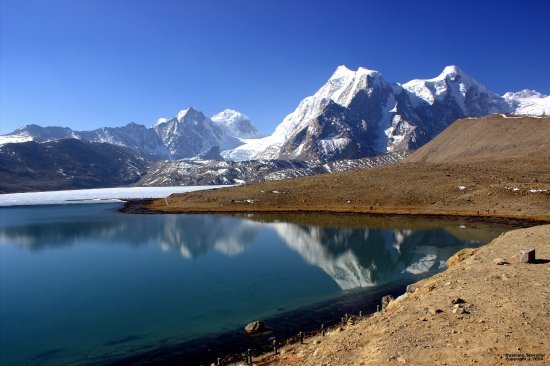
Start early for Tsomgo (Changu) Lake, roughly an hour’s drive from Gangtok. The glacial lake framed by snow-clad peaks is breathtaking; ride a yak, sip hot tea from a roadside vendor, and take in the clear air. If you have permits and the road is open, extend to Nathula Pass (closed on certain days for Indian nationals and typically closed for foreigners on many occasions). Nathula sits on the old Silk Route and offers historical interest and stark mountain vistas.
Alternative for restricted Nathula access
If Nathula is unavailable, consider the Baba Harbhajan Singh Mandir or explore nearby viewpoints and local markets. Spend the evening back in Gangtok — perhaps catch a cultural show or browse the Tibetology Institute if not done on Day 1.
Highlights and practical tips for Day 2
- Carry warm clothing — temperature drops sharply at high altitudes.
- Expect queues for permits and photo spots at Tsomgo; arrive early to avoid crowds and to have better light for photography.
- To reduce altitude stress, don’t overeat; small, frequent meals are better.
Day 3: Transfer to North Sikkim — Lachung or Lachen (depending on preference)
Begin early for North Sikkim. You’ll travel along dramatic mountain roads lined with rhododendrons, waterfalls and river gorges. You can choose to base in Lachung (for Yumthang Valley and Zero Point) or Lachen (for Gurudongmar Lake). The drive itself is a big part of the experience; stop at scenic points and small villages en route.
Evening in Lachung/Lachen
Settle into a local guesthouse or hotel. These mountain villages are small with limited dining choices but warm hospitality. Spend the evening resting and enjoying the mountain air.
Highlights and practical tips for Day 3
- Roads can be bumpy — keep a small daypack with essentials and motion comforts.
- Fuel and connectivity are limited; power cuts may happen. Carry chargers and a torch.
- Local guides offer excellent insight; hiring through your hotel or a reputable operator is recommended.
Day 4: High valleys and return to Gangtok
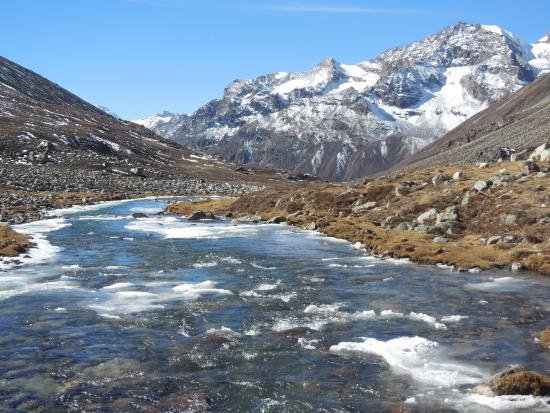
Early morning visits vary by base: from Lachung head to Yumthang Valley (famous for meadows, especially in spring) and the ropeway to Zero Point if open; from Lachen, visit Gurudongmar Lake if you arranged a permit and early access. These are long, high-altitude outings but extremely rewarding. Return to Gangtok by late afternoon/evening to connect with outbound travel or to rest before departure the next day.
Highlights and practical tips for Day 4
- Dress in layers — mornings are freezing, afternoons may be milder.
- Carry packed snacks, water and necessary medication because food stops are sparse in remote valleys.
- Respect local customs and natural sites — many lakes and passes are sacred.
Where to stay and eat
In Gangtok choose a centrally located hotel or homestay near MG Marg or Deorali for easy access to restaurants and shops. In North Sikkim, mountain lodges and guesthouses are simple but cosy; book in advance during peak season. Dining options in Gangtok span street food to multi-cuisine restaurants; try local specialties and, where possible, eat at family-run places to support communities.
Packing checklist for a 4-day Sikkim trip
- Warm layers: thermal inners, fleece, a down jacket, gloves and a warm hat.
- Good walking shoes and a pair of warm socks.
- Light rain jacket and waterproof cover for your backpack (monsoon/shoulder seasons).
- Essential medications, altitude sickness tablets if prescribed, and a basic first-aid kit.
- Power bank, camera, sunglasses, sunscreen and a reusable water bottle.
Tip: Keep one day flexible in your schedule for permit delays, bad weather or to simply linger at a favourite spot — mountain time is unhurried and often rewards patience.
Safety, responsible travel and cultural etiquette
Road safety is paramount: choose an experienced driver for mountain routes and avoid night driving. Respect local customs — ask before photographing people, remove shoes before entering many temples, and keep noise low in villages. Carry your waste back with you where disposal is limited, and support local businesses and homestays for authentic experiences.
Optional extensions and variations
If you can add days, consider a longer North Sikkim loop to Gurudongmar and Chopta Valley or a relaxed stay in Pelling for views of Kanchenjunga and monasteries. Alternatively, convert one day into a culture-focused stay, exploring monasteries, local weaving centres and visiting the remote hamlets around Ravangla.
Booking tips
- Book permits and accommodation well in advance during peak months.
- Check road and weather conditions a day before each long drive — local operators and hotels are good sources of up-to-date information.
- Choose a responsible operator for North Sikkim travel; many remote areas have strict regulations and limited operator options.
With its dramatic scenery and warm mountain hospitality, a 4-day trip to Sikkim can feel both rejuvenating and enriching. Keep your plans flexible, respect local rules on permits and sacred sites, and let the slow rhythm of mountain travel set your pace. You’ll return with fresh mountain memories — crisp air, fluttering prayer flags, sparkling lakes and the quiet kindness of Himalayan villages.
Safe travels and enjoy your short Himalayan break in Sikkim.