4-Day Kutch Itinerary With Bhuj, White Rann and Craft Villages
A practical 4-day Kutch itinerary covering Bhuj, the White Rann, Mandvi, and traditional craft villages like Bhujodi and Nirona, with tips on timing, transport, where to eat and what to pack.
By TravMe travel team · · 6 min read
Kutch is a landscape of contrasts: salt flats that glow like sheets of silver, windswept deserts dotted with small villages and ornate craftspeople preserving centuries-old techniques. This 4-day itinerary from Bhuj gives you a compact, immersive experience—combining the Rann of Kutch’s surreal horizons with the living craft heritage of Kutch’s villages and a touch of coastal calm at Mandvi.
Quick planning essentials
Best time to visit: October to February for cool, dry weather and to coincide with the Rann Utsav (if you want festival vibes). Summer is extremely hot and largely unsuitable for sightseeing. Travel base: Bhuj city works best—Bhuj Airport connects to major Indian cities and Bhuj is the gateway to Kutch district.
Transport: Hire a private car with a local driver for flexibility—distances between sites are manageable but spread out. Alternatively, pre-book day tours or use local taxis. Roads are mostly motorable, though some village lanes are rough.
Day 1 — Arrive in Bhuj and explore the town
Morning: Arrive in Bhuj and check into your hotel. Take a relaxed start to acclimatise—Kutch’s pace is unhurried and the first day is for gentle immersion.
Bhujia Hill and local museums
Ascend Bhujia Hill for a short walk and views over the city. Visit the Kutch Museum to see natural history exhibits and tribal artefacts that contextualise the region’s culture. The Aina Mahal and Prag Mahal palaces in the old city showcase Kutch’s royal past and colonial-era architecture.
Evening: Bhujodi craft village
Drive to Bhujodi, a 15-minute ride from Bhuj, home to master weavers who make bandhani, ajrakh and intricate kutchi textiles. Stroll through narrow lanes, meet artisans and shop for shawls, stoles and handwoven rugs. Bhujodi is ideal for witnessing weaving on pit looms and for buying directly from producers.
Day 2 — Craft villages: Nirona, Hodka and the region’s living arts
Dedicate a day to craft villages that keep Kutch’s material culture alive. Book the driver for a full day and start early.
Nirona: Rogan and pottery
Nirona is a small village famous for Rogan painting—a rare, oil-based enamel art practised by a single family—and for copper bell-making and leatherwork. Watch Rogan artists create motifs by hand using a single rod and oil-based pigments, and explore pottery workshops where wheel-thrown wares are fired in traditional kilns.
Hodka and Ludiya: embroidery and leatherwork
Hodka sits near the Great Rann and is known for embroidered textiles and mirrorwork. Visit Ludiya and surrounding hamlets to see artisans embroidering bold geometric patterns on tribal garments. These encounters are personal—purchases directly support households and help preserve skills.
Interaction tips
- Ask before photographing people; many artisans are open to it but prefer to be asked.
- Carry small change and prefer cash for small purchases in villages.
- Be curious—ask about techniques, materials and family histories: artisans are often happy to explain their processes.
Day 3 — White Rann (Great Rann of Kutch) and Kalo Dungar
This is the headline day: the White Rann and Kalo Dungar together give a dramatic juxtaposition of vast salt flats and rugged high ground. Start early to catch the best light.
Early morning at the White Rann
Arrive before sunrise to see the salt desert change colours—from pale blues to pink and golden hues. Walk on the compacted crust (stick to permitted areas) and experience the hush of the open salt pan. During Rann Utsav, the area near Dhordo hosts camps and cultural performances; even off-festival months the landscape is the main attraction.
Kalo Dungar (Black Hill) and the India Bridge
After the Rann, drive to Kalo Dungar—Kutch’s highest point. From the hill you can look across the Rann to Pakistan on a clear day. The nearby India Bridge, an old berm road meeting the Rann, offers an unusual photographic perspective where asphalt fades into white salt.
Sunset options
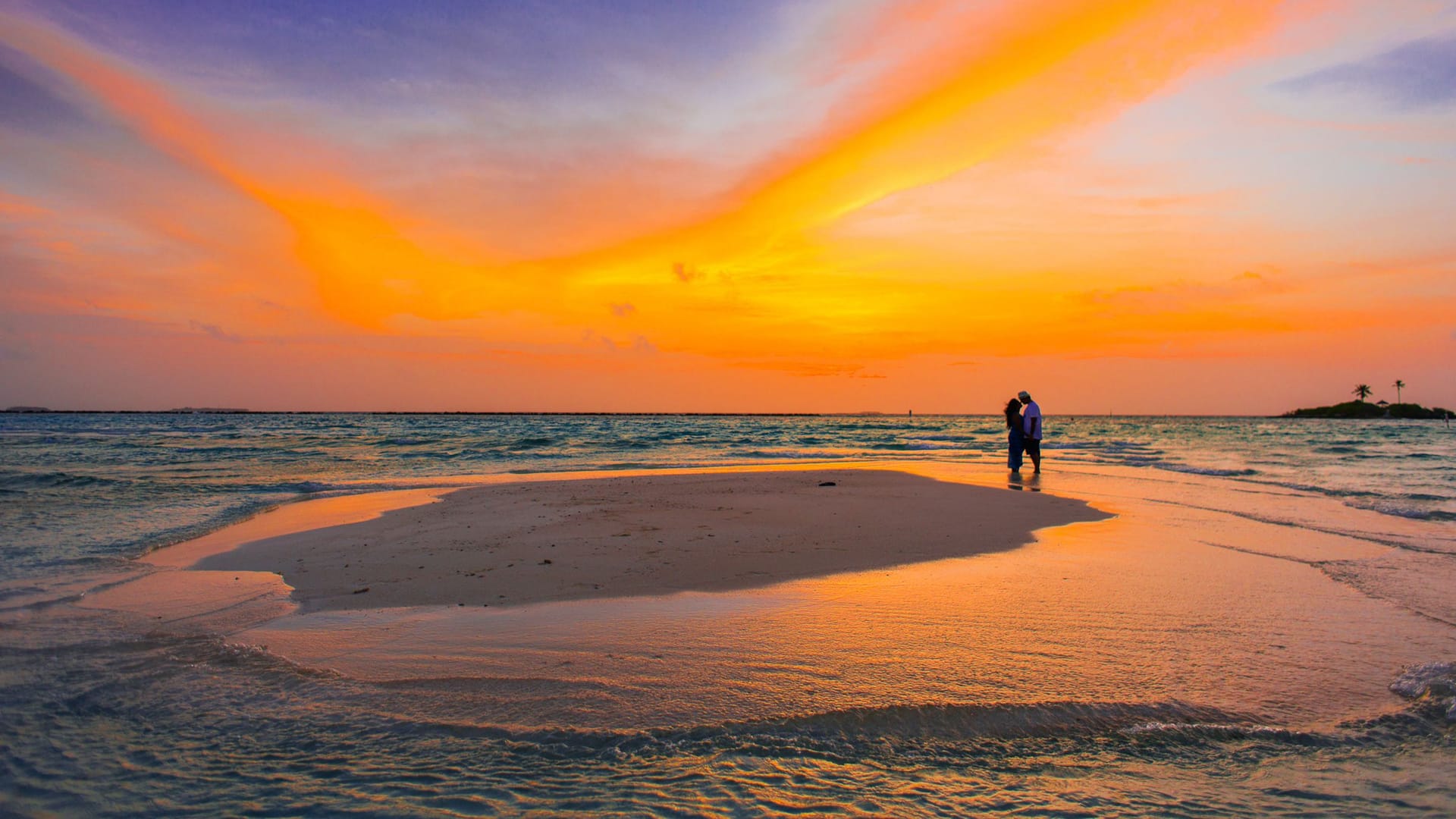
Return to the White Rann area for sunset if you prefer the dramatic colour changes, or watch the light from Kalo Dungar. Both provide unforgettable vistas; your choice depends on daylight, distance and whether you want to be near festival camps.
Day 4 — Mandvi, Vijay Vilas Palace and beach time
Wind down your trip with a blend of architecture, history and sea air at Mandvi on Kutch’s Arabian Sea coast. It’s a 1.5–2 hour drive from Bhuj depending on traffic.
Vijay Vilas Palace and shipbuilding yards
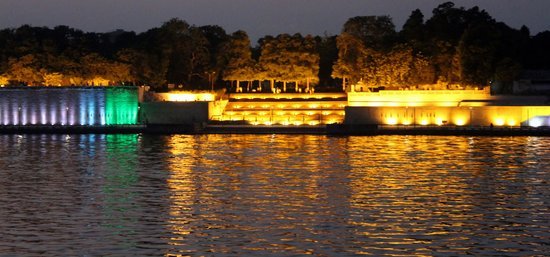
Vijay Vilas Palace is a coastal palace with ornate interiors and garden terraces overlooking the sea. Nearby Mandvi’s shipbuilding yards are a working maritime heritage site where traditional wooden boats (dhows) are still constructed—see craftsmen shaping timber with hand tools.
Mandvi Beach and relaxation
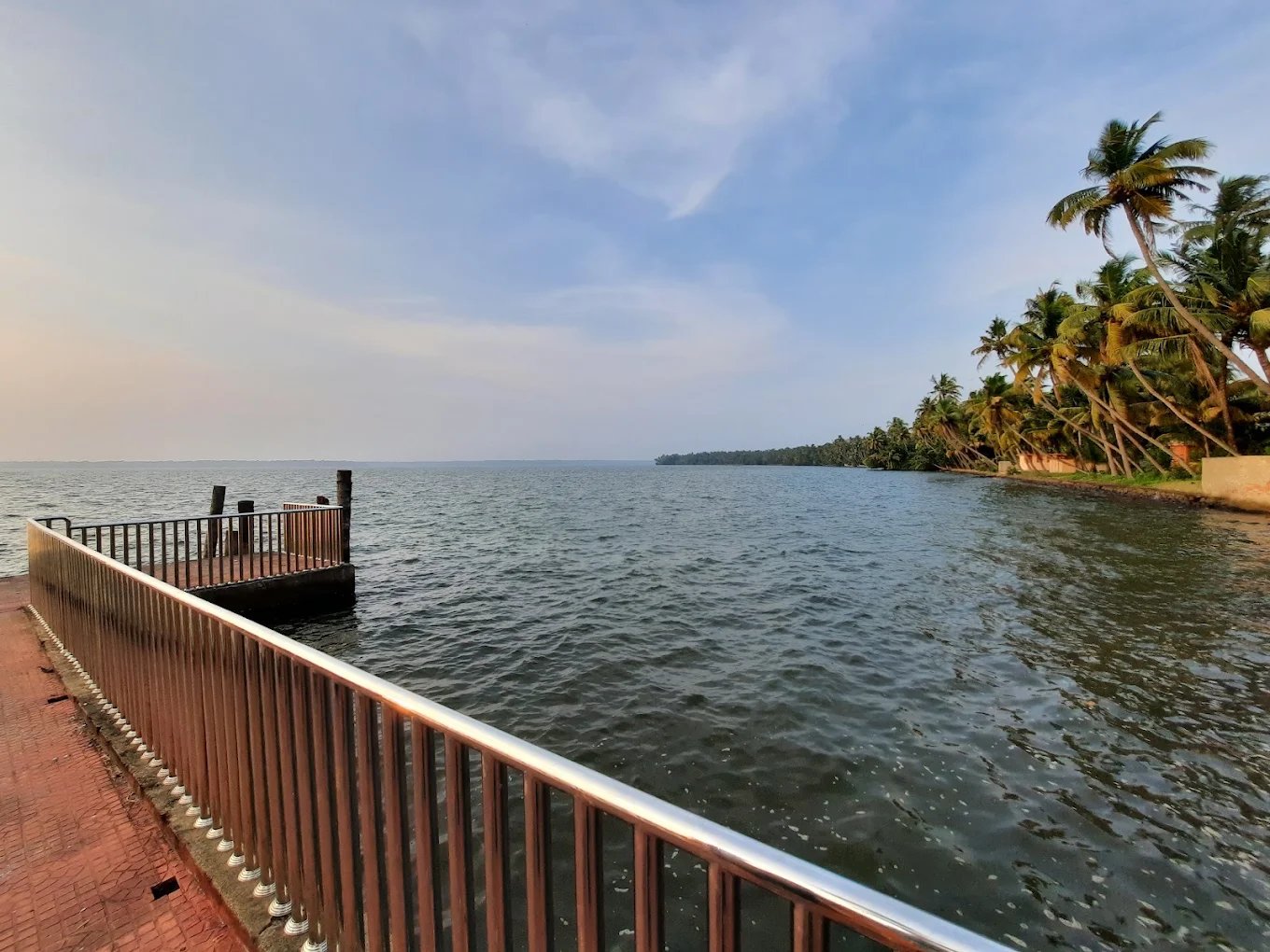
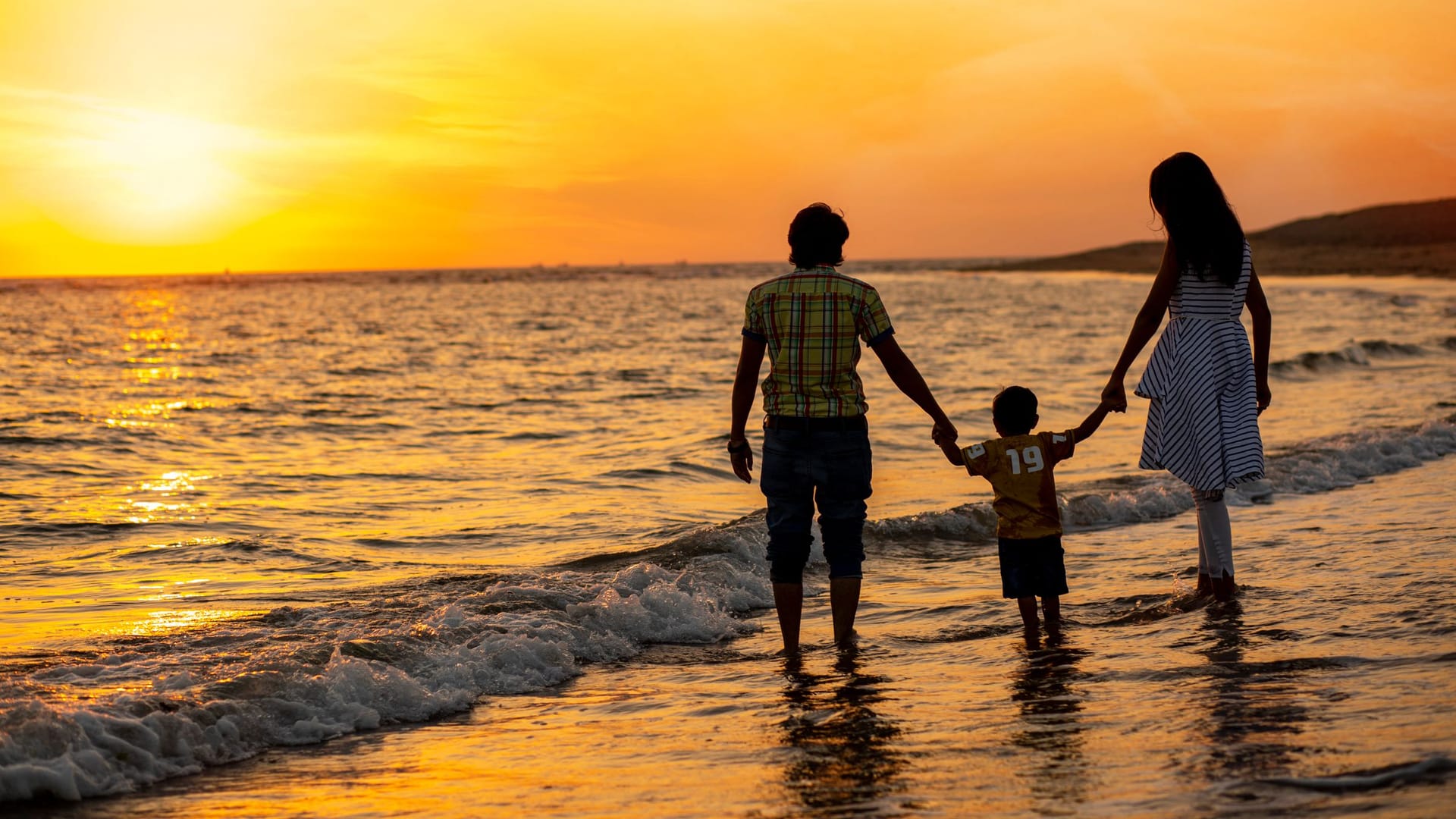
Mandvi Beach is calm and wide—ideal for an afternoon walk, local snacks and watching the sun dip into the Arabian Sea. Local stalls serve simple Kutchi fares such as snacks with chutneys, fried fish and sweets. If time permits, explore the small bazaar for local handicrafts and leatherwork.
Practical tips and local advice
Packing list
- Layered clothing for cool mornings and warm afternoons; a windproof jacket for the Rann at night.
- Good walking shoes, sunhat, sunglasses and high-SPF sunscreen.
- Reusable water bottle, basic first-aid kit and medication for dust/allergies.
- Cash for village purchases; credit cards work in Bhuj and larger hotels but not everywhere.
Where to eat
Bhuj and Mandvi have good local eateries serving Gujarati and Kutchi cuisine—try dal, rotla (millet bread), sev tameta nu shaak and local desserts. If you have a kitchen at your lodging, pick up fresh rotla or regional pickles from markets. Street food is safe at busy, popular stalls but follow basic food-safety intuition.
Safety and cultural etiquette
- Respect local customs—dress modestly when visiting villages and religious sites.
- Ask permission before photographing people or inside workspaces.
- Drink bottled or well-filtered water if unsure about local supply.
Alternative additions and extensions
If you have extra time, consider these additions: Dholavira archaeological site (requires a full day and is best planned with an early start), the Wetland Bird Sanctuary at Khadir or longer stays at Dhordo camps during Rann Utsav for cultural performances and handicraft markets.
Packing the experience into four days
This 4-day plan balances Bhuj’s museums and markets, an in-depth look at living crafts in village workshops, the otherworldly White Rann and a calm coastal finish at Mandvi. Travel in Kutch rewards slow curiosity: leave space for unplanned conversations with artisans, quiet moments on the salt, and lingering at sunset—the real highlights of any Kutch trip.
Ready your camera, some comfortable footwear and an interest in handcrafts. Kutch is vast, but this itinerary offers a strong, authentic slice of what makes the district unforgettable.
Conclusion: Four days in Kutch give you a vivid mix of landscape, culture and craft. From Bhuj’s living traditions to the luminous White Rann and coastal calm of Mandvi, you’ll return with striking images, unique handicrafts and stories of encounters with artisans who keep Kutch’s heritage alive.