3-Day Ahmedabad Itinerary for Heritage, Food and Markets
A compact 3-day Ahmedabad itinerary that blends the city's rich heritage, iconic food scene and bustling markets—perfect for first-time visitors wanting an immersive weekend.
By TravMe travel team · · 6 min read
Ahmedabad is a city that moves to the rhythm of history and hospitality. In three days you can soak in its UNESCO-listed old city, taste some of Gujarat's most famous flavours, and explore lively bazaars where textiles, handicrafts and street food sit side by side. This itinerary balances must-see landmarks with local experiences so you leave with a true feel of Ahmedabad.
Day 1: Old City Heritage and Evening Sabarmati
Morning — Start in the Old City
Begin at the heart of Ahmedabad's heritage: the pols and narrow lanes of the old city. A guided walking tour is ideal to understand the history, architecture and social fabric of these centuries-old neighbourhoods. Look for intricately carved wooden facades, colourful jharokhas and hidden stepwells tucked behind homes.
- Visit the Jama Masjid — a striking 15th-century mosque with impressive stonework. Respect local customs by dressing modestly and removing shoes where required.
- Explore the pols — traditional housing clusters; early mornings are best for photos and to witness daily life before markets get busy.
- Stepwells and havelis — if accessible, peek into historic stepwells (vavs) and restored havelis that showcase Gujarati craftsmanship.
Lunch — Old City Flavours
Head to a popular local eatery for a thali or traditional Gujarati dishes. Try a simple, wholesome thali with farsan, dal, rice, rotla or phulka, and sweets like shrikhand or mohanthal. Street-side snacks such as fafda-jalebi or khaman dhokla are also emblematic of Ahmedabad’s food culture.
Afternoon — Sarkhej Roza or Textile Museums
After lunch, choose between serene monuments or textile discovery. Sarkhej Roza, often likened to an architectural paradise, offers tranquil ponds and ornamental stonework. Alternatively, visit the Calico Museum of Textiles (advance booking required) or local textile showrooms to learn about Ahmedabad’s historic role as a textile hub.
Evening — Sabarmati Riverfront and Light Show
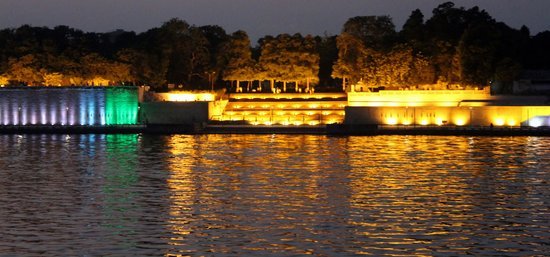
Wind down at the Sabarmati Riverfront. Stroll along the promenades, watch locals exercising, and enjoy sunset views across the water. Check for scheduled cultural performances or the light-and-sound shows nearby. This is also a good time to sample pav bhaji, bhel puri or chaat from riverfront vendors.
Day 2: Gandhi Ashram, Museums and Food Walk
Morning — Sabarmati Ashram
Begin day two with a visit to Sabarmati Ashram, Mahatma Gandhi’s residence during the independence movement. The ashram is a calm, reflective space with personal items, photographs and writings that chart Gandhi’s life and philosophies. Allocate at least 1–2 hours to absorb the exhibits and the ethos of non-violence.
Midday — Calico or City Museums
If you didn’t manage the textile museum on day one, consider it today. Otherwise, visit the Municipal Museum or local galleries that highlight Ahmedabad’s urban evolution and art scenes. These venues provide context that enriches visits to the city’s historic sites.
Afternoon — Heritage Food Walk
Ahmedabad’s culinary personality is best explored on foot. Join a curated food walk in the old city or create your own route to sample:
- Khakhra and thepla — chewy, flavourful flatbreads
- Khaman and dhokla — fermented gram cakes that are light and spongy
- Undhiyu (seasonal) — a mixed vegetable delicacy often paired with puri
- Sweet treats — jalebi, gulab jamun or the unique Gujarati shrikhand
Local vendors will often give small complimentary tastes; be open but cautious with hygiene if you have a sensitive stomach.
Evening — Manek Chowk Night Market
Manek Chowk transforms after dark into one of Ahmedabad's liveliest food markets. Tables and stalls appear offering everything from hot snacks to desserts. Try specialties like kheema pav, bhajiya, and the famous Manek Chowk kulfi.
Day 3: Markets, Modern Ahmedabad and Day Trips
Morning — Textile and Handicraft Markets
Dedicate your final morning to shopping. Ahmedabad’s markets are treasure troves for fabrics, bandhani, block-printed textiles, and embroidered garments:
- Law Garden Night Market — if you’ve missed it earlier, this market is handy for handicrafts and mirror-work items.
- Palanpur Bazaar and Dhalgarwad — smaller markets where you can haggle for traditional cloth and decor items.
- Rani no Hajiro — for jewellery and small souvenirs.
Haggling is common; start with lower offers, but keep the conversation friendly and respectful.
Midday — Modern Ahmedabad: CG Road and SG Highway
Switch gears to see Ahmedabad’s modern side. CG Road and SG Highway showcase malls, restaurants and cafés where you can enjoy a relaxed lunch. This contrast highlights how the city balances heritage with urban growth.
Afternoon — Optional Short Trips
If time permits, take one of these short excursions:
- Adalaj Stepwell — a finely carved 15th-century vav outside the city, notable for its ornate pillars and peaceful atmosphere.
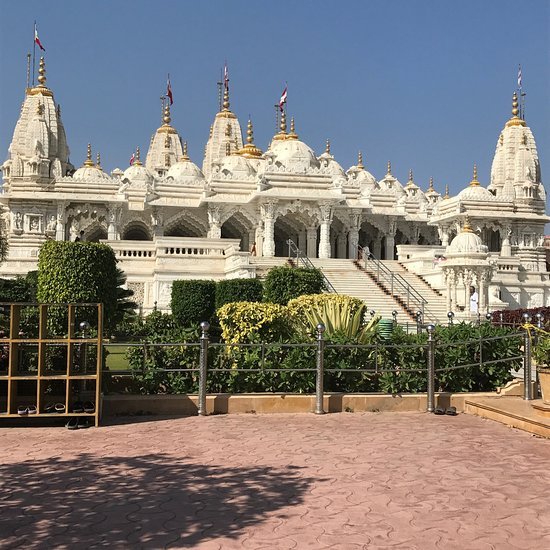
- Akshardham Temple (Gandhinagar) — a modern temple complex with expansive gardens and cultural displays.
- Local craft workshops — many small studios offer short demonstrations in block printing, weaving or silverwork.
Evening — Farewell Dinner
For a memorable last meal, choose a restaurant that serves a refined Gujarati thali or a contemporary take on local cuisine. Toast your trip with a relaxed dinner and perhaps a final walk along the riverfront.
Practical Tips and Travel Essentials
Getting Around
- Auto-rickshaws and app-based taxis are convenient for short distances. Agree fares upfront for autos or use the app’s meter feature.
- Walking is the best way to explore the old city; carry comfortable shoes and be prepared for uneven pavements.
- Public transport is affordable, but pre-planning and off-peak travel will save time.
Where to Stay
Choose accommodations depending on priorities: stay in the old city for a heritage feel, near SG Highway or CG Road for modern comforts, or by the Sabarmati Riverfront for scenic vistas. Many boutique hotels and restored haveli properties offer curated local experiences.
When to Visit
Ahmedabad’s climate is best between October and March, when temperatures are pleasant. Avoid the intense summer months unless you plan indoor-focused activities and are comfortable with heat. Navratri (September–October, dates vary) is an extraordinary time to experience local culture, but it gets crowded—book well in advance.
Health and Safety
- Stay hydrated, especially if travelling in warmer months.
- If you have dietary sensitivities, prefer packaged water and eat at hygiene-conscious places.
- Carry a basic first-aid kit and any prescription medicines—local pharmacies readily supply over-the-counter items.
Local tip: A short walking tour with a knowledgeable guide will transform a simple visit into a layered experience—stories, spices and hidden courtyards make Ahmedabad unforgettable.
Packing Checklist
- Comfortable walking shoes and light, breathable clothing
- Sun protection: hat, sunglasses and sunscreen
- Reusable water bottle and hand sanitiser
- Camera or smartphone with extra storage for photos
- Small daypack for water, snacks and purchases
Conclusion
In three days Ahmedabad offers a balanced mix of history, food and market culture. From the contemplative calm of Sabarmati Ashram to the sensory overload of Manek Chowk, and from hand-block printed textiles to delicious traditional thalis—this itinerary helps you move at a comfortable pace while uncovering the city’s many layers. Leave room for serendipity: a friendly shopkeeper, an unexpected festival or a quiet courtyard can be the moments that define your trip.