3-Day Jodhpur Itinerary Beyond Mehrangarh Fort
Discover a curated 3-day Jodhpur itinerary that goes beyond Mehrangarh Fort to explore palaces, markets, heritage walks, desert villages and local cuisine for a memorable Rajasthan escape.
By TravMe Holidays travel team · · Updated · 6 min read
Jodhpur’s Mehrangarh Fort is rightly famous, but the city’s charm extends far beyond its ramparts. This 3-day itinerary blends iconic sights, hidden alleys, food experiences and nearby excursions to give you a well-rounded taste of Jodhpur — its history, culture and everyday life.
Day 1: Old City Immersion — Blue Lanes, Markets and Monuments
Start your Jodhpur experience by stepping into the Old City, where cobalt-blue houses, narrow lanes and bustling bazaars paint an immersive Rajasthani picture.
Morning: Walk the Blue Streets and Clock Tower
Begin with a relaxed heritage walk through the famous blue-painted lanes near the Clock Tower (Ghanta Ghar). Early morning is ideal: the light softens the blue facades and the alleys are quieter, making photography and exploration more enjoyable.
- Wander without a strict plan — the charm is in wandering, peeping into courtyards and chatting with shopkeepers.
- Visit Sardar Market around the Clock Tower to see vendors selling spices, textiles, and local snacks.
Midday: Local Lunch and Toorji Ka Jhalra
Choose a local eatery for a hearty Rajasthani thali or try lighter street options like kachori and jalebi. After lunch, head to Toorji Ka Jhalra, an evocative stepwell restored to its historic charm. It’s a great spot for photographs and to appreciate the city’s water heritage.
Afternoon: Jaswant Thada and a View of Mehrangarh
Walk or take a short ride to Jaswant Thada, the white marble cenotaph built in memory of Maharaja Jaswant Singh II. Its peaceful gardens and stone latticework make for a contemplative stop, and from here you can enjoy framed views of Mehrangarh Fort across the valley.
Evening: Rooftop Sundowners and Local Performances
As the day cools, pick a rooftop café in the Old City. Rooftop terraces offer panoramic views of the fort and the city skyline at sunset. Many places have live music or traditional performances in the evening, creating a perfect first-night atmosphere.
Day 2: Heritage Depth — Palaces, Museums and Rao Jodha Park
Day two dives deeper into Jodhpur’s royal and natural heritage, combining palaces, museums and a unique urban ecological restoration project.
Morning: Umaid Bhawan Palace Complex
Spend the morning exploring the majestic Umaid Bhawan Palace complex. While a part of the palace functions as a heritage hotel, the museum section offers exhibits on the royal family, vintage cars and Jodhpur’s history. The palace grounds are expansive and give insight into 20th-century palace architecture and planning.
Midday: Local Eats and Shopping for Handicrafts
After the palace, revisit central markets for textiles, mojari (traditional footwear), bandhni scarves and brassware. Jodhpur is known for high-quality handicrafts — look for authentic block print fabrics and embroidered goods. Seek out locally-owned shops where you can see artisans at work or ask about the making process before buying.
Afternoon: Rao Jodha Desert Rock Park
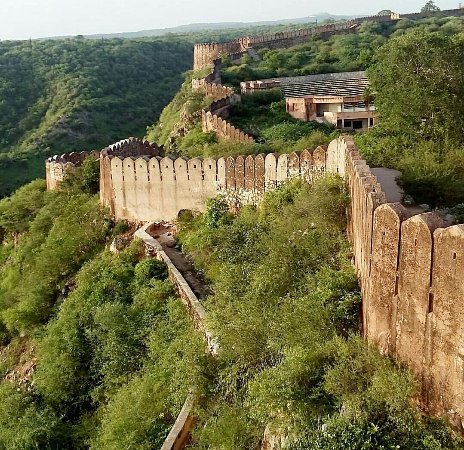
Adjacent to Mehrangarh Fort is the Rao Jodha Desert Rock Park, a distinctive ecological restoration area created on rocky wasteland. Take the walking trails to learn about native plants that thrive in Jodhpur’s arid climate. The park offers an educational contrast to the city’s built heritage and excellent viewpoints of the fort walls.
Evening: Cultural Experiences
Consider booking an evening cultural show or a guided heritage walk. Several local operators organise short performances, puppet shows and storytelling that spotlight Rajasthani folklore. These experiences are intimate and informative, especially if you want to understand local traditions beyond the tourist trail.
Day 3: Excursions and Rural Encounters — Mandore, Bishnoi or Osian
On your third day, venture beyond the city to experience surrounding landscapes and communities. Choose based on your interests: historical gardens, wildlife and craft traditions, or desert temples and camel safaris.
Option A — Mandore Gardens and Cenotaphs
Mandore, a short drive from Jodhpur, houses historic cenotaphs (chhatris), temples and beautifully landscaped gardens. The Mandore Gardens are a pleasant place for a slow morning walk. The nearby museum and memorials provide context on regional history and the Rathore dynasty.
Option B — Bishnoi Village Visit and Wildlife
A Bishnoi village visit offers a meaningful cultural exchange. The Bishnoi community is known for conservation-oriented traditions and handicrafts. Day visits often include guided village walks, demonstrations of traditional crafts, and the chance to see local birdlife and rural ecology. This is a good option for travellers interested in responsible tourism and learning from living traditions.
Option C — Osian: Temples and Desert Experience
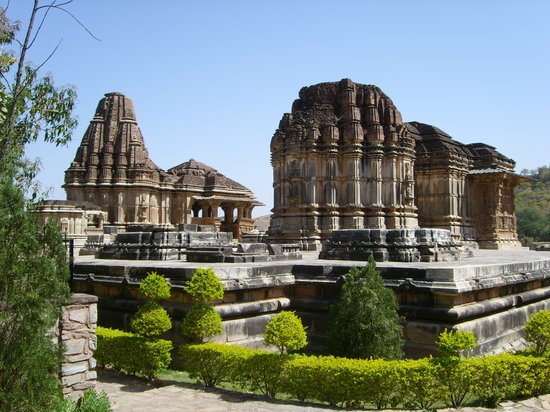
For a desert-flavoured day, head to Osian, an ancient town known for its temple complex and sand dunes. Explore intricately carved temples from centuries past and, if you like, enjoy a late-afternoon camel ride as the sun dips behind the dunes. Osian gives a strong sense of the Thar’s landscape and history.
Late Afternoon: Return and Relax
Return to Jodhpur in the late afternoon. Spend your final evening in a leisurely way: revisit a favourite rooftop, buy last-minute souvenirs from the bazaars, or enjoy a relaxed meal of Laal Maas, ker sangri and bajra rotla if you want to try classic Rajasthani fare.
Practical Tips and Logistics
Getting Around
- Auto-rickshaws and cycle-rickshaws are convenient for short trips in the Old City; always agree the fare in advance if there’s no meter.
- For excursions and farther sites, hire a car with a driver for the day or use app-based taxi services where available.
Best Time to Visit
Winters (late autumn to early spring) are the most comfortable for exploring Jodhpur. Summers are very hot; plan outdoor activities for early morning or late afternoon and stay hydrated.
Where to Stay
Choose accommodation based on the experience you want. The Old City near the Clock Tower places you within walking distance of markets and rooftop views. Palace hotels near Umaid Bhawan offer a regal ambience. There are also boutique guesthouses and heritage havelis for a more immersive stay.
Packing and Health
- Carry light, breathable clothing for the day and a light jacket for cool winter nights.
- Good walking shoes are essential for cobbled lanes, stepwells and heritage sites.
- Sun protection, a refillable water bottle and basic first-aid items will make your trip more comfortable.
Respectful Travel Tips
- When visiting temples, dress modestly and follow local customs. Remove footwear where required.
- Ask permission before photographing people, especially in villages or during private rituals.
- Support local businesses and artisans by buying directly where possible.
Tip: A guided half-day heritage walk, especially around the Old City or with a local artisan, can reveal stories and details you’ll otherwise miss.
Suggested Day-by-Day Timing (Flexible)
- Day 1: Morning — Old City walk; Midday — Toorji Ka Jhalra and market lunch; Afternoon — Jaswant Thada; Evening — Rooftop views and dinner.
- Day 2: Morning — Umaid Bhawan Museum; Midday — Shopping; Afternoon — Rao Jodha Desert Rock Park; Evening — Cultural show or heritage walk.
- Day 3: Full day — Choose Mandore, Bishnoi village or Osian excursion; Evening — Final shopping and farewell dinner.
Food and Where to Eat
Jodhpur’s food is rich and flavourful. Apart from tasting a Rajasthani thali, try local street snacks like mirchi bada, pyaaz kachori, and sweets such as mawa kachori. Rooftop restaurants often serve a mix of traditional and modern dishes, allowing you to dine with a view of the fort lit up at night.
Conclusion
Three days in Jodhpur can be both relaxing and richly informative if you balance the must-sees with quieter neighbourhood discoveries and a day beyond the city limits. Move at a comfortable pace, make time for conversations with locals, and allow the blue lanes, royal mansions and desert landscapes to shape your memories of Rajasthan’s Sun City.