3-Day Gangtok Itinerary Covering Tsomgo Lake and City Sightseeing
A practical 3-day Gangtok itinerary that combines serene Tsomgo (Changu) Lake with top city sights, transport tips, permit guidance and altitude-aware packing for a smooth Sikkim trip.
By TravMe Holidays travel team · · Updated · 7 min read
This 3-day Gangtok itinerary is designed for travellers who want to experience the high-altitude beauty of Tsomgo (Changu) Lake and the cultural, spiritual and urban highlights of Gangtok city without rushing. It balances sightseeing, acclimatisation and local experiences so you can enjoy clear views, monasteries, scenic drives and the best of Sikkimese hospitality.
Quick trip overview
Day 1: Arrival and easy city orientation — MG Marg, local markets and sunset viewpoints.
Day 2: Excursion to Tsomgo (Changu) Lake with optional short stops en route; return to Gangtok.
Day 3: Gangtok city sightseeing — monasteries, viewpoints and cultural spots before departure.
Before you go: practical essentials
Permits and documentation
Indian nationals need an Inner Line Permit (ILP) to visit Sikkim; foreign nationals require a Protected Area Permit (PAP). These can be obtained online through official portals or via your hotel/agent in Gangtok. Carry original ID and a printed or digital copy of permits during travel, as permits may be checked en route.
Health and altitude considerations
Gangtok sits at around 1,650 metres, while Tsomgo Lake is higher (around 3,780 metres). Allow time to acclimatise: arrive early morning or a day before an excursion to high altitudes if possible. Stay hydrated, avoid alcohol before high-altitude trips, and recognise mild symptoms of altitude sickness — headache, nausea, dizziness. If symptoms worsen, descend immediately and seek medical help.
Best time to visit
The ideal months are March to June and September to November. Spring brings rhododendron blooms and clear skies, while autumn gives crisp weather and good visibility. Winters are cold and can close higher roads; monsoon can make roads slippery with landslide risks.
Packing checklist
- Layered clothing: warm jacket, fleece, thermal layers;
- Comfortable walking shoes and a pair of warmer boots for higher altitudes;
- Sunscreen, sunglasses and a wide-brimmed hat (snow glare at high altitude can be strong);
- Personal medications, a basic first-aid kit and any altitude-related medication if prescribed;
- Power bank, camera, permit copies and a reusable water bottle;
- Light rainwear in case of sudden showers.
Day 1 — Arrival, easy orientation and sunset viewpoints
Morning: Arrive in Gangtok (by road from Siliguri via Rangpo or air to Bagdogra followed by a road transfer). Check into your hotel, rest and hydrate. Keep the first morning light and easy to help acclimatise.
Afternoon: Start with a gentle walk to MG Marg, Gangtok’s pedestrianised promenade. It’s ideal for a relaxing introduction to the town — cafés, handicraft shops, teashops and street food. Have a warm meal at a local restaurant and try momos or thukpa for a comforting, altitude-friendly lunch.
Late afternoon / Sunset: Head to the Ridge or Tashi Viewpoint for panoramic views of the surrounding hills and, on a clear day, distant Himalayan peaks. Another lovely, quieter spot is Hanuman Tok near Deorali, which offers sweeping vistas of Gangtok valley and is a peaceful place as the sun sets.
Evening: Return to MG Marg for dinner. Sample local Sikkimese dishes — try gundruk (fermented leafy greens) or the local cheese known as chhurpi. Rest early to prepare for the day trip to Tsomgo Lake.
Day 2 — Tsomgo (Changu) Lake day trip
Overview and travel time
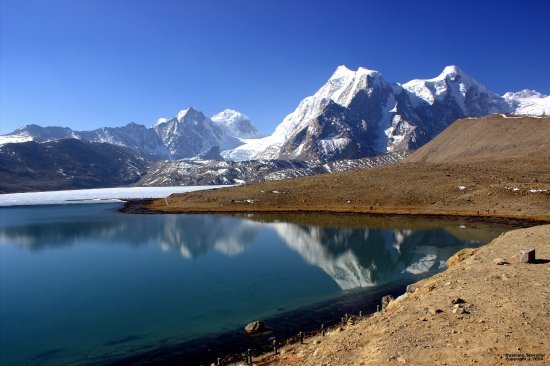
Tsomgo Lake (also called Changu Lake) is a glacial high-altitude lake east of Gangtok and is among Sikkim’s most iconic sights. The drive is scenic but involves steep and winding mountain roads. Typically a day trip starts early and returns by late afternoon.
Start early and permit checks
Depart Gangtok early (often before sunrise if you want more time at the lake). Road checks for permits and vehicle passes usually happen en route, so keep permit documents handy. Your hotel or operator will typically handle the required passes for the day trip.
En route highlights
- The route itself is scenic — terraced hills, pine forests and occasional waterfalls. Photographic stops are frequent and worthwhile.
- On the way, you can opt for a stop at the Baba Harbhajan Singh Temple, a small roadside shrine with a unique local story; it’s spiritually significant to many visitors.
At Tsomgo Lake
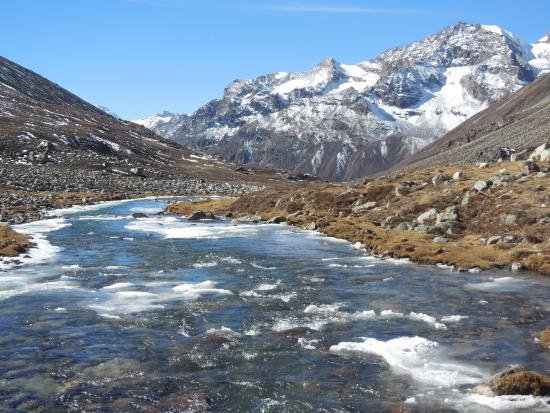
The lake’s clear, turquoise waters reflect the surrounding snow-capped mountains — a spectacular sight. Walk around the lake margin, breathe the crisp mountain air and take photos. If visiting in winter or early spring, you may see ice on parts of the lake.
Activities: Short walks around the lake and photography are the main attractions. Local vendors may offer yak rides; be mindful of animal welfare and only use reputable operators. Spend time simply absorbing the tranquillity.
Food and facilities
Basic refreshment stalls and small cafeterias may be available near the lake or on the route; options are limited, so carry snacks and warm drinks. Toilets are functional but can be basic — plan accordingly.
Return to Gangtok
Start back by mid-afternoon to avoid late mountain driving. Once back, relax at your hotel, visit a spa for a hot shower, or stroll MG Marg again for a relaxed dinner.
Day 3 — Gangtok city sightseeing & cultural experiences
Use your final day to visit the cultural and spiritual landmarks close to Gangtok, balancing time outdoors with indoor experiences depending on weather and energy levels.
Suggested morning route
- Enchey Monastery: An important Nyingma monastery with colourful murals and a serene courtyard. It’s peaceful in the morning and offers a glimpse into monastic life.
- Do Drul Chorten: This stupa complex houses many colourful prayer wheels and is surrounded by a tranquil environment; a good spot for reflection.
- Namgyal Institute of Tibetology: If you’re interested in Tibetan art, manuscripts and cultural displays, this institute is a must-visit. Allow an hour or more for the exhibits.
Afternoon options
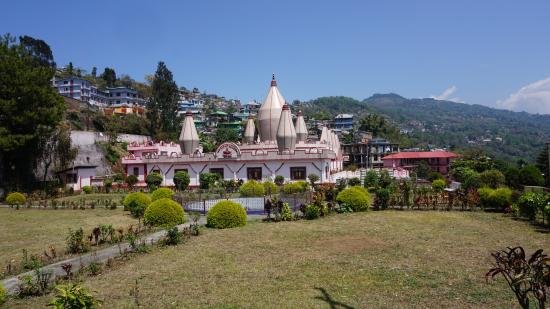
- Rumtek Monastery (Rangpo road): About 20–45 minutes by road depending on traffic, Rumtek is one of the largest and most visually impressive monasteries near Gangtok. Spend time exploring its prayer halls and gardens.
- Banjhakri Falls & Park: A good half-day option where landscaped gardens, folkloric sculptures and a pleasant walking trail make for a relaxed visit; great if you prefer natural surroundings over urban museums.
Shopping and food
Before you leave Gangtok, pick up local handicrafts — handloom shawls, prayer flags, Tibetan thangka paintings and locally produced tea. For food, try a traditional Sikkimese Thali or visit cafés around MG Marg for fusion options that blend Tibetan and Nepali influences.
Logistics: getting around, accommodation and safety
Transport within and to/from Gangtok
Gangtok is best explored by hired vehicle for flexibility, especially when visiting Tsomgo or Rumtek. Shared taxis and local buses operate on popular routes, but private cabs are recommended for comfort and scheduling. The nearest railhead is New Jalpaiguri (Siliguri) and the closest airport is Bagdogra. Road transfers from these points take several hours and are shared by many travellers.
Where to stay
Select accommodation in central areas like MG Marg, Deorali or Ridge for easy access to restaurants and viewpoints. Gangtok offers everything from budget guesthouses to mid-range hotels and higher-end resorts. For a quieter stay, choose properties slightly outside the central stretch, but ensure you have easy access to transport for day trips.
Safety tips
- Keep copies of your permit and ID with you at all times.
- Drive cautiously — mountain roads can be narrow and weather can change rapidly.
- Respect local customs at monasteries: dress modestly, remove shoes where requested, and avoid loud behaviour near prayer halls.
- Carry small amounts of cash; while cards are accepted in many places, some townside vendors are cash-only.
Tip: If you have a flexible schedule, avoid weekend crowds at Tsomgo and plan your visit on a weekday for a more tranquil experience.
Optional additions and variations
If you have a slightly different interest or extra time, consider these additions:
- Nathula Pass: A high-altitude pass on the Indo-China border that requires special permits and advance arrangements. It’s open seasonally and not always available to tourists.
- Lake Yakthang or other lesser-known lakes: For quieter, off-the-beaten-path alternatives to Tsomgo, check local guides for smaller alpine lakes and hikes.
- Homestays and village visits: Spend an extra day in nearby villages to experience local culture and food in a more immersive way.
Packing for comfort and responsible travel reminders
Respect the fragile mountain environment: avoid single-use plastics, carry waste back with you if facilities are limited, and follow local guidance when visiting sacred places. If you plan to feed or interact with animals like yaks, ensure it’s done ethically under the guidance of local handlers.
Conclusion
This 3-day Gangtok itinerary provides a balanced taste of Sikkim’s natural splendour and cultural richness — from the serene, high-altitude beauty of Tsomgo Lake to the spiritual calm of monasteries and the friendly bustle of MG Marg. With sensible acclimatisation, proper permits and comfortable transport, you’ll return with memorable mountain views, cultural insights and a relaxed sense of discovery.