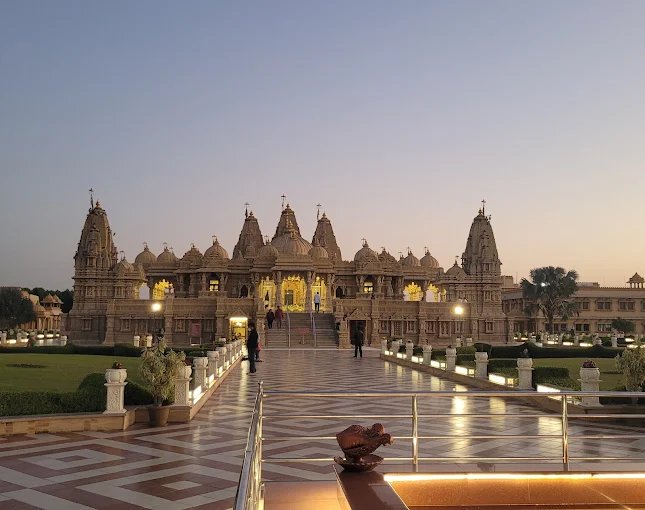
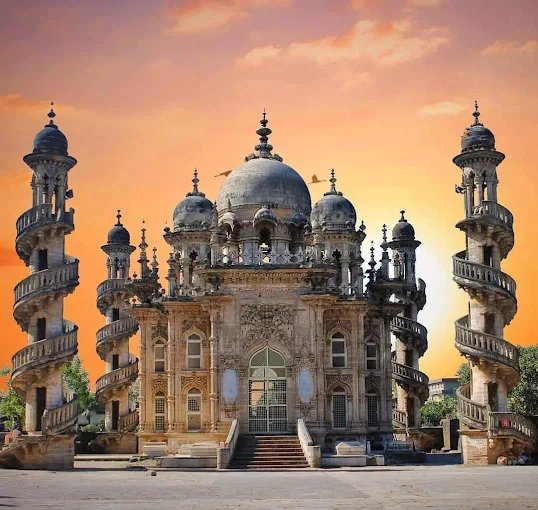
3-Day Dwarka Itinerary With Bet Dwarka and Shivrajpur Beach
A practical, day-by-day 3-day itinerary for Dwarka that covers the Dwarkadhish Temple, a boat trip to Bet Dwarka, and relaxing time at Shivrajpur Beach with tips on travel, stay, food and temple etiquette.
By TravMe Holidays travel team · · Updated · 6 min read
Dwarka blends ancient temples, coastal calm and island mystery — perfect for a short spiritual and leisure break. This 3-day itinerary helps you cover the highlights efficiently: the Dwarkadhish Temple, a boat ride to Bet Dwarka, serene evenings at Shivrajpur Beach and practical tips to make the trip smooth and respectful.
Overview: Why Dwarka, Bet Dwarka and Shivrajpur?
Dwarka is one of the Char Dham pilgrimage sites and a city filled with mythological importance and sea-breeze tranquillity. Bet Dwarka, an island off the coast, is linked to Lord Krishna’s legend and offers a charming, less crowded experience. Shivrajpur Beach, north of Dwarka, is known for its clear waters and soft sands, ideal for sunset walks and a brief seaside retreat on the same trip.
Best time to visit
The ideal months are October to March when the weather is pleasant for temple visits and beach time. Summers can be hot and humid, making midday outdoor activities uncomfortable. If you prefer festivals, plan around Janmashtami or other local celebrations, but expect larger crowds and busier accommodation.
Getting there
Dwarka is accessible by road, rail and air (via Jamnagar or Rajkot domestic airports with onward road travel). Consider these options:
- By air: Fly into Jamnagar or Rajkot and hire a taxi or take a bus; road travel from both airports takes a few hours.
- By train: Dwarka has a railway station with connections from major Gujarat cities and other Indian cities; book in advance during peak season.
- By road: Regular buses and private taxis connect Dwarka with Ahmedabad, Rajkot, Jamnagar and Porbandar. Roads are generally good and scenic along parts of the route.
Where to stay
Dwarka offers a range of accommodation from budget dharamshalas and guesthouses to mid-range hotels and a few luxury options. Choose stay close to the main temple complex or by the seafront for easy access to sunrise and evening walks.
- Near Dwarkadhish Temple: Best for early morning darshan and staying in the heart of the spiritual atmosphere.
- Seafront properties: Ideal for coastal views and proximity to Shivrajpur Beach.
- Budget travellers: Look for registered dharamshalas or guesthouses; they provide economical stays and are often close to the temple circuit.
Day 1: Arrival and Dwarkadhish Temple
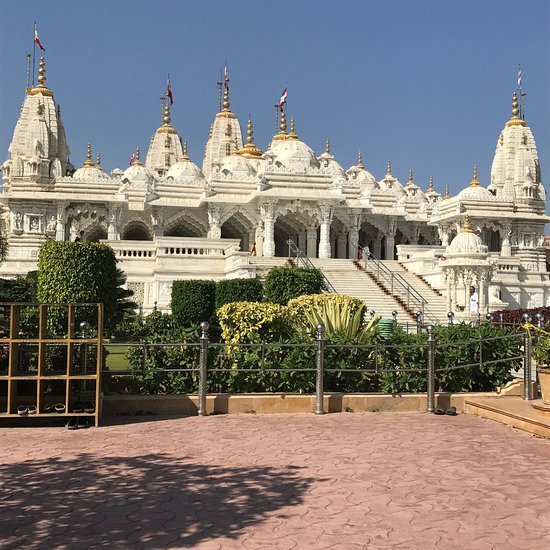
Morning: Arrive in Dwarka, check in and freshen up. Dress modestly for temple visits; carry light footwear you can remove easily. Start with the famous Dwarkadhish Temple (Jagat Mandir) — an ancient, bustling temple with continuous aartis and rituals.
Afternoon: After darshan and exploring the temple complex, visit nearby temples such as Rukmini Devi Temple and the Gupta-period Gomti Ghat. Take a slow lunch at a clean, recommended local restaurant serving vegetarian thalis and Gujarati snacks.
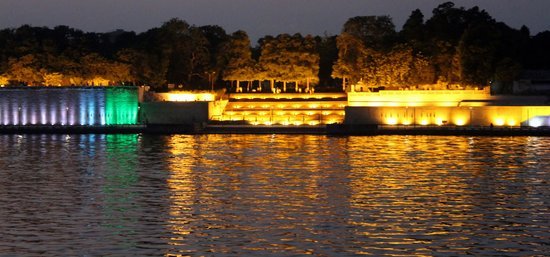
Evening: Return to the seafront for the evening aarti at Dwarka’s main ghat. The atmosphere at dusk is serene, with devotees and pilgrims gathered for the ceremony. If energy permits, stroll along the promenade and sample local sweets like peda and ladoo.
Day 2: Bet Dwarka and local sights
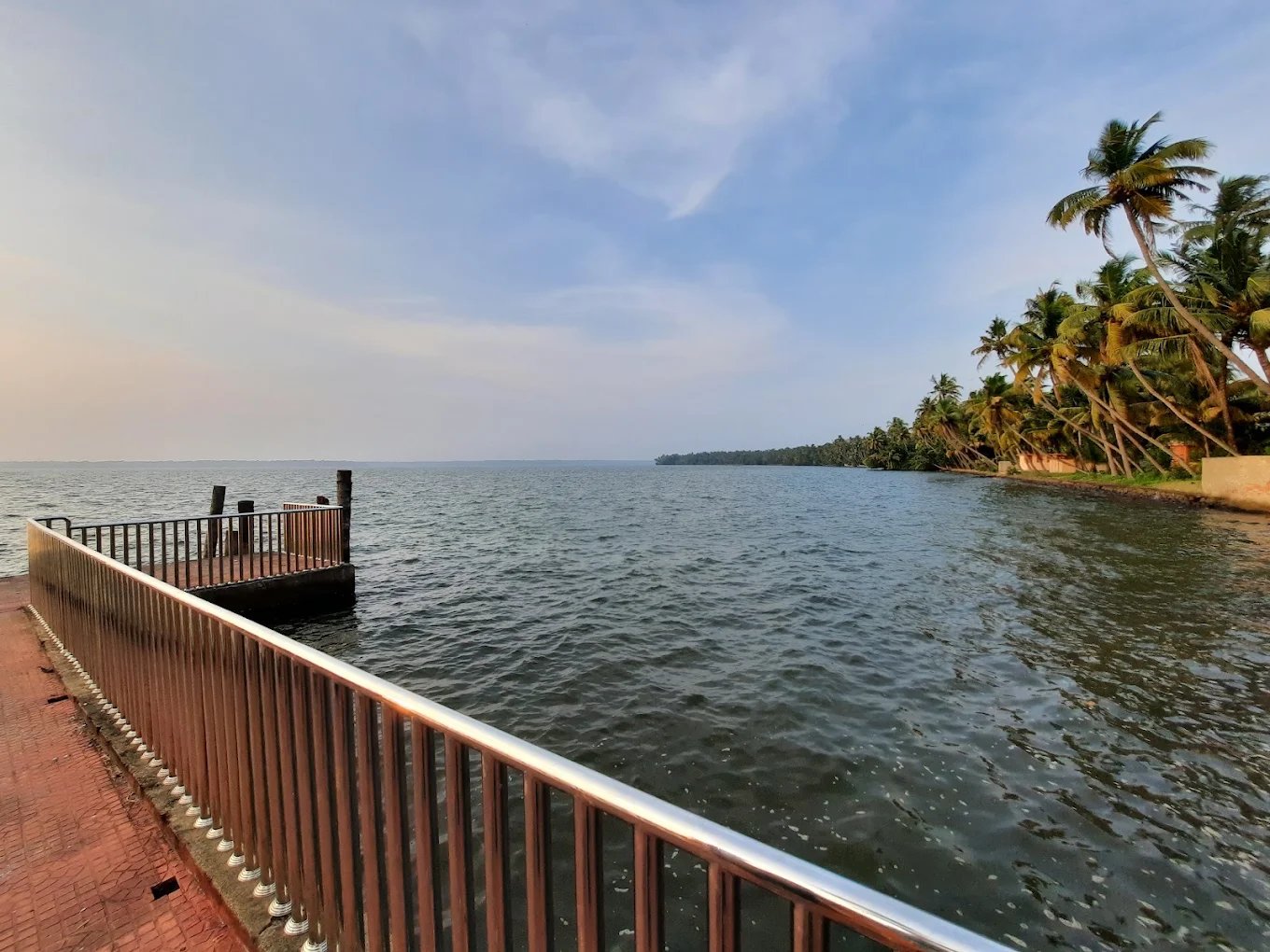
Morning: Start early for the short drive to Okha or the local jetty where boats depart to Bet Dwarka. Boat timings vary; check locally the day before. The boat ride is pleasant and offers coastal views. On arrival, explore the island’s temples, lanes and quiet sandy patches.
- Key spots on Bet Dwarka: Krishna Temple, local fishing hamlets, and small shrines scattered across the island.
- Boat tips: Carry light snacks, water, sunscreen and a hat. Keep your footwear easy to remove for temple visits. Boats return on a schedule — be mindful of the last return trip.
Afternoon: Have a simple seafood or vegetarian meal at local eateries near the jetty (confirm food options beforehand). Use the afternoon for a relaxed return to Dwarka and visit the Dwarka Lighthouse for panoramic sea views if open.
Evening: Attend any special pujas or recitations in the temple or join a local guide for a short heritage walk. Enjoy an early dinner and rest well; Day 3 is for the beach.
Day 3: Shivrajpur Beach and leisure
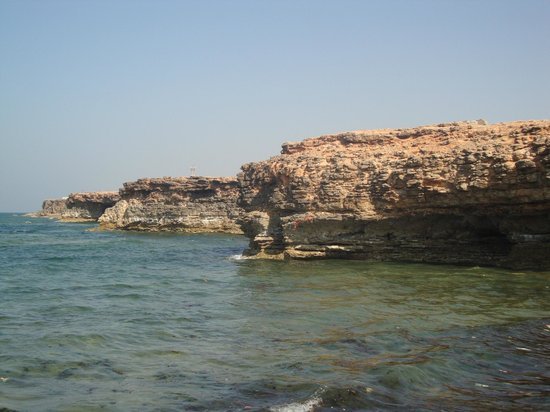
Morning: Drive north to Shivrajpur Beach, roughly a short distance from central Dwarka. Start early to enjoy the calm hours and the best light for photographs. The beach is known for clear water and clean sands — perfect for a relaxed swim where permitted or for a long walk.
- Activities: Swimming (where authorised), sunbathing, beach photography, and watching local fishermen at work.
- Safety: Pay attention to lifeguard signs and local advice before entering the water. Currents can be unpredictable in parts.
Afternoon: Return to Dwarka town for a leisurely lunch. If time allows, visit the Sudama Setu (if accessible) and the Dwarka Marine Sanctuary viewpoint for a final coastal glimpse.
Evening: Wrap up with a final darshan or a quiet walk along the shoreline. Pick up souvenirs such as religious books, handcrafted items or local snacks from authorised shops. Prepare for your onward journey.
Practical tips and local etiquette
- Temple etiquette: Dress modestly; remove footwear and cover heads when required. Photography inside many temples is restricted — follow signs and instructions.
- Boat bookings: Get boat tickets early in the day for Bet Dwarka, and confirm return timings. During festivals, expect queues and crowded boats.
- Cash and cards: Carry some cash for small purchases and local eateries; many places accept cards but smaller vendors may not.
- Local transport: Auto-rickshaws, taxis and shared tempos operate in town. Pre-negotiate fares for longer trips if meter isn’t used.
- Respect local customs: Avoid loud behaviour in temple precincts, ask permission before photographing people, and support local vendors fairly.
Packing checklist
- Comfortable, modest clothing for temple visits and light beachwear for Shivrajpur
- Sun protection: sunscreen, sunglasses, hat
- Comfortable sandals and a pair of shoes for walking
- Water bottle, basic medicines, hand sanitiser and travel tissues
- Copies of ID and hotel booking confirmations
Health and safety
Stay hydrated in Gujarat’s climate, especially if you are walking between sites. Stick to bottled water and freshly cooked food. If you have mobility concerns, check with your accommodation and temple authorities about accessibility — some ancient temple areas involve steps and uneven surfaces.
Pro tip: Start your darshan early in the morning to avoid the biggest crowds and enjoy a quieter, more reflective experience.
Alternative activities and extensions
If you have additional time, consider a short trip to Porbandar to visit Kirti Mandir or include a wildlife excursion to nearby birding spots depending on the season. For those interested in local culture, spend an evening sampling Gujarati thali and listening to folk music if available.
With this 3-day plan, you can embrace the spiritual rhythm of Dwarka, explore the tranquil island of Bet Dwarka and unwind on the golden sands of Shivrajpur Beach — all while keeping the experience relaxed and respectful to local traditions.
Safe travels and prabhu kripa!